
Dealing with baby poop stains on clothing is an inevitable part of parenthood that every caregiver faces multiple times daily. These stubborn stains require immediate attention and proper cleaning techniques to prevent permanent damage to delicate baby fabrics. Natural cleaning methods offer safe, effective solutions that protect both your baby’s sensitive skin and the environment. Pro Baby Guide provides comprehensive resources for new parents navigating these common childcare challenges with confidence and practical knowledge.
Baby clothes experience frequent soiling from diaper blowouts, feeding mishaps, and general infant messiness. Traditional harsh chemicals can irritate sensitive baby skin and leave residues on clothing. Therefore, natural cleaning solutions provide safer alternatives that effectively remove stains while maintaining fabric integrity and baby safety.
Understanding the difference between a normal wet diaper and more serious situations helps parents respond appropriately to various messes. When dealing with a soiled diaper situation, quick action prevents stains from setting permanently into fabric fibers. Additionally, proper cleaning techniques ensure clothes remain soft, comfortable, and safe for your baby’s delicate skin.
Understanding Baby Poop Stains and Fabric Types
Types of Baby Stains
Breastfed baby poop creates different staining challenges compared to formula-fed baby waste. Breastfed baby stains typically appear yellow and seedy, while formula-fed baby stains tend to be thicker and more difficult to remove. However, both types require prompt attention to prevent permanent staining.
Newborn meconium stains present the most challenging removal situation. This dark, tar-like substance bonds strongly with fabric fibers and requires specialized treatment approaches. Additionally, introducing solid foods creates new staining challenges with varying colors and textures.
The age of the stain significantly impacts removal success rates. Fresh stains respond much better to natural cleaning methods than set-in stains that have had time to bond with fabric fibers. Therefore, immediate treatment provides the best outcomes for stain removal efforts.
Fabric Considerations
Different fabric types require customized cleaning approaches for optimal results. Cotton fabrics generally respond well to natural cleaning methods and can withstand more aggressive treatment. Synthetic blends may require gentler approaches to prevent fabric damage.
Delicate fabrics like silk, wool, or special baby garments need extra care during cleaning processes. These materials can be damaged by harsh scrubbing or inappropriate cleaning solutions. However, natural cleaning methods typically provide safer alternatives for delicate fabric care.
Pre-treating stains immediately after they occur significantly improves removal success regardless of fabric type. Cold water rinsing helps prevent proteins in baby waste from setting into fabric fibers. Additionally, avoiding hot water during initial treatment prevents stains from becoming permanently embedded.
Essential Natural Cleaning Ingredients
Baking Soda: The Universal Stain Fighter
Baking soda serves as one of the most effective natural stain removers for baby clothes. Its alkaline properties help break down organic compounds while neutralizing odors naturally. Additionally, baking soda is completely safe for baby skin contact and environmentally friendly.
Create a paste using baking soda and water for treating fresh stains. Apply the paste directly to affected areas and allow it to sit for 15-30 minutes before washing. Therefore, the baking soda has time to penetrate fabric fibers and break down stain compounds effectively.
For set-in stains, create a stronger solution using equal parts baking soda and hydrogen peroxide. This combination provides enhanced stain-fighting power while remaining safe for baby clothes. However, test this mixture on inconspicuous areas first to ensure fabric compatibility.
White Vinegar: Natural Acid Power
White vinegar provides natural acidic properties that effectively break down alkaline stains and neutralize odors. Its antibacterial properties also help sanitize baby clothes during the cleaning process. Additionally, vinegar helps restore fabric pH balance and maintains softness.
Mix equal parts white vinegar and water for a gentle pre-treatment solution. Soak stained areas for 30 minutes before regular washing to allow the acid to work on stain compounds. Therefore, this pre-treatment enhances your regular washing routine’s effectiveness.
Vinegar also serves as an excellent fabric softener alternative when added to rinse cycles. Use one cup of white vinegar in place of commercial fabric softeners to maintain clothing softness naturally. However, avoid mixing vinegar with bleach products as this creates dangerous chemical reactions.
Lemon Juice: Natural Bleaching Agent
Fresh lemon juice provides natural bleaching properties that help lighten stubborn stains without harsh chemicals. The citric acid in lemons breaks down organic compounds while adding fresh scent to baby clothes. Additionally, lemon juice is completely safe and natural for baby garment care.
Apply fresh lemon juice directly to stains and allow sunlight exposure for natural bleaching action. The combination of citric acid and UV rays creates powerful stain removal effects. Therefore, this method works particularly well for outdoor drying situations.
Create a powerful natural bleaching solution by mixing lemon juice with salt for abrasive action. This combination helps lift stains from fabric fibers while maintaining fabric integrity. However, rinse thoroughly after treatment to prevent residue buildup on baby clothes.
Step-by-Step Natural Cleaning Process
Immediate Response Actions
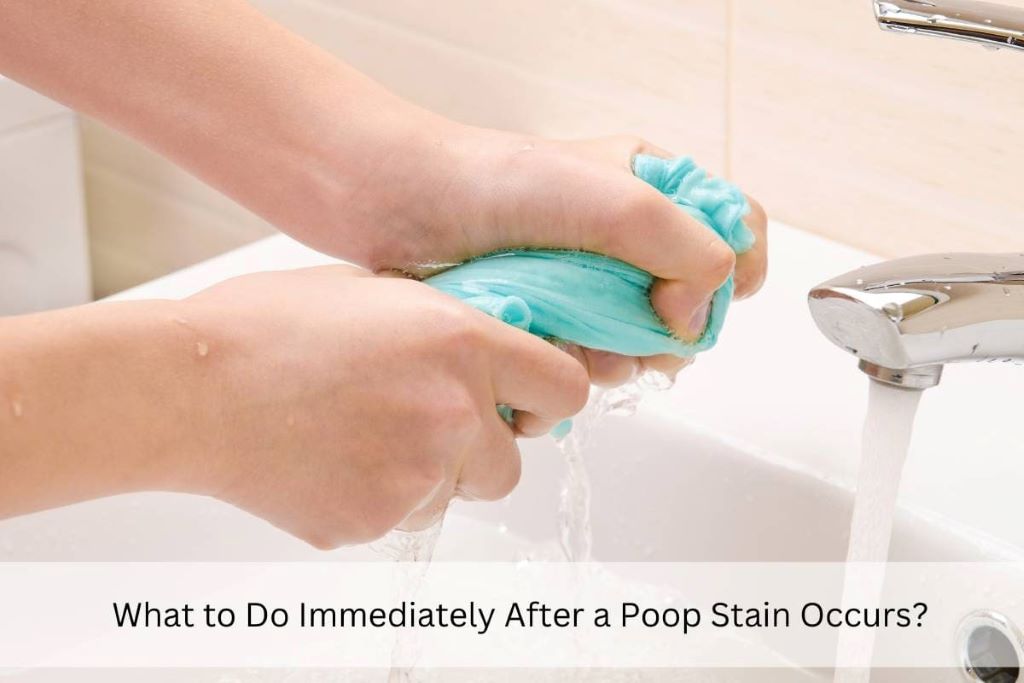
Remove excess waste material immediately using a clean cloth or disposable wipe. Avoid rubbing the stain, which can push waste deeper into fabric fibers. Instead, gently scrape or blot away surface material. Additionally, cold water rinsing helps prevent proteins from setting into fabric.
Rinse the stained area under cold running water from the back side of the fabric. This technique helps push waste material out of fabric fibers rather than deeper into the weave. Therefore, back-side rinsing provides more effective initial cleaning results.
Pre-treat the stain immediately with your chosen natural cleaning solution. Apply the treatment generously and allow adequate contact time for the cleaning agents to work effectively. However, avoid letting natural treatments sit too long, as some ingredients can cause fabric discoloration.
Deep Cleaning Treatment
Create a soaking solution using warm water and your chosen natural cleaning ingredients. Submerge the entire garment to ensure even treatment and prevent water marks. Additionally, soaking allows cleaning agents more time to penetrate fabric fibers and break down stain compounds.
Gently agitate the fabric during soaking to help loosen stubborn stain particles. Use your hands to work the cleaning solution through fabric fibers without aggressive scrubbing that could damage delicate baby clothes. Therefore, gentle agitation provides effective cleaning without fabric stress.
After soaking, inspect the stain area to determine if additional treatment is necessary. Repeat the pre-treatment process if stains remain visible before proceeding to regular washing. However, avoid over-treating, which can weaken fabric fibers over time.
Final Washing and Drying
Wash treated garments using your regular baby-safe detergent and appropriate water temperature for the fabric type. Add one cup of white vinegar to the rinse cycle for additional odor elimination and fabric softening. Additionally, ensure complete rinsing to remove all cleaning residues.
Check stained areas before placing clothes in the dryer, as heat can set remaining stains permanently. If stains persist, repeat the natural treatment process before drying. Therefore, air drying provides a safer option when stain removal is uncertain.
Utilize sunlight for natural bleaching and disinfection when possible. Hang clothes in direct sunlight for optimal stain fading and odor elimination. However, limit sun exposure for dark or colored fabrics to prevent unwanted fading.
Advanced Natural Stain Removal Techniques
Enzyme-Rich Natural Solutions
Create enzyme-rich cleaning solutions using natural ingredients that break down protein-based stains effectively. Meat tenderizer contains natural enzymes that digest protein stains when mixed with cold water. Additionally, this method provides powerful stain removal without harsh chemicals.
Mix unseasoned meat tenderizer with cold water to create a paste for stain treatment. Apply directly to affected areas and allow 30 minutes of contact time before washing normally. Therefore, the enzymes have adequate time to break down protein compounds in baby waste.
Pineapple juice contains natural enzymes that effectively break down organic stains while adding pleasant fragrance. Apply fresh pineapple juice directly to stains and allow 20 minutes of contact time. However, rinse thoroughly to prevent sugar residues that could attract dirt.
Combination Treatment Methods
Combine multiple natural ingredients for enhanced stain-fighting power when dealing with particularly stubborn stains. Mix baking soda, vinegar, and lemon juice for a powerful natural cleaning solution. Additionally, this combination addresses different aspects of stain removal simultaneously.
Layer treatments by applying baking soda paste first, followed by vinegar spray, then lemon juice for comprehensive stain attack. Allow each layer adequate time to work before applying the next treatment. Therefore, multiple natural agents work together for maximum effectiveness.
Create a natural oxygen bleach substitute using hydrogen peroxide and baking soda for whitening power. This combination provides bleaching action without harsh chlorine bleach chemicals. However, test on fabric samples first to ensure colorfastness.
Prevention Strategies and Best Practices
Diaper Management Techniques
Proper diaper sizing significantly reduces the likelihood of blowout incidents that create clothing stains. Diapers that are too small or too large fail to contain waste effectively. Additionally, checking diaper fit regularly ensures optimal containment as babies grow rapidly.
Change diapers promptly when they become soiled to prevent overflow situations. Delayed diaper changes increase the risk of waste leakage and subsequent clothing stains. Therefore, frequent diaper checks help maintain cleanliness and prevent staining incidents.
Consider using diaper covers or additional absorbent layers during sleep periods when blowouts are most likely to occur. These protective measures provide extra containment without compromising comfort. However, ensure proper ventilation to prevent diaper rash development.
Clothing Selection and Care
Choose baby clothes with appropriate fits that don’t create pressure points around diaper edges. Tight clothing can cause diaper compression that leads to leakage and staining. Additionally, properly fitted clothing allows better diaper function and containment.
Select darker colored or patterned baby clothes that camouflage minor stains better than light solid colors. This practical approach reduces the visible impact of inevitable staining incidents. However, maintain variety in baby’s wardrobe for different occasions and preferences.
Treat all baby clothes with natural stain-resistant treatments before first wear. Pre-treating fabrics with natural protective coatings helps repel stains and makes cleaning easier. Therefore, prevention efforts reduce overall stain removal workload significantly.
According to the American Academy of Pediatrics, proper diaper changing techniques and immediate stain treatment are essential skills for new parents to master for maintaining infant hygiene and comfort.
Troubleshooting Common Cleaning Challenges
Set-in Stain Solutions
Old, set-in stains require more aggressive natural treatment approaches to achieve removal success. Create a stronger soaking solution using hot water and increased concentrations of natural cleaning agents. Additionally, longer soaking times allow more thorough penetration of cleaning solutions.
Repeat treatment cycles may be necessary for completely removing stubborn set-in stains. Apply natural treatments, wash normally, then repeat the process if stains persist. Therefore, patience and persistence often succeed where single treatments fail.
Consider professional cleaning services for valuable or delicate baby garments with stubborn stains. Natural dry cleaning services can provide specialized treatment without harmful chemicals. However, most baby clothes are replaceable and may not justify professional cleaning costs.
Odor Elimination Strategies
Persistent odors may remain even after successful stain removal, requiring additional natural deodorizing treatments. Baking soda provides excellent odor absorption when sprinkled on affected areas overnight. Additionally, fresh air and sunlight help eliminate remaining odor compounds naturally.
Create natural deodorizing sachets using baking soda and essential oils for ongoing odor control in baby clothing storage areas. These sachets absorb moisture and odors while adding pleasant natural fragrances. Therefore, proactive odor control prevents problems before they develop.
Vinegar rinses effectively neutralize ammonia odors from baby waste that may linger in fabric fibers. Add white vinegar to final rinse cycles for enhanced odor elimination without fabric damage. However, ensure complete rinsing to prevent vinegar scent from remaining in clothes.
Environmental and Health Benefits
Chemical-Free Baby Care
Natural cleaning methods eliminate exposure to harsh chemicals that could irritate sensitive baby skin or cause allergic reactions. Commercial stain removers often contain fragrances, dyes, and preservatives that serve no cleaning purpose. Additionally, natural ingredients provide effective cleaning without unnecessary additives.
Reducing chemical exposure benefits entire household air quality and environmental health. Chemical cleaning products release volatile organic compounds that can affect respiratory health. Therefore, natural cleaning methods contribute to healthier indoor environments for growing families.
The Environmental Protection Agency emphasizes the importance of reducing chemical exposure in homes with young children, as their developing systems are more susceptible to environmental toxins.
Natural cleaning ingredients are typically more economical than specialized commercial products. Baking soda, vinegar, and lemon juice cost significantly less than branded stain removers. Additionally, these multipurpose ingredients serve various household cleaning needs beyond baby clothes.
Sustainable Practices
Natural cleaning methods support environmental sustainability by reducing packaging waste and chemical pollution. Commercial cleaning products require extensive packaging and contribute to landfill waste. Therefore, natural ingredients with minimal packaging provide more sustainable cleaning solutions.
Teaching children about natural cleaning methods instills environmental awareness and practical life skills from an early age. Children can safely participate in natural cleaning processes without chemical exposure risks. Additionally, this involvement teaches responsibility and care for belongings.
Homemade natural cleaning solutions reduce dependency on commercial products and their associated transportation environmental costs. Local sourcing of natural ingredients further reduces environmental impact. However, ensure proper storage and labeling of homemade solutions for safety.
Conclusion
Natural cleaning methods provide safe, effective solutions for removing baby poop stains while protecting sensitive skin and environmental health. Key techniques include immediate response with cold water rinsing, natural ingredient treatments using baking soda, vinegar, and lemon juice, and proper washing procedures that prevent stain setting. Additionally, prevention strategies and proper diaper management significantly reduce staining incidents.
The combination of immediate treatment, appropriate natural cleaning agents, and persistence typically achieves excellent stain removal results without harsh chemicals. Understanding fabric types and customizing treatment approaches ensures optimal outcomes for different garment materials. Therefore, natural cleaning methods provide comprehensive solutions for maintaining baby clothing cleanliness and safety.
Success with natural stain removal requires patience, proper technique, and willingness to repeat treatments when necessary. The environmental and health benefits of avoiding chemical cleaners make natural methods worthwhile investments in family well-being and sustainability practices.
Frequently Asked Questions
What natural ingredients work best for removing baby poop stains? Baking soda, white vinegar, and lemon juice are the most effective natural stain removers. Additionally, hydrogen peroxide and enzyme-containing ingredients like meat tenderizer provide powerful stain-fighting properties without harsh chemicals.
How quickly should I treat baby poop stains for best results? Treat stains immediately for optimal removal success. Fresh stains respond much better to natural cleaning methods than stains that have set for several hours. Therefore, immediate cold water rinsing and natural pre-treatment provide the best outcomes.
Can natural cleaning methods damage baby clothes? Natural ingredients are generally gentler on fabrics than chemical cleaners. However, test treatments on inconspicuous areas first, especially for delicate fabrics. Additionally, avoid over-treating, which can weaken fabric fibers over time.
Are natural cleaning methods safe for newborn clothes? Yes, natural cleaning ingredients like baking soda, vinegar, and lemon juice are completely safe for newborn clothing. These ingredients don’t leave harmful residues and are gentler on sensitive baby skin than chemical alternatives.
What should I do if natural methods don’t remove the stain completely? Repeat natural treatments multiple times before considering the stain permanent. Try combination treatments using multiple natural ingredients together. However, some very old or set-in stains may require professional cleaning or garment replacement.
Read More: