

Owning a motorhome opens the door to unforgettable adventures, but keeping it in top shape requires regular care. The engine is the heart of your vehicle, and neglecting it can lead to costly repairs or breakdowns far from home. At Local Motorhomes, we understand the importance of proper maintenance to ensure your motorhome runs smoothly for years. This guide shares essential tips for servicing your motorhome engine, helping you extend its lifespan and enjoy worry-free travels.
Why Regular Engine Maintenance Matters
A motorhome’s engine works harder than a standard car’s due to the vehicle’s size and weight. Regular maintenance prevents wear and tear, improves fuel efficiency, and ensures safety on the road. By prioritizing servicing your motorhome engine, you avoid unexpected issues and maintain the vehicle’s resale value. Additionally, a well-maintained engine reduces emissions, contributing to a greener environment.
Neglecting maintenance can lead to problems like overheating, oil sludge, or worn-out components. These issues not only disrupt your trips but also lead to expensive repairs. Therefore, staying proactive with engine care is a smart investment for any motorhome owner.
Key Maintenance Tasks for Your Motorhome Engine
To keep your motorhome engine in peak condition, focus on these essential maintenance tasks. Each step plays a critical role in ensuring longevity and performance.
Check and Change the Oil Regularly
Oil lubricates the engine’s moving parts, reducing friction and preventing overheating. Over time, oil breaks down and becomes less effective. Check your oil levels monthly using the dipstick, ensuring the level is within the recommended range. If the oil appears dark or gritty, it’s time for a change.
Most motorhome manufacturers recommend changing the oil every 3,000 to 5,000 miles or every six months, depending on usage. Always use the oil type specified in your owner’s manual. For diesel engines, commonly found in motorhomes, high-quality synthetic oils often perform best. Regular oil changes keep your engine clean and efficient, extending its lifespan.
Inspect and Replace Air Filters
The air filter prevents dirt, dust, and debris from entering the engine. A clogged filter restricts airflow, forcing the engine to work harder and reducing fuel efficiency. Inspect the air filter every 12,000 miles or annually, and replace it if it’s dirty or damaged.
To check the filter, remove it from its housing and hold it up to a light. If light barely passes through, replace it. A clean air filter improves engine performance and fuel economy, making it a simple yet vital part of servicing your motorhome engine.
Monitor Coolant Levels
The cooling system prevents your engine from overheating, especially during long drives or in hot weather. Low coolant levels can cause serious damage, so check the reservoir regularly, ideally before each trip. Ensure the coolant is at the recommended level and top it up with the correct type specified by your manufacturer.
Additionally, flush and replace the coolant every two years or as recommended. Old coolant loses its ability to regulate temperature, leading to corrosion or engine damage. Keeping the cooling system in check is essential for engine longevity.
Inspect Belts and Hoses
Belts and hoses connect critical engine components, such as the alternator, water pump, and cooling system. Over time, they can crack, fray, or become loose. Inspect them every six months for signs of wear, such as cracks, brittleness, or leaks.
Replace any damaged belts or hoses immediately to avoid breakdowns. Tighten loose belts to the manufacturer’s specifications. Regular checks ensure these components function properly, preventing costly engine repairs.
Maintain the Battery
A healthy battery is crucial for starting your motorhome and powering its systems. Check the battery terminals for corrosion and clean them with a wire brush if needed. Ensure the battery is securely mounted to avoid vibrations that can damage it.
Test the battery’s charge every few months, especially before long trips. Most motorhome batteries last three to five years, so replace them as needed. A reliable battery keeps your engine starting smoothly and supports other electrical components.
Schedule Professional Tune-Ups
While DIY maintenance is valuable, professional tune-ups provide a deeper inspection. Mechanics can check spark plugs, fuel injectors, and other components that are harder to access. Schedule a tune-up every 30,000 miles or as recommended by your manufacturer.
During a tune-up, technicians may adjust the engine’s timing, clean fuel systems, or replace worn parts. These services optimize performance and catch issues early, saving you money in the long run.
Tips for Extending Engine Life Beyond Basic Maintenance
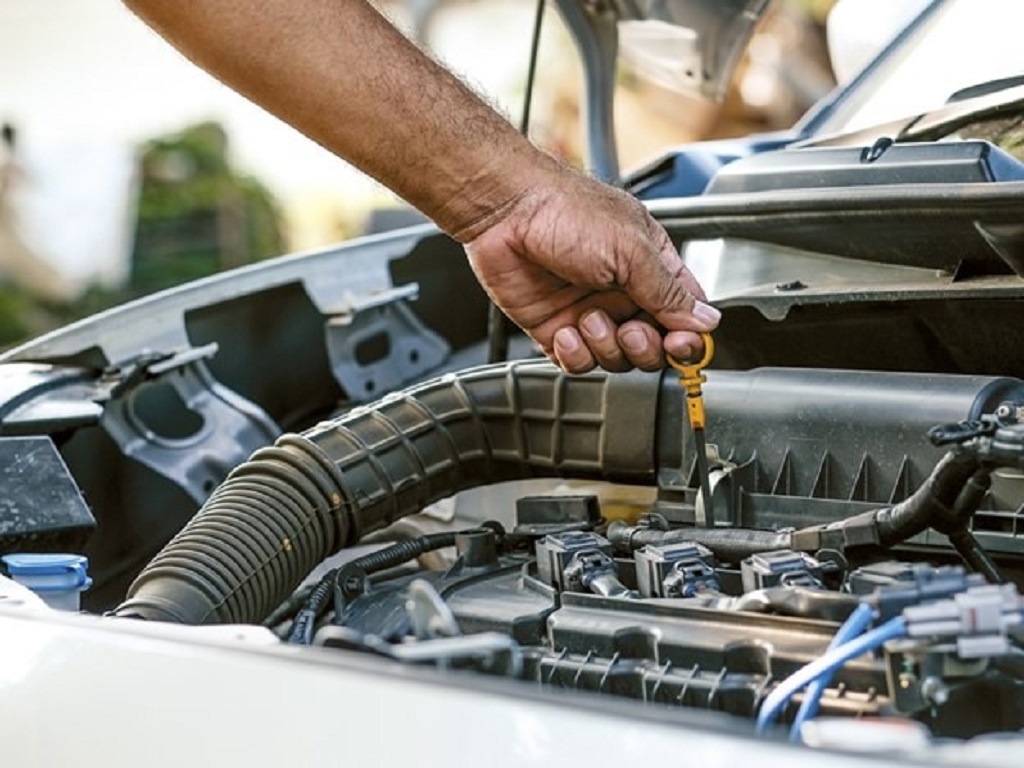
In addition to routine tasks, adopting good habits can further protect your motorhome engine. These practices complement regular servicing and enhance durability.
Drive Consistently but Gently
Motorhomes often sit unused for long periods, which can harm the engine. Start the engine every few weeks and take it for a short drive to keep fluids circulating and components lubricated. However, avoid aggressive driving, such as rapid acceleration or heavy towing beyond your vehicle’s capacity. Gentle driving reduces stress on the engine and promotes longevity.
Use High-Quality Fuel
Poor-quality fuel can leave deposits in the engine, reducing efficiency and causing damage. Always use fuel that meets your manufacturer’s specifications, typically found in the owner’s manual. For diesel motorhomes, consider using fuel additives to improve combustion and reduce carbon buildup. High-quality fuel keeps your engine running cleanly and efficiently.
Keep an Eye on Warning Lights
Modern motorhomes have dashboard warning lights that signal engine issues. If a light appears, address it immediately. Ignoring warnings, such as the check engine light, can lead to serious damage. Use an OBD-II scanner to diagnose the issue or visit a mechanic for a professional assessment. Acting quickly prevents minor problems from becoming major ones.
Store Your Motorhome Properly
When not in use, store your motorhome in a dry, covered area to protect the engine from moisture and extreme temperatures. Use a fuel stabilizer if the vehicle will sit for more than a month to prevent fuel degradation. Proper storage reduces wear on engine components and ensures it’s ready for your next trip.
Common Mistakes to Avoid When Servicing Your Motorhome Engine
Even well-meaning owners can make mistakes that harm their engine. Avoid these pitfalls to keep your motorhome in top shape.
- Skipping maintenance schedules: Delaying oil changes or filter replacements can cause sludge buildup or reduced performance.
- Using incorrect fluids: Always use the oil, coolant, and fuel specified by your manufacturer to avoid damage.
- Ignoring small issues: Strange noises, leaks, or reduced power are early warning signs. Address them promptly to prevent bigger problems.
- Overloading the vehicle: Exceeding your motorhome’s weight limit strains the engine, leading to premature wear.
By staying vigilant and following a consistent maintenance routine, you can avoid these mistakes and keep your engine running smoothly.
Read More Also: Why Do Bluetooth Devices Stop Syncing After iOS Updates?
Conclusion
Servicing your motorhome engine is the key to ensuring long-lasting performance and trouble-free adventures. Regular tasks like oil changes, air filter replacements, and coolant checks, combined with good driving habits and professional tune-ups, protect your engine from wear and tear. By avoiding common mistakes and using high-quality fluids, you enhance efficiency and extend the engine’s lifespan. With these tips, you can hit the road with confidence, knowing your motorhome is ready for the journey ahead.
Read More Also: Are There Gift Cards for Home Repair or Handyman Services
Frequently Asked Questions
How often should I service my motorhome engine?
Most manufacturers recommend servicing your motorhome engine every 3,000 to 5,000 miles or every six months, depending on usage. Check your owner’s manual for specific guidelines.
Can I service my motorhome engine myself?
Yes, tasks like checking oil, inspecting air filters, and monitoring coolant levels can be done at home. However, professional tune-ups are recommended for complex components.
What happens if I skip engine maintenance?
Skipping maintenance can lead to issues like overheating, reduced fuel efficiency, or engine damage, resulting in costly repairs and potential breakdowns.
How do I know if my motorhome engine needs professional attention?
Warning lights, unusual noises, reduced power, or leaks are signs your engine needs a professional inspection. Address these issues promptly to avoid further damage.
Are diesel motorhome engines different to maintain?
Diesel engines require specific oils and fuel additives, and their maintenance schedules may differ. Always follow the manufacturer’s recommendations for diesel motorhomes.