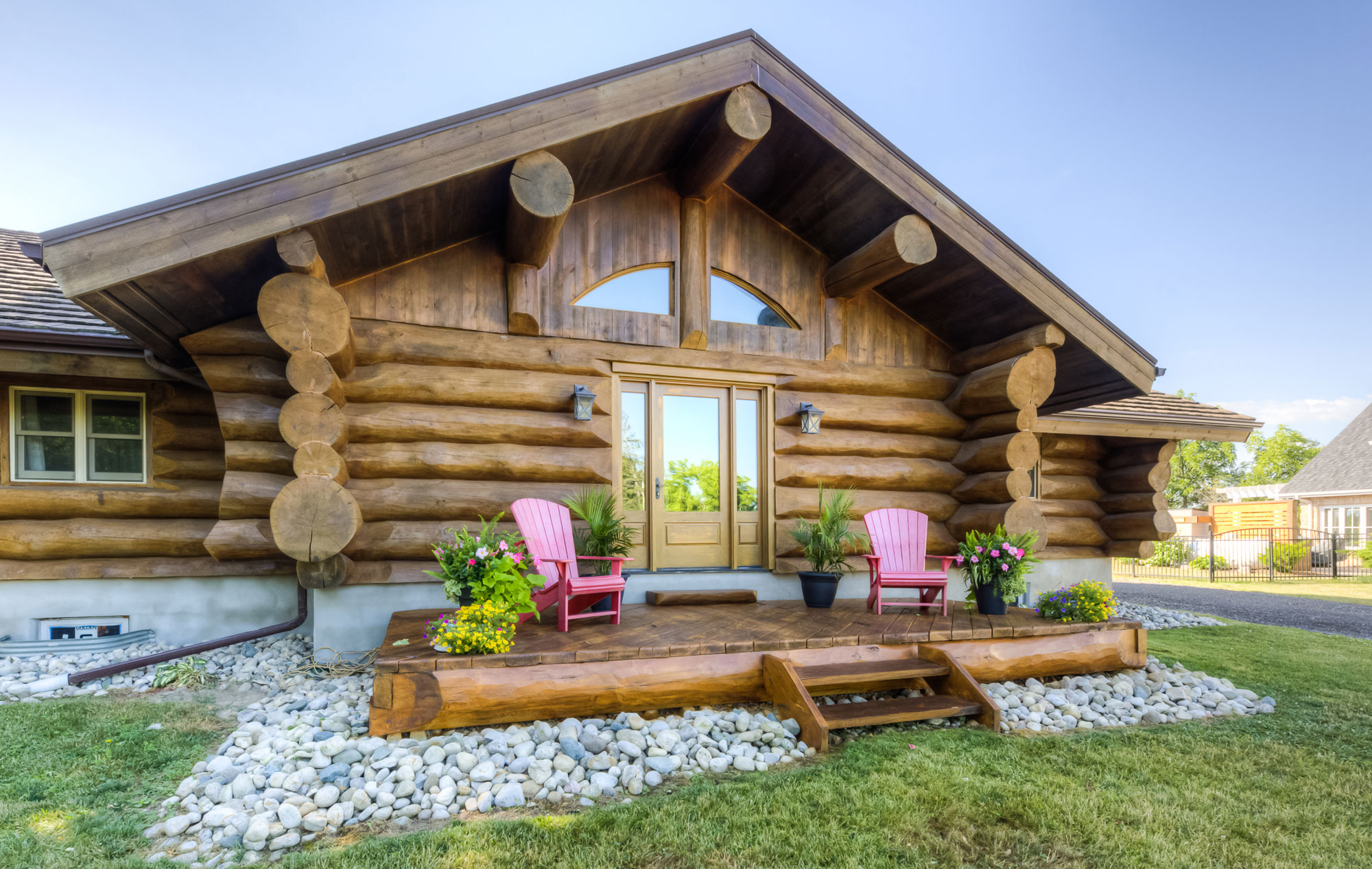

The Importance of Maintenance
Many people aspire to own a log home because it offers a unique fusion of charm, aesthetic appeal, and historical importance. However, this dream comes with its responsibilities, most notably the required rigorous and consistent care log structures. Regular maintenance is more than just a menial task; it’s an investment in the longevity and health of your home. Implementing a well-thought-out log cabin maintenance plan is crucial. Homes’ plans address interior and exterior aspects, ensuring durability and structural integrity. Consistent maintenance schedules increase house durability while preserving log homes’ timeless beauty and rustic charm.
Common Issues in Log Homes
Log homes offer a unique appeal but face challenges such as moisture intrusion, pest infiltration, and sun damage. Moisture seeps into wood, leading to rot, decay, and fungi. Insect pests like termites and carpenter ants deteriorate the home’s structural integrity. Sun damage can cause bleaching and cracking of logs, especially if the walls are south-facing and exposed to the sun. These problems may require expensive repairs if they are not addressed. On the other hand, prompt actions can reduce hazards and preserve the sturdy construction of the house.
Seasonal Care Tips
Maintaining a log house is a continuous activity that changes with the seasons rather than a one-time occurrence. Every season has its own set of difficulties and demands specific maintenance to maintain the house in immaculate shape.
- Spring: When the ground starts to thaw, thoroughly examining any potential winter water damage is ideal. Clearing debris around the home and ensuring clean gutters will improve water runoff and prevent unwanted pooling around the foundation.
- Summer: The warm and dry conditions make it the optimum time for applying new coats of stains and sealants. These treatments not only refresh the appearance of the logs but also provide a critical barrier against the sun’s UV rays and summer storms.
- Fall: Preparation for winter is key during the fall. This includes evaluating and repairing any insulation deficiencies. Ensuring that all weatherstripping around windows and doors is intact helps keep heat in and cold out during the formidable winter months.
- Winter: During the cold months, monitoring for ice dams that could accumulate on roofs is essential. Snow buildup should be addressed, especially on roofs, to avoid excessive weight that could stress or damage the structure.
Environmental Considerations
Each log home is subject to the whims of the environment in which it resides. Such environmental factors, including temperature variation and humidity levels, profoundly affect the condition of the home’s logs. In regions with high humidity, logs are at an increased risk of mold and rot, making frequent inspections paramount. Conversely, the wood may become dry and brittle in dry, sun-exposed areas, risking cracking and warping. Homeowners should consider these environmental considerations when planning maintenance routines, ensuring all potential risks are mitigated using the right products and maintenance techniques.
Sustainability and Eco-Friendly Practices
As awareness grows about the impact of our lifestyle choices on the environment, many log homeowners are choosing to incorporate eco-friendly practices in their maintenance routines. Homeowners can significantly reduce their homes’ carbon footprint by using sustainable materials, such as non-toxic stains and sealants, and integrating energy-efficient solutions like renewable energy sources. Embracing these practices not only contributes to environmental conservation but can also enhance the lifespan of the log home itself, making it a beneficial choice for both the planet and homeowners.