

When the mercury soars, your car’s cooling system becomes its lifeline. The cooling system’s primary function is to keep the engine running within a safe temperature range. But what happens when temperatures outside hit unprecedented highs? Extreme heat can overburden even the best-maintained systems, leading to potential engine overheating, coolant breakdown, and damaged components.
According to studies, engine overheating is among the top causes of roadside breakdowns during summer. High heat places additional strain on your cooling system, especially in vehicles with older radiators or insufficient maintenance.
To stay ahead of this challenge, regular inspections and adopting smart cooling strategies can help. And, if you’re looking to dive deeper into vehicle performance during extreme conditions, discover Tradecarhub for more insights and tips.
Understanding the Role of the Cooling System in Extreme Heat
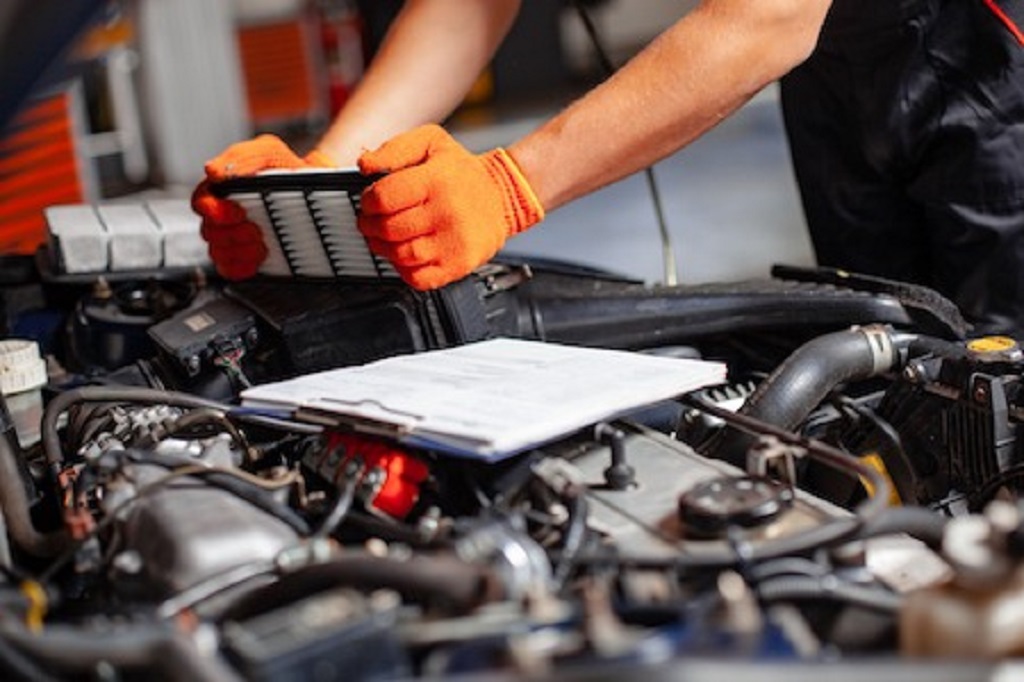
The car’s cooling system works tirelessly to regulate engine temperatures. It uses components like the radiator, water pump, thermostat, and coolant to dissipate heat effectively. However, during extreme heat, several factors can disrupt this delicate balance.
Coolant Breakdown: High temperatures can cause coolant fluid to degrade, reducing its efficiency in absorbing and dissipating heat. Over time, old or improperly mixed coolant can also lead to rust and deposits that clog the system.
Strained Radiators: Your radiator is the heart of the cooling system, but extreme heat reduces its ability to transfer heat from the coolant to the surrounding air. This can cause the engine to operate at dangerously high temperatures.
Thermostat Issues: The thermostat regulates the flow of coolant, but if it becomes stuck due to heat stress, it may fail to circulate coolant effectively.
Proper maintenance, including checking coolant levels and inspecting the radiator for damage, is essential to prevent such issues. Additionally, using heat-resistant additives in your coolant can bolster its performance during hot weather.
Can Your Car Handle Extreme Heat and Extra Power Demands?
When dealing with extreme heat, your cooling system also faces additional stress from electrical accessories or modifications. If you’re wondering about upgrades like adding an inverter, you might ask, how big of an inverter can my car handle? The answer lies in your car’s alternator capacity and overall electrical load, but adding significant electrical devices can increase heat buildup under the hood.
This added thermal load may strain the cooling system, particularly in high ambient temperatures. Ensuring your cooling system is up to the task involves maintaining proper airflow and monitoring for any signs of overheating. Upgraded fans or thermostats designed for high-performance conditions can also help.
Signs of Cooling System Strain in Extreme Heat
Dashboard Temperature Warning Light: The first indicator of trouble is usually your car’s temperature gauge rising into the red zone.
Visible Leaks: High pressure from overheating can force coolant out of compromised seals or hoses, leaving puddles under your car.
Steam from the Hood: A dramatic sign that your cooling system has reached its limit.
Addressing these signs promptly can prevent long-term damage, such as warped cylinder heads or a blown gasket.
Read More Also: Nailing Your Investor Pitch Deck: A Startup’s Guide to Funding
Effective Solutions for Cooling System Optimization
- Upgrade Coolant: Use a high-quality coolant mix designed for extreme temperatures to avoid overheating.
- Check Radiator Fins: Clean and straighten any bent fins to maximize airflow and heat dissipation.
- Install an Auxiliary Fan: These provide additional airflow, particularly useful for stop-and-go traffic in hot weather.
- Conduct Regular Maintenance: Inspect hoses, belts, and the water pump for wear and tear.
- Consider a Coolant Flush: A full flush can remove deposits and contaminants that compromise performance.
By taking these steps, you can ensure your cooling system operates efficiently, even under challenging conditions.
FAQs
What is the primary function of a car’s cooling system?
The cooling system regulates engine temperatures, preventing overheating by transferring excess heat away from the engine.
Can extreme heat damage a car’s cooling system?
Yes, prolonged exposure to high temperatures can degrade coolant, warp components, and reduce the radiator’s efficiency.
How often should I check my car’s coolant?
Inspect coolant levels every month and perform a full flush at least once every two years for optimal performance.
Is there a specific coolant type for hot climates?
Yes, use a coolant designed for high-temperature resistance, often marketed as “extended-life” or “high-performance” formulas.
What should I do if my engine overheats?
Turn off the air conditioning, pull over safely, and let the engine cool down before checking coolant levels or seeking professional assistance.
Can cooling system upgrades help in extreme heat?
Absolutely. Upgrades like high-flow thermostats or performance radiators can provide better heat management.
Conclusion
Extreme heat poses significant challenges to a car’s cooling system, but with proper maintenance, proactive measures, and periodic inspections, you can avoid costly breakdowns and ensure peak performance. Stay informed and prepared, especially during scorching summers.


