
Car accidents can happen when you least expect them, but knowing what to do can make all the difference. Whether it’s a minor fender bender or a small collision in a parking lot, staying calm and following a few key steps will help ensure that you handle the situation safely and effectively. Explore ourautocity to get tips on handling accidents and understanding your responsibilities after a crash. In this guide, we’ll break down the best actions to take after a minor car accident, so you can confidently manage the aftermath.
-
Stay Calm and Check for Injuries
The first step after a minor car accident is to breathe deeply and stay calm. Panicking will only make things harder. Take a moment to check yourself and your passengers for injuries. If anyone is hurt, call 911 immediately. Even if the accident seems minor, it’s important to be cautious and assess everyone’s condition.
According to the National Highway Traffic Safety Administration (NHTSA), over 6 million car accidents occur in the U.S. each year, and many involve minor collisions. But even in minor accidents, injuries like whiplash or cuts can happen. So, always prioritize safety.
-
Move to a Safe Location and Call Authorities
Once you’ve checked for injuries, move your vehicle to the side of the road if it’s safe to do so. This helps prevent further accidents and makes it easier for emergency services or other drivers to pass. If you’re unable to move your vehicle, turn on your hazard lights to warn other drivers.
If the accident occurred in a busy area, it’s important to alert the authorities. This way, police can document the incident and help with the necessary reports. In some cases, local laws require you to file a police report, even for minor accidents.
-
Document the Accident Scene
After ensuring safety, it’s essential to gather as much information as possible about the accident. Use your phone or a notepad to document the following details:
- The names, addresses, and contact information of everyone involved.
- Insurance information for all drivers.
- The make, model, and license plate numbers of the vehicles.
- Photos of the accident scene, including damage to vehicles and surrounding area.
This information will be crucial when dealing with insurance claims or, if necessary, legal matters. It’s a good idea to exchange details with other drivers, even if it seems like a minor issue.
-
Notify Your Insurance Company
Whether the accident was your fault or not, you should inform your insurance company as soon as possible. Many insurance companies have specific procedures for handling accidents, and reporting it early can help ensure you don’t miss any deadlines.
Insurance agents may request photos, a description of the event, and a police report (if applicable). According to a report by the Insurance Information Institute, filing a timely claim increases your chances of a smoother settlement process.
-
What If You Bumped Into a Parked Car with No Damage?
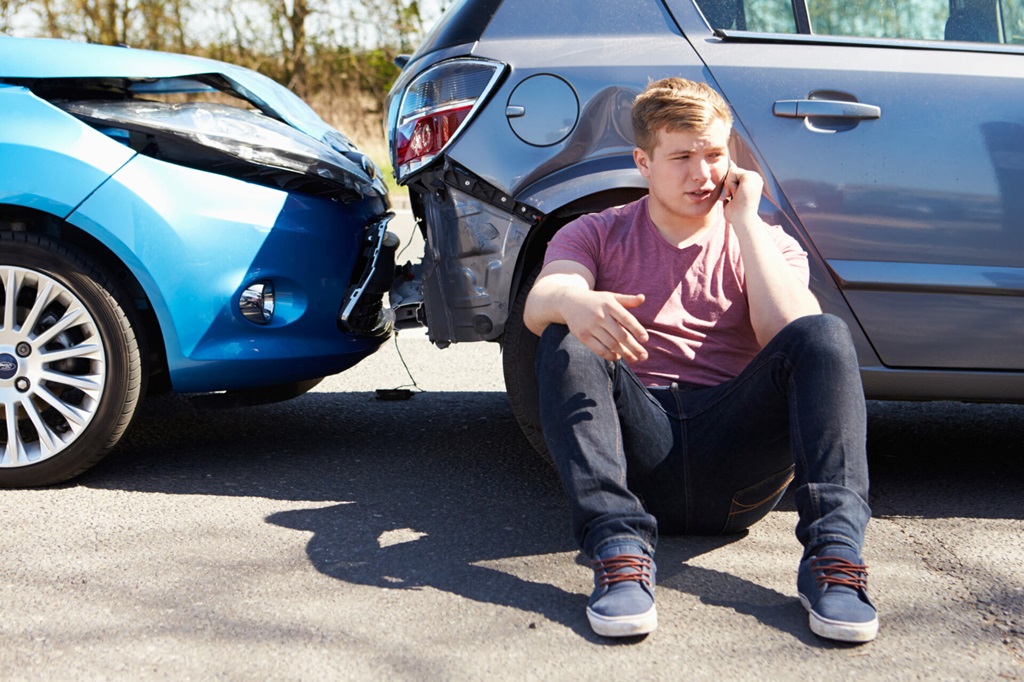
If you accidentally hit a parked car but there’s no visible damage, it’s still important to act responsibly. You may feel the need to just leave the scene, but this could create bigger problems. Always leave a note with your contact information on the parked car or notify the property owner if possible. This ensures that the situation is handled legally, avoiding any possible hit-and-run charges.
In case you bumped into a car with no visible damage, check out this helpful guide on what to do: Bumped into car no damage.
Related: What is Comprehensive Insurance for Car?
-
Consider Legal Advice if Necessary
While many minor accidents are straightforward, sometimes things get more complicated. If there is a disagreement about fault, damages, or injuries, it may be a good idea to consult with a lawyer. A legal expert can help you understand your rights and ensure that you are treated fairly throughout the process.
Some accidents, even minor ones, can lead to legal claims. It’s always best to know your options ahead of time.
-
Take Care of Your Vehicle
After the accident, inspect your car for any damage, no matter how minor it seems. Sometimes, vehicles can sustain hidden damage that could affect their safety or performance. If the car appears to be functioning normally but you’re unsure, consider getting it checked by a professional mechanic.
A small crack in the bumper or a dent might seem insignificant, but it could be a sign of deeper issues. Repairing these damages quickly can prevent further problems down the line.
Conclusion
After a minor car accident, the key to handling the situation effectively is staying calm and following these simple steps. By ensuring safety, documenting the scene, and notifying the necessary parties, you can navigate the aftermath of an accident with ease. Always remember that even small accidents require your full attention, and taking the right steps can make a big difference in how things unfold.