Strollers are often considered lifesavers for parents, offering a convenient way to transport babies while running errands or enjoying outdoor walks. However, some parents encounter a puzzling challenge: their baby simply hates the stroller. The frustration of dealing with cries and resistance can overshadow the convenience these devices offer.
You’re not alone in this dilemma—many parents face it. Babies are complex beings with unique preferences and responses. Understanding why your baby dislikes the stroller can help you find practical solutions and regain your peace of mind. As you navigate through this article, we’ll explore psychological, physical, and environmental factors, backed by research and expert opinions.
For parents looking for stress-free activities, you can explore Bubblewrapfun for engaging and stroller-friendly ideas to make outings enjoyable again.
Why Some Babies Resist Strollers: Exploring the Root Causes
-
Comfort Issues: The Physical Aspect
One of the most common reasons babies resist strollers is discomfort. Even the most luxurious strollers can cause irritation if they’re not suited to your baby’s needs.
Possible Comfort Issues:
- Ill-fitting Harnesses: Tight straps can cause discomfort, while loose ones might make your baby feel insecure.
- Seat Padding: Thin or overly soft padding may leave your baby restless.
- Temperature: Overheating or feeling cold can make the stroller unbearable.
Statistics:
A study by the American Academy of Pediatrics found that 35% of stroller-related complaints by parents were attributed to discomfort due to improper adjustments.
Solution:
Ensure the stroller is adjusted for your baby’s size, with ample cushioning and breathable materials. Conduct trial runs at home before heading outdoors.
-
Developmental Stage: Growing Preferences
Babies undergo rapid developmental changes, which influence their preferences. During certain stages, being confined to a stroller might feel restrictive.
Key Developmental Stages:
- 3–6 Months: Babies start to crave interaction and may resist lying flat in the stroller.
- 9–12 Months: With increased mobility, babies want to explore their surroundings, not sit still.
Expert Opinions:
Dr. Amanda Turner, a pediatric psychologist, explains:
“Babies who are entering new stages of development often reject environments that limit their ability to observe or move freely.”
Solution:
Consider strollers with adjustable seating positions and larger windows or canopies to give your baby a better view.
-
Emotional Needs: The Psychological Factor
Babies thrive on emotional connection and may dislike strollers because they feel isolated or disconnected from their caregivers.
Signs of Emotional Discomfort:
- Crying as soon as placed in the stroller.
- Calming down only when picked up.
Parenting Perspectives:
Some experts believe babies’ resistance reflects a need for closeness. Babywearing advocates often cite this as a reason for choosing slings over strollers.
Solution:
Engage with your baby during stroller rides by talking, singing, or making eye contact. Consider a stroller that allows your baby to face you for a more interactive experience.
Practical Solutions for Common Stroller Struggles
-
Introduce the Stroller Gradually
Much like introducing a new toy, letting your baby get used to the stroller gradually can help them feel comfortable.
Steps to Gradual Introduction:
- Place the stroller in a familiar setting, like your living room.
- Let your baby sit or lie in the stroller for a few minutes daily.
- Offer toys or snacks as positive reinforcements.
-
Timing is Everything
Avoid using the stroller when your baby is already irritable or tired. Plan rides during their happiest hours, often after a nap or feeding.
-
Make it a Sensory Experience
Adding sensory elements to stroller time can make it more engaging:
- Clip-on toys and rattles.
- Vibrating pads for soothing effects.
- Walks through visually stimulating environments like parks.
Related: Need an Extra Long Baby Gate? Don’t Stress, We’ve Got You Covered!
Tackling Resistance During Grocery Trips
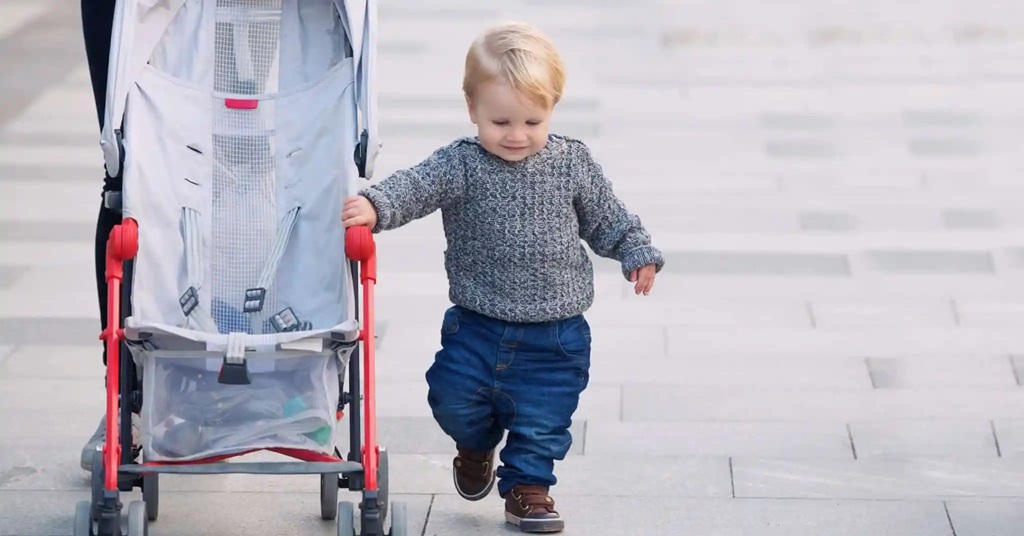
Many parents struggle with stroller resistance while running errands. This can make simple tasks like shopping feel impossible. Using a stroller for groceries efficiently can make outings smoother for both you and your baby.
Tips for Grocery Shopping:
- Choose a stroller with ample storage space to reduce clutter.
- Use stroller-compatible shopping carts for added convenience.
- Keep your baby engaged with snacks or toys while you shop.
Sarah, a first-time mom, noticed her 8-month-old crying during stroller rides in crowded places. After consulting her pediatrician, she realized the noise and visual stimuli were overwhelming. Switching to quieter, shaded paths transformed their experience.
James struggled with his toddler’s refusal to sit in a stroller. By transitioning to a more interactive stroller model with parent-facing seats, stroller time became a bonding moment.
When to Seek Professional Advice
While most stroller aversion issues are manageable, there are cases when professional guidance might be necessary:
- Persistent crying despite comfort adjustments.
- Signs of physical discomfort, such as redness from straps.
- Severe separation anxiety manifesting during stroller use.
Conclusion: Turning Stroller Time into Quality Time
Understanding why your baby hates the stroller involves recognizing their unique preferences and needs. Whether it’s discomfort, developmental milestones, or emotional needs, solutions exist to make stroller rides more enjoyable.
By approaching the issue with patience and creativity, you can transform stroller time from a struggle into an opportunity for bonding and exploration. Remember, every baby is different, so finding the right balance may take some trial and error.