
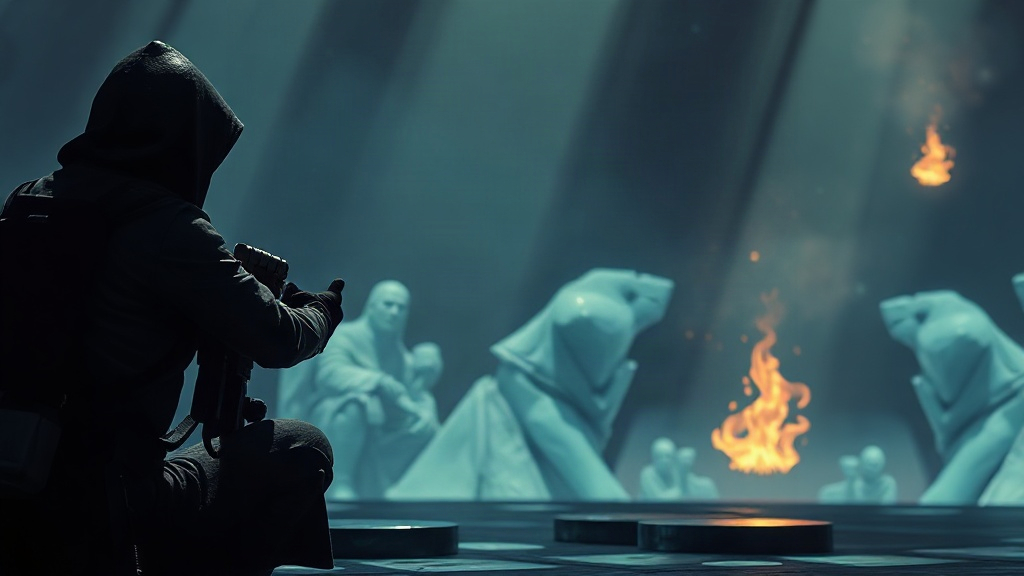
What if a game remembered every decision you made — and held you to it? The question of why player choice matters in modern rpg design sits at the heart of that idea, because the decisions a player makes are what turn a scripted story into a personal one. Modern role-playing games invite you to shape a character, pick sides in conflicts, and live with the results across dozens of hours. Across gaming genres, that freedom separates a memorable adventure from a forgettable one. This piece explains what meaningful choice looks like, why it shapes better games, and how designers and players can tell real agency from illusion.
Quick answer: Player choice matters because it turns a fixed story into one the player feels ownership of. The most effective choices are visible in the world, carry real consequences, and arrive at a pace that lets players understand what they did. Designers should build fewer but weightier decisions rather than a hundred cosmetic ones.
What is player choice matters in modern rpg?
At its core, player choice is the set of decisions a game lets you make that alter what happens next. That can mean picking a class, sparing or killing a rival, choosing which faction to back, or deciding how to spend a skill point. The range is wide, but the principle is simple: the game reacts to you.
Not every decision carries the same weight. Designers often sort choices into a few broad types:
- Cosmetic choices change appearance or dialogue tone without altering outcomes.
- Build choices shape how your character fights and solves problems.
- Narrative choices affect who lives, who leads, and how the story ends.
- Moral choices ask you to weigh competing values, often with no clean answer.
A game can lean on any mix of these. What matters is whether the player can feel the difference their decisions make.
Agency versus the illusion of choice
Some games offer real branching, where paths genuinely diverge. Others use what players often call the illusion of choice: dialogue options that sound different but funnel toward the same outcome. Neither approach is automatically good or bad. A tightly authored story may need fixed beats to stay coherent. The trouble starts when a game advertises freedom it does not deliver, because players notice the gap between promise and payoff.
[!INSIGHT] The feeling of agency often counts as much as the mechanics behind it. A choice that is acknowledged later, even in a small way, lands better than one the world ignores.
Designers studying player agency have long looked to the history of immersive sims for lessons on reacting to player decisions.
Why choice defines the genre
Role-playing games grew from tabletop traditions where a player describes an action and a storyteller responds. Digital RPGs inherited that spirit. Build variety, quest outcomes, and companion relationships all exist to let each playthrough feel like the player’s own. Strip that away and you are left with an action game wearing RPG clothing.
Takeaway: meaningful choice is not about quantity. It is about whether decisions visibly change the world, the character, or the story.
Why player choice matters in modern rpg matters
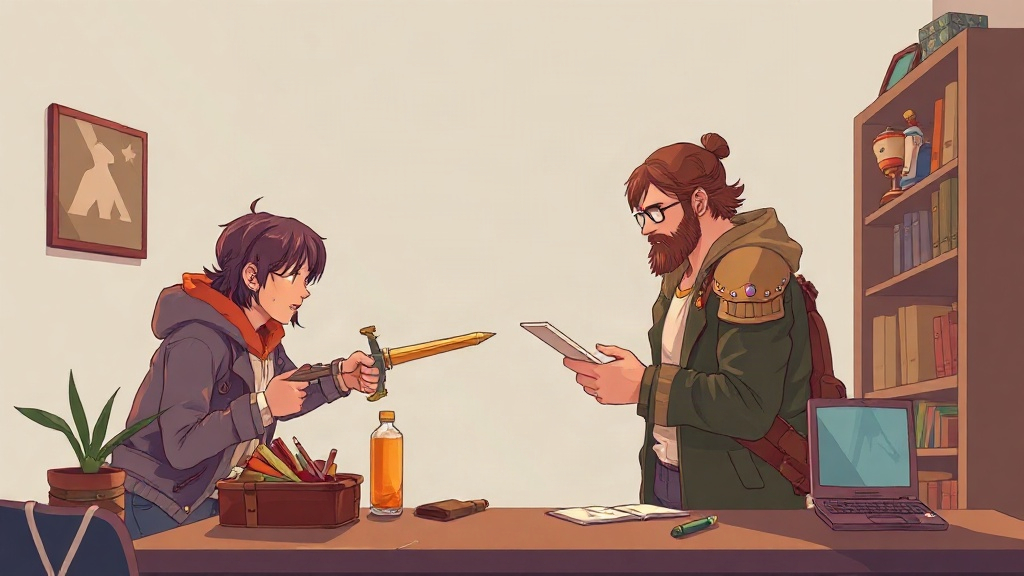
Choice is what gives a long game its replay value. A player who finishes a forty-hour RPG and immediately starts a second run is chasing a different outcome. That pull comes from decisions they want to reverse or explore. Without it, most players finish once and move on.
It also drives emotional investment. When you decide to spare a defeated enemy, the story that follows belongs partly to you. That sense of authorship makes consequences hit harder. A betrayal stings more when you chose to trust the traitor. A victory feels earned when it came from your own strategy rather than a scripted cutscene.
Choice supports identity, too. Players use decisions to express who their character is: a mercenary who helps for coin, a loyal friend who never lies, a pragmatist who breaks rules when needed. Build systems reinforce that identity by letting a player’s playstyle match their character’s values.
Consequences and replayability
The strongest argument for player choice is that it multiplies content. A single quest with two outcomes gives players a reason to return. A cast of companions who respond differently to your reputation creates fresh conversations on a second run. This is why studios invest so heavily in branching dialogue and multiple endings.
There are trade-offs. Branching stories cost more to write, voice, and test, and every branch risks being thinner than a single polished path. A game with too many forks can feel shallow at every turn. The balance point is different for every project.
Takeaway: choice creates emotional ownership and replay value, but it demands resources. Good design spends those resources where players will feel the impact most.
Best practices
Strong choice design follows patterns that hold across studios and budgets. Start with these.
Make consequences visible
A decision the player never sees pay off may as well not exist. Show the outcome clearly, whether through a changed town, a new line of dialogue, or a companion who reacts. Use reminders so players connect cause and effect across a long campaign.
Offer meaningful trade-offs
The best choices have no obvious right answer. Saving one village may mean abandoning another. Backing a faction may cost a friendship. When both options carry a real cost, players linger over the decision and remember it afterward.
Pace decisions for understanding
Front-loading huge choices before players understand the world leads to confusion. Let them learn the stakes first, then ask for a commitment. A late-game decision lands hard when players have spent hours with the people it affects.
Keep the interface honest
If a dialogue option says one thing and the character does another, trust erodes. Label options clearly and avoid tricking players into outcomes they did not intend. A surprise is fine; a bait-and-switch feels like a broken promise.
Watch someone new to the game reach a major decision. If they cannot explain the stakes, the setup needs work before the choice does.
Takeaway: visible consequences, genuine trade-offs, sensible pacing, and honest menus are the foundation of choice design that players trust.
Common mistakes to avoid
Even well-funded RPGs stumble on a few recurring traps.
Confusing busywork with agency. Spending skill points is a choice, but if every build solves every problem the same way, the decision was decorative. Ask whether two players with different builds would actually play differently.
Punishing curiosity. A game that locks players out of content for exploring boldly teaches them to play safe. Let side paths reward attention rather than penalize it.
Hiding consequences entirely. Some games keep outcomes so subtle that players never learn they mattered. A little feedback goes a long way.
Overpromising in marketing. Trailers that hint at vast branching can backfire when the shipping game is more linear. Understate freedom and let players discover depth.
Letting one choice dominate. If a single early decision determines the entire ending, later choices feel hollow. Spread influence across the campaign so players keep shaping the outcome.
A practical check for designers
Before locking a major decision, list what changes afterward: the world state, the dialogue, the relationship, the ending. If the list is empty, the choice is cosmetic. If everything changes, the cost may be too high. Aim for a middle ground where the impact is clear but affordable.
| Choice type | Player impact | Design cost |
|---|---|---|
| Cosmetic | Low | Low |
| Build | Medium | Medium |
| Narrative branch | High | High |
| Ending variant | High | Medium |
Takeaway: most mistakes come from mismatched expectations. Set honest promises, show real consequences, and keep every choice proportionate to its cost.
FAQ
Does player choice make an RPG harder to develop?
Yes, broadly. Branching dialogue, multiple endings, and reactive world states all add writing, voice acting, and testing work. Studios manage this by concentrating branches at key moments rather than spreading them everywhere. The trade-off is fewer but stronger decisions.
Is the illusion of choice ever acceptable?
It can be, when the story needs a fixed structure. Many acclaimed RPGs use dialogue options to shape tone and relationships without splitting the plot. The approach works as long as players still feel heard and the game does not advertise freedom it cannot deliver.
How many meaningful choices should a modern RPG include?
There is no fixed number. A few major decisions with clear consequences usually land better than dozens of minor ones. Focus on quality: each choice should change something the player will notice during the campaign.
Can choice hurt pacing?
It can. Too many decisions in quick succession can overwhelm players or stall the story. Give players time to see results and understand their situation before the next fork arrives.
Conclusion
Player choice gives an RPG its soul: it turns a crafted narrative into something a person feels they authored. The best designs make consequences visible, offer honest trade-offs, pace decisions sensibly, and avoid promising more than they deliver. If you design games, audit your next major decision and confirm it changes something the player will notice. If you play them, pay attention to which choices stick with you, because those are the ones worth studying.