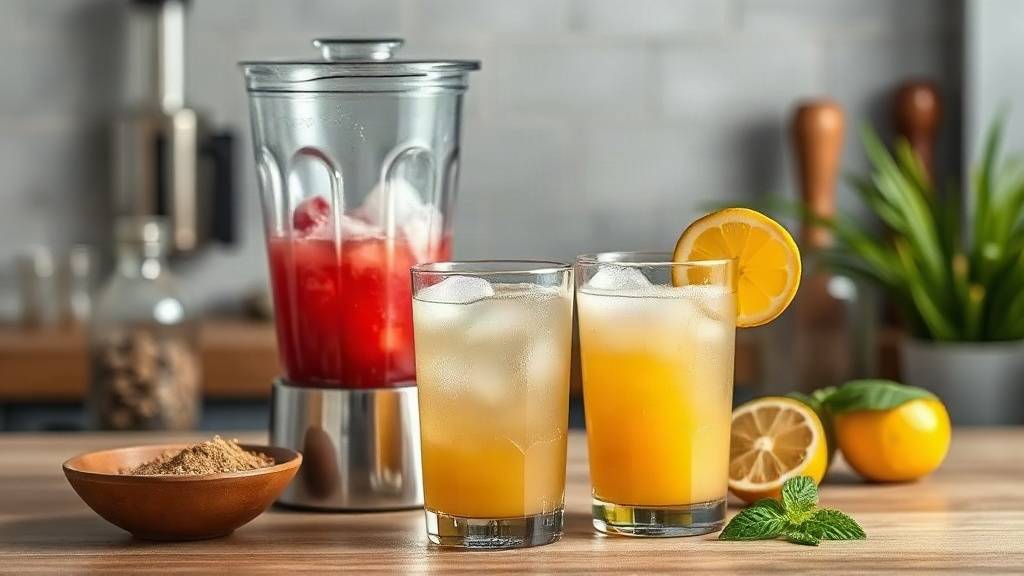
A frozen cocktail should sip like a slushy cloud, but frozen cocktails at home often turn out chunky, watery, or stuck to the blender blades. If you have ever ended up with ice shards floating in a puddle of rum, you are not alone — the problem is almost always technique, not talent. Blending a good frozen drink comes down to a few mechanical details: the ice-to-liquid ratio, the order you load the pitcher, and how long you run the machine. You can check out this website for inspiration on flavors, but the physics of a smooth blend stay the same in any kitchen. This guide explains what makes a frozen cocktail work and how to repeat it reliably.
Quick answer: Load liquid ingredients first, then ice, and blend in short pulses before running continuously. Aim for roughly two parts ice to one part liquid by volume, use crushed ice when your blender is modest, and stop blending the moment the mixture turns uniform and glossy. That combination gives you a thick, sip-able texture instead of a separated, watery mess.
What is frozen cocktails at home?
A frozen cocktail is any mixed drink blended or crushed with ice until it reaches a slushy, spoonable consistency. The category includes classics like the margarita, the daiquiri, the piña colada, and the frosé, plus countless fruit-forward variations. Making them at home means you control the sweetness, the strength, and the texture — three things a bar blender often settles for you.
The defining feature is aeration. A blender does two jobs at once: it shatters ice into fine crystals and whips air into the mixture. That air is what makes a frozen drink feel light rather than dense. Too little blending leaves crunchy ice; too much turns the drink soupy as the ice melts from friction heat.
Texture depends on a balance of four elements:
- Ice, which provides the chill and the body
- Liquid, which carries flavor and lets the blades move
- Sugar, which lowers the freezing point and keeps the mix from turning rock-hard
- Alcohol, which affects how firmly the drink sets
That last point surprises many people. Strong spirits freeze at much lower temperatures than water, so a high-proof cocktail blended with lots of ice can turn slushy and soft, while a low-alcohol drink may stiffen quickly. A splash of syrup or juice does more for texture than most people expect, because sugar keeps the crystals small and the mixture scoopable.
Home equipment ranges from a compact personal blender to a high-powered countertop model. A weaker motor struggles with whole cubes and tends to leave pockets of ice near the blades. A stronger one can turn out a velvety drink in under a minute. Knowing which machine you own shapes the rest of your approach.
[!INSIGHT] The smoothness of a frozen cocktail is mostly a question of crystal size. Small, even crystals read as creamy; large, uneven ones read as gritty.
Key takeaway: A frozen cocktail is ice, liquid, sugar, and alcohol blended into a stable slush — and the ratio between those four elements sets the texture before the blender even starts.
Why frozen cocktails at home matters
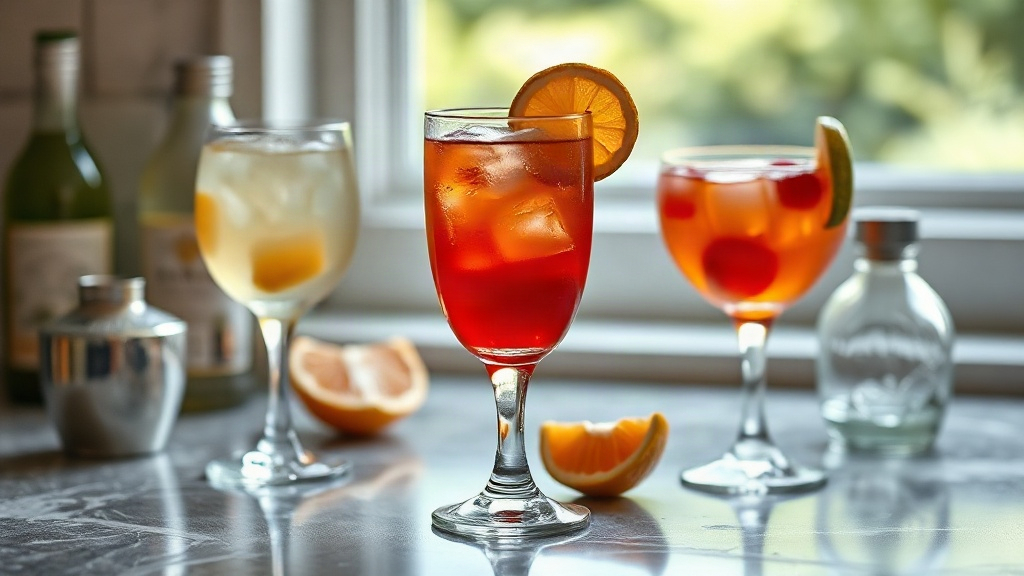
Blending your own drinks gives you control a bar cannot always offer. You decide how sweet the drink tastes, how strong it pours, and whether the fruit is fresh or frozen. For anyone hosting a small gathering, that control matters more than fancy glassware. A pitcher of well-blended margaritas costs far less than a round at a cocktail bar, and guests can serve themselves.
Texture is the part most home bartenders underestimate. A frozen drink that separates into foam on top and watery liquid below signals a ratio problem, and it tastes thin. Getting the blend right keeps the drink cold and consistent from the first sip to the last. That consistency is what makes a frozen cocktail feel considered rather than thrown together.
There are practical benefits too. Frozen drinks are forgiving with inexpensive spirits, because cold and sugar mask rough edges. They also stretch a bottle further: one measure of rum blended with fruit and ice serves two or three people comfortably. For warm-weather entertaining, a blender on the counter does the work of a full bar station.
Timing is another factor worth planning around. Blended drinks are best within minutes of blending, so the skill lies in preparing components ahead. Juice can be chilled, glasses can be frozen, and fruit can be cut in advance. When the ice goes in, the drink should come together in under a minute.
[!NOTE] Alcohol and ice interact with food safety in subtle ways. Keep raw fruit and juices refrigerated, and do not leave blended drinks sitting at room temperature for long stretches.
Key takeaway: Blending at home saves money, gives you full control over sweetness and strength, and rewards a little advance prep with a consistently better drink.
Best practices
Great frozen cocktails follow a repeatable order of operations. Start with the ratio: about two cups of ice for every cup of liquid is a reliable baseline, then adjust for your machine and your ingredients. A drink with fresh citrus and little sugar may need slightly less ice, because the liquid is thinner. A creamy drink with coconut or dairy often needs more.
Load the blender in the right sequence. Pour liquids in first, add syrups and spirits, then pile ice on top. This order lets the blades catch liquid immediately and pull the ice down into the vortex. Loading ice first can stall the motor and leave you with an unmixed pocket at the bottom.
Adjusting for your blender’s power
A high-powered blender can handle whole cubes and will produce a fine, even texture in 30 to 45 seconds. A standard or personal blender benefits from crushed ice or smaller cubes, plus short pulses to break up the load before running continuously. If your machine has a dedicated ice-crush or frozen-drink setting, use it — those programs are built to vary speed and avoid overheating.
Managing dilution and temperature
Every second of blending melts ice, so blend only until the mixture turns uniform. Stop, scrape down the sides, and pulse again if needed rather than running the motor for a long stretch. Chilling your ingredients beforehand means you can use less ice and still get a thick result. Frozen fruit is a useful ally here: it adds body without adding as much meltwater as ice alone.
For a classic two-tone frozen drink, you can layer flavors rather than blending everything at once. A Miami Vice drink is a good example, because it combines a strawberry blend with a creamy piña colada base in one glass. The technique of blending each layer separately and pouring one over the other keeps the colors distinct and the textures right.
Comparison: crushed ice vs. whole cubes in a standard blender
| Factor | Crushed ice | Whole cubes |
|---|---|---|
| Blend time | Shorter | Longer |
| Texture | Even, fine slush | Risk of shards |
| Motor strain | Lower | Higher |
| Best for | Personal blenders | High-powered models |
Notice that crushed ice wins on almost every row except convenience. If your freezer does not make crushed ice, pulse whole cubes in a clean, dry blender first.
Key takeaway: Liquid first, ice last, blend briefly, and match your ice to your machine’s power — those four habits deliver a smooth pour every time.
Common mistakes to avoid
The most frequent error is overfilling the pitcher. A blender needs headroom for the mixture to circulate, so fill no more than about two-thirds full. Overloaded blenders cavitate — the blades spin without grabbing the mixture — and you end up with half-frozen chunks and a strained motor.
The second mistake is blending too long. Heat from friction melts the ice, and the drink turns thin and watery. If the texture looks right, stop. Waiting for it to look “perfect” usually means waiting too long.
A third problem is ignoring the sugar balance. Cutting sugar entirely sounds healthy, but sugar keeps frozen drinks from freezing into a solid block. If you reduce it, expect a firmer texture and adjust the ice down to compensate.
Other mistakes worth watching:
- Adding warm ingredients straight from the shelf, which forces you to use more ice
- Skipping the taste check before pouring, since dilution changes flavor
- Using a blender with a dull or damaged blade, which crushes unevenly
- Pouring into warm glasses, which accelerates melting at the edges
[!WARNING] Never run a blender with the lid off to “check the texture.” Frozen mixtures can splash upward, and hot or thick blends can release pressure. Keep the lid on and use the lid cap for adding liquid.
Key takeaway: Most frozen drink failures trace back to an overloaded pitcher, excessive blending, or a lopsided sugar-to-ice ratio — fix those three and the texture improves immediately.
FAQ
How much ice should I use for a frozen cocktail?
Start with about two cups of ice per cup of liquid, then adjust. A drink heavy on fresh juice or low in sugar may need less ice, while a creamy drink often needs a little more. Add ice gradually and blend in pulses so you can judge the texture as you go.
Can I make frozen cocktails without a high-powered blender?
Yes. Use crushed ice, cut fruit into smaller pieces, and blend in short pulses rather than one long run. A standard blender can produce a smooth drink if you avoid overloading it and give the motor brief rests between pulses.
Why did my frozen cocktail turn out watery?
Watery results usually come from blending too long or using too much ice relative to the liquid. Friction heat melts the ice, and the extra meltwater thins the drink. Chill your ingredients beforehand and stop the blender as soon as the mixture looks uniform.
Can I blend frozen cocktails ahead of time?
You can blend them an hour or so ahead and store them in the freezer, but they will firm up and may need a quick re-blend or stir before serving. For the best texture, blend close to serving time and keep the components cold until then.
Does the type of alcohol affect how the drink freezes?
Yes. High-proof spirits lower the freezing point, so strong drinks stay softer, while low-alcohol mixtures can set firmer. If your drink turns too stiff, a small splash of juice or syrup loosens the texture without watering it down.
Conclusion
Smooth frozen cocktails at home come down to ratio, load order, and restraint at the blender. Use roughly two parts ice to one part liquid, pour liquids first and ice last, and stop blending the moment the mixture turns glossy and even. Chill your ingredients, match your ice to your machine, and taste before you pour. Pick one recipe this week, practice the technique once, and adjust the ice and sugar to your own taste — the second batch will already be better than the first.