

Your car’s tires are one of the most critical components of vehicle safety and performance. Yet, many drivers unknowingly reduce their lifespan with poor maintenance habits. The average cost of a new set of tires ranges from $400 to $1,200, depending on the brand and vehicle type. Regular tire replacements can quickly become a financial burden. By following a few expert-backed maintenance hacks, you can extend your car tire life significantly, improve fuel efficiency, and enhance road safety. Whether you’re driving daily or taking long road trips, small adjustments can lead to big savings. Plus, investing in proper tire care reduces your carbon footprint by minimizing unnecessary tire waste.
For a better understanding of car safety and maintenance, explore Trade Car Hub for expert advice.
1. Maintain Proper Tire Pressure for Maximum Longevity
Underinflated or overinflated tires wear out faster and compromise safety. According to the National Highway Traffic Safety Administration (NHTSA), underinflated tires are three times more likely to cause a crash.
How to Check and Maintain Tire Pressure
- Use a digital tire pressure gauge at least once a month.
- Refer to your car’s manual for the recommended PSI (pounds per square inch).
- Check tire pressure when tires are cold for accurate readings.
- Adjust pressure accordingly at a gas station or with a home air compressor.
Proper inflation also improves fuel efficiency. The U.S. Department of Energy reports that underinflated tires can lower gas mileage by 0.2% for every 1 PSI drop. Keeping your tires at the correct pressure ensures you get the most out of every gallon of fuel.
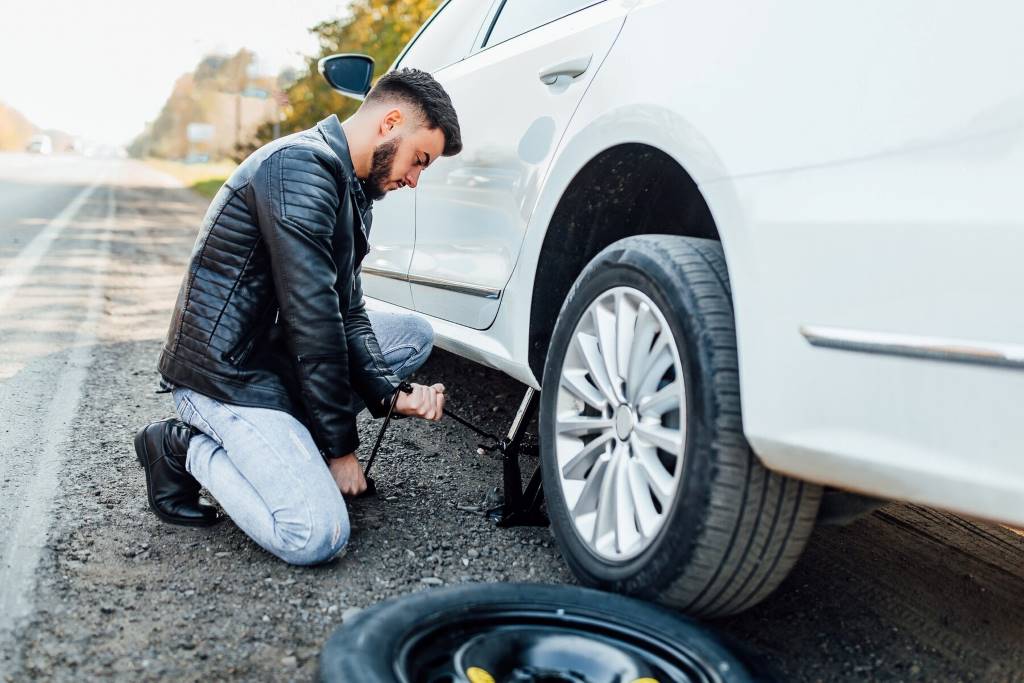
2. Rotate Your Tires to Prevent Uneven Wear
Uneven tire wear shortens lifespan and affects handling. Most manufacturers recommend rotating your tires every 5,000 to 8,000 miles to promote even wear.
Best Rotation Practices
- Front-wheel-drive cars: Move front tires to the back in a straight line and swap rear tires diagonally.
- Rear-wheel-drive cars: Move rear tires to the front in a straight line and swap front tires diagonally.
- All-wheel-drive cars: Follow a crisscross pattern to maintain balance.
Skipping tire rotations can lead to dangerous bald spots, increasing the risk of hydroplaning on wet roads. Consistently rotating your tires extends their life and enhances overall driving safety.
3. Loosen Straps on Car Seat for Proper Positioning
While focusing on tire maintenance, don’t forget about passenger safety. An improperly secured car seat can be dangerous for young passengers. If you’re struggling with tight car seat straps, here’s how to loosen straps on car seat correctly. Ensuring a secure yet comfortable fit for your child reduces the risk of injury in an accident.
4. Align Your Wheels to Avoid Uneven Tread Wear
Misaligned wheels cause tires to wear out faster on one side, leading to early replacements. Signs of misalignment include:
- The car pulling to one side while driving.
- Uneven tire wear patterns.
- A vibrating steering wheel.
A professional alignment costs around $75 to $200 but can save you hundreds in tire replacements. Aim to align your wheels at least once a year or whenever you notice handling issues.
5. Drive Smoothly to Reduce Tire Stress
Hard braking, aggressive acceleration, and sharp turns cause excessive tire wear. Instead, practice smooth driving by:
- Braking gradually instead of slamming the pedal.
- Accelerating steadily without sudden bursts of speed.
- Avoiding potholes and road debris to prevent damage.
A study by AAA found that aggressive driving can reduce tire life by up to 50%. By adopting a smoother driving style, you extend the lifespan of your tires while improving fuel efficiency.
6. Store Spare Tires Properly to Prevent Dry Rot
If you have a spare tire, improper storage can lead to dry rot, making it unsafe for use. Follow these tips for proper storage:
- Keep tires in a cool, dry place away from direct sunlight.
- Avoid exposure to oil, grease, and chemicals.
- If storing long-term, keep them off the ground using a tire rack.
Rotating your spare tire into use every few months also helps prevent it from becoming brittle.
7. Invest in High-Quality Tires for Longer Durability
Not all tires are created equal. Investing in premium tires with longer tread warranties can save you money in the long run. Some of the top-rated long-lasting tire brands include:
- Michelin Defender T+H (up to 80,000-mile tread life)
- Goodyear Assurance MaxLife (up to 85,000 miles)
- Bridgestone Turanza QuietTrack (excellent durability and performance)
Though they cost more upfront, high-quality tires wear slower and offer better handling and fuel efficiency. Explore how does extreme heat affect the car’s cooling system performance?
FAQs
1. How often should I check my tire pressure?
Check tire pressure at least once a month and before long road trips.
2. What is the best way to prevent tire dry rot?
Store tires in a cool, dry place away from direct sunlight and chemicals.
3. Does driving speed affect tire lifespan?
Yes. High-speed driving generates excessive heat, causing faster tread wear.
4. How can I tell if my car needs an alignment?
If your car pulls to one side, has uneven tread wear, or the steering wheel vibrates, it’s time for an alignment.
5. How much can tire rotation extend tire life?
Regular rotations can extend tire life by up to 20%, preventing uneven wear.
Conclusion
Extending car tire life isn’t complicated. A few simple habits, like maintaining proper pressure, rotating tires, and driving smoothly, can add thousands of miles to your tire lifespan. By taking a proactive approach, you save money, improve safety, and reduce your environmental impact. Start applying these hacks today for a smoother and more cost-effective driving experience.