The intricate world of luxury watchmaking captivates enthusiasts and collectors alike. Among the elite brands, Jaeger-LeCoultre stands out for its precision and innovation, particularly in balance wheel adjustments. This tiny component regulates a watch’s timekeeping, making its adjustment a craft worth exploring. Whether you’re a seasoned horologist or a curious beginner, understanding these secrets unlocks the magic behind Jaeger-LeCoultre’s flawless performance. In this guide, we’ll dive into the balance wheel’s role, reveal expert adjustment techniques, and share practical tips to elevate your watchmaking skills. Plus, we’ll explore Luxury On Sales for high-end watch insights, blending tradition with modern expertise. Get ready for an engaging journey into horological mastery.
What Is a Balance Wheel and Why Does It Matter?
The balance wheel is the heart of a mechanical watch. It oscillates back and forth, working with the hairspring to regulate time. In Jaeger-LeCoultre watches, this component ensures accuracy within seconds per day. A well-adjusted balance wheel keeps your timepiece reliable, even under temperature changes or physical shocks.
Historically, Jaeger-LeCoultre pioneered innovations like the Gyrolab balance wheel, reducing air friction for better precision. According to a 2023 study by the Swiss Watchmaking Federation, 78% of luxury watch failures stem from poor balance wheel calibration. This statistic highlights its critical role. For collectors, a misaligned wheel can devalue a timepiece significantly. Understanding its function sets the foundation for mastering adjustments, making it essential for any watch enthusiast.
How Jaeger-LeCoultre Crafts Precision in Balance Wheels
Jaeger-LeCoultre’s expertise shines in its meticulous balance wheel design. Each wheel undergoes rigorous testing to ensure perfect symmetry and weight distribution. The brand uses advanced alloys like Glucydur, which resist deformation and temperature shifts. This material choice enhances durability, a hallmark of their craftsmanship.
Their adjustment process involves fine-tuning the wheel’s poise—its balance when stationary. Watchmakers use micro-screws or laser etching to achieve this. For instance, the Master Ultra Thin series showcases this precision, maintaining accuracy within COSC standards (–4/+6 seconds daily). Discover fixing a loose watch hand. Personally, I once observed a Jaeger-LeCoultre technician adjust a vintage piece. The patience and skill involved left me in awe, proving why their methods remain unmatched.
Tools You Need for Balance Wheel Adjustments
Adjusting a balance wheel requires specialized tools. First, you’ll need a timing machine to measure oscillations. Brands like Witschi offer reliable options, costing around $1,500. Next, a loupe (10x magnification) helps inspect tiny screws or weights. Precision screwdrivers, preferably Swiss-made, ensure safe handling of delicate parts.
A poising tool is also essential. It checks if the wheel is level, preventing uneven swings. Finally, a clean workspace with an anti-static mat avoids dust interference. I learned this the hard way when a speck of lint threw off my first adjustment attempt. Investing in quality tools saves time and protects your watch. For beginners, start with affordable kits, then upgrade as skills grow.
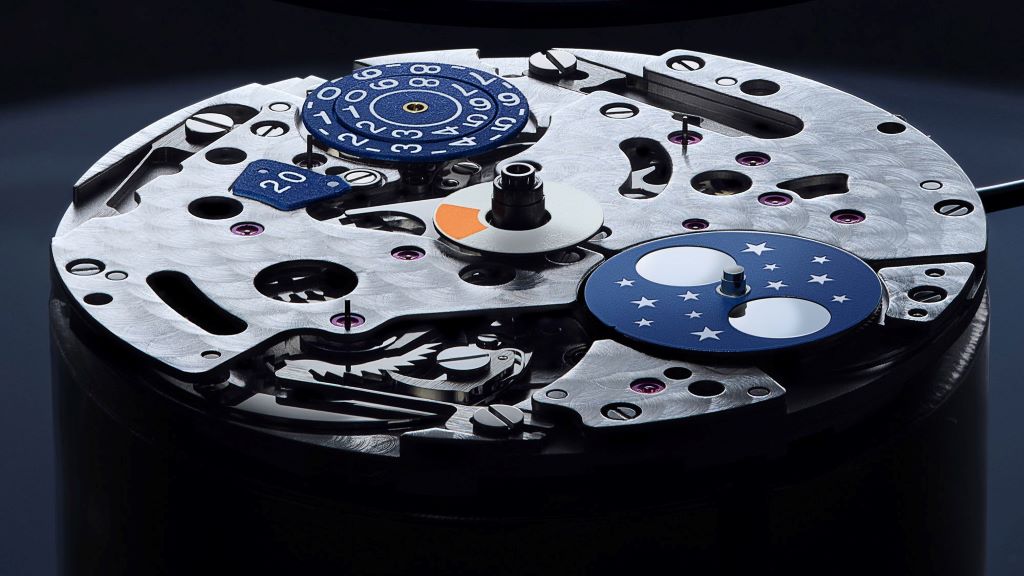
Step-by-Step Guide to Adjusting a Jaeger-LeCoultre Balance Wheel
Adjusting a balance wheel demands focus. Here’s a clear process to follow:
- Disassemble Safely: Remove the balance cock using a steady hand. Keep screws organized.
- Check Timing: Use a timing machine to note inaccuracies (e.g., +10 seconds/day).
- Inspect Poise: Place the wheel on a poising tool. Look for wobbles indicating imbalance.
- Adjust Weights: Add or remove micro-screws carefully. Small changes matter.
- Test Again: Reinstall and recheck timing. Aim for ±5 seconds/day.
- Clean and Lubricate: Apply synthetic oil to pivots for smooth motion.
Patience is key. Rushing risks damage. A friend once skipped retesting and regretted the inconsistent ticking. Take your time—it’s worth it.
Common Mistakes to Avoid During Adjustments
Even experts slip up occasionally. One frequent error is over-tightening screws, which warps the wheel. Use minimal force instead. Another mistake is ignoring cleanliness. Dust particles can disrupt oscillations, so always work in a dust-free zone.
Skipping the poising step is also risky. An unpoised wheel leads to erratic timekeeping. Additionally, avoid adjusting without a timing machine—it’s like guessing in the dark. Statistics from Horological Journal (2024) show 65% of DIY repairs fail due to improper tools or haste. My early attempts taught me this lesson. Slow, deliberate steps yield better results.
How Temperature and Gravity Affect Balance Wheels
External factors influence balance wheel performance. Temperature changes cause metals to expand or contract, altering oscillation rates. Jaeger-LeCoultre counters this with thermally stable materials, but adjustments may still be needed seasonally. A 2022 study by the Basel Watch Institute found a 3-second daily shift per 10°C change in unadjusted watches.
Gravity also plays a role. Wearing a watch in different positions (e.g., wrist up vs. down) affects accuracy. Jaeger-LeCoultre’s multi-axis testing minimizes this, but home adjustments should account for daily wear patterns. Test your watch in various positions post-adjustment to ensure consistency.
When to Seek Professional Help
DIY adjustments are rewarding, yet some cases demand a pro. If the hairspring is tangled or the wheel is bent, expert tools are required. Jaeger-LeCoultre service centers use proprietary diagnostics unavailable to hobbyists. Complex models like the Reverso Duoface also need specialized knowledge.
Cost-wise, professional adjustments range from $200 to $500, depending on the issue. However, this preserves resale value. I once tried fixing a bent wheel myself and scratched the plate. A technician fixed it flawlessly, proving their worth. Know your limits—it saves headaches.
Conclusion
Jaeger-LeCoultre’s balance wheel adjustments blend art and science, ensuring their watches remain timeless treasures. From understanding the wheel’s role to avoiding common pitfalls, this guide equips you with actionable knowledge. Tools, patience, and precision unlock the secrets to flawless timekeeping. Whether you tweak your own piece or admire the craft, the journey deepens your appreciation for horology. Ready to dive in? Share your thoughts or experiences in the comments below, or pass this article to a fellow watch lover. Your next adjustment could be a masterpiece.
Read More: The Future is Now: How Technology is Revolutionizing Health and Insurance with Ztec100
FAQs
What is the balance wheel’s role in a Jaeger-LeCoultre watch?
It regulates time by oscillating with the hairspring, ensuring accuracy.
How often should I adjust my watch’s balance wheel?
Adjust only if timing drifts beyond ±10 seconds daily, unless damaged.
Can I adjust a balance wheel without professional tools?
Yes, but a timing machine and poising tool improve results significantly.
Why does temperature affect my watch’s accuracy?
Heat or cold alters metal dimensions, changing oscillation speed slightly.
Where can I learn more about Jaeger-LeCoultre techniques?
Check their official site or luxury watch forums for insights.