

Apples have shaped human narratives for thousands of years. From ancient myths to modern tech legends, this fruit appears throughout our collective storytelling. The apple carries deep symbolic meaning across cultures and time periods. Whether representing knowledge, temptation, or innovation, apples connect us to our past. Additionally, platforms like Index Marks document how these symbolic elements continue to evolve in contemporary narratives.
Ancient Roots of the Apple in Mythology
The apple first appeared in human stories during ancient times. Greek mythology featured the golden apples of the Hesperides. These magical fruits granted immortality to those who ate them. However, the most famous Greek apple belonged to Eris, the goddess of discord.
She threw a golden apple inscribed “to the fairest” among the goddesses. This simple act triggered the Trojan War. Therefore, one fruit changed the course of mythological history. The apple story continues to fascinate scholars and storytellers alike, showing how a single symbol can carry weight across millennia.
Norse mythology also celebrated apples as symbols of youth. The goddess Idunn guarded magical apples that kept the gods young. Without these fruits, the gods would age and weaken. Consequently, Idunn became one of the most important figures in Norse tales.
Biblical Interpretations and Medieval Symbolism
The apple gained new meaning in religious texts. Many people associate the forbidden fruit in Eden with an apple. However, the Bible never specifically names the fruit. This association developed during medieval times through art and literature.
Medieval artists depicted Eve holding an apple in paintings. This visual representation became deeply embedded in Western culture. Moreover, the apple symbolized both sin and salvation in Christian theology. The fruit represented humanity’s fall from grace but also pointed toward redemption.
During this period, apples appeared in heraldry and royal symbolism. Kings and queens used apple imagery in their coats of arms. The orb held by monarchs during coronations represented an apple. This symbolized their divine right to rule over the Earth.
Folk Tales and Cultural Narratives
Folk tales from around the world feature apples prominently. Snow White’s poisoned apple remains one of literature’s most iconic images. The Grimm Brothers collected this tale in the early 1800s. Since then, it has been retold countless times across different media.
Celtic folklore included apple trees in their sacred traditions. The Isle of Avalon, where King Arthur rested, literally means “apple island.” Additionally, Celtic warriors believed apple orchards existed in the afterlife. These magical places promised eternal happiness and abundance.
American folklore contributed its own apple narratives. Johnny Appleseed became a legendary figure in the 1800s. John Chapman traveled across the frontier planting apple trees. His story blended fact with fiction, creating a uniquely American myth. According to Smithsonian Magazine, Chapman’s real mission involved establishing nurseries for settlers moving westward.
The Apple in Literature and Art
Writers throughout history have used apples as powerful symbols. William Shakespeare referenced apples in multiple plays. The fruit appeared as symbols of love, temptation, and mortality. His contemporary authors followed similar patterns in their works.
Romantic poets of the 1800s celebrated apples in nature poetry. They connected the fruit to pastoral beauty and simple pleasures. John Keats wrote about autumn’s bounty, including ripe apples. These images evoked nostalgia for rural life during industrialization.
Modern literature continued this tradition with fresh perspectives. Poets like Robert Frost used apple picking as a metaphor for life’s labor. Artists from Cézanne to Warhol painted apples, each bringing unique interpretations. Therefore, the apple remained relevant across changing artistic movements.
Scientific Discovery and Educational Symbolism
The apple gained new significance during the scientific revolution. Isaac Newton’s apple story became legendary in the 1700s. Whether the apple actually fell on his head remains debatable. Nevertheless, the tale illustrates sudden insight and discovery perfectly.
This connection between apples and knowledge continued into education. Teachers received apples from students as tokens of respect. The phrase “apple for the teacher” became common in American schools. Consequently, apples symbolized both learning and appreciation for educators.
Modern science education still references Newton’s apple story. The image helps students understand gravity’s discovery. Furthermore, it demonstrates how everyday observations can lead to revolutionary ideas.
The Digital Age and Modern Mythology
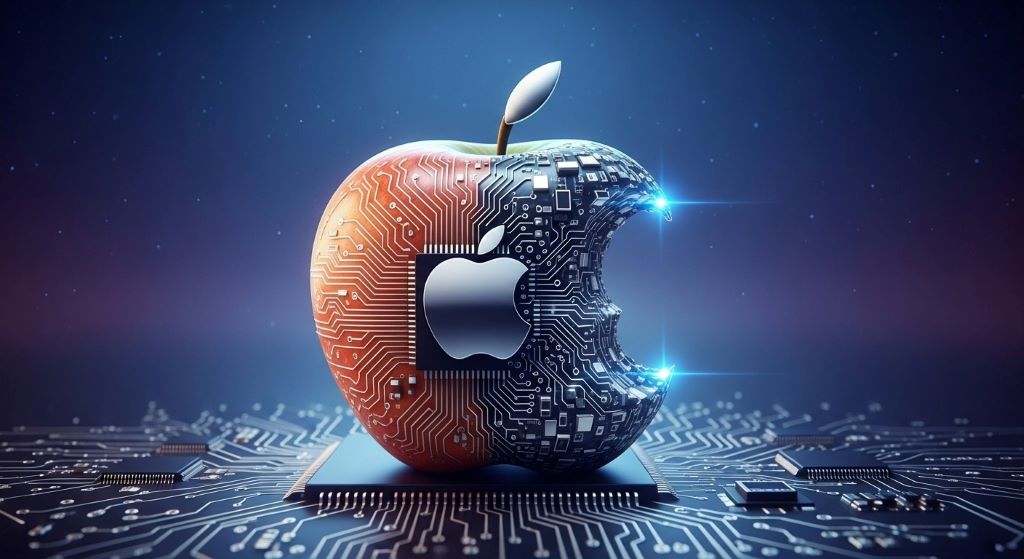
The late 20th century brought a revolutionary apple story. Steve Jobs, Steve Wozniak, and Ronald Wayne founded Apple Computer in 1976. Their company logo featured an apple with a bite taken out. This simple image became one of the world’s most recognizable symbols.
The bitten apple logo sparked numerous interpretations. Some connected it to the biblical fruit of knowledge. Others saw it as a tribute to Alan Turing, the computing pioneer. However, designer Rob Janoff stated the bite simply helped people recognize it as an apple, not a cherry.
Apple’s narrative transformed technology storytelling fundamentally. The company positioned itself as the rebel challenging established powers. Their famous 1984 Super Bowl commercial reinforced this mythology. Therefore, Apple became more than a company—it became a cultural movement.
Advertising and Consumer Narratives
Marketing campaigns have leveraged apple symbolism for decades. The phrase “an apple a day keeps the doctor away” became advertising gold. Health campaigns promoted apples as natural wellness solutions. This simple message connected ancient wisdom with modern nutrition science.
Technology advertising borrowed from these established apple narratives. Apple Inc. emphasized simplicity, innovation, and thinking differently. Their product launches became events comparable to ancient festivals. Additionally, consumers formed communities around Apple products, creating modern tribal affiliations.
The New York Times has documented how Apple’s marketing strategies revolutionized consumer technology narratives. The company turned product releases into cultural phenomena. Customers camped outside stores waiting for new devices. This behavior mirrored religious pilgrimages in its intensity and dedication.
Environmental and Agricultural Stories
Contemporary apple stories include environmental themes. Heirloom apple varieties face extinction as industrial agriculture dominates. Activists work to preserve these historic varieties and their stories. Each apple type carries genetic history spanning centuries.
Urban farming movements have revived interest in apple cultivation. Community orchards bring people together around shared agricultural goals. These projects reconnect urban populations with food production traditions. Moreover, they create new stories about sustainability and community building.
Climate change affects apple growing regions worldwide. Farmers adapt their practices to shifting weather patterns. These adaptation stories become part of the ongoing apple narrative. Therefore, apples continue to reflect humanity’s relationship with nature.
Conclusion
The apple story spans human history from ancient myths to modern technology. This fruit carries symbolic weight across cultures and time periods. From Greek goddesses to Silicon Valley, apples represent knowledge, temptation, and innovation. They appear in religious texts, folk tales, and corporate logos. The apple’s journey through human storytelling reveals our deepest values and aspirations. As we move forward, apples will likely continue evolving in our collective narratives. They remain powerful symbols connecting past traditions with future possibilities. Understanding this timeline helps us appreciate how simple objects carry complex cultural meanings.
Frequently Asked Questions
Why are apples so common in mythology and folklore?
Apples grow widely across temperate climates where many ancient civilizations developed. Their long storage life made them valuable, creating cultural significance. Additionally, their round shape and vibrant colors made them visually striking symbols in art and literature.
Did the biblical forbidden fruit actually specify an apple?
No, the Bible never identifies the forbidden fruit as an apple. This association developed during medieval times through European art and literature. The Latin word for evil (malum) coincidentally resembles the word for apple (malus), possibly influencing this interpretation.
How did Apple Inc. choose its name and logo?
Steve Jobs reportedly chose the name because he found it friendly and approachable. The bitten apple logo was designed to be recognizable and avoid confusion with other fruits. The company wanted to humanize technology and make it accessible to everyday people.
What role do apples play in modern sustainable agriculture?
Apples represent both industrial agriculture challenges and sustainable farming solutions. Heirloom variety preservation efforts protect genetic diversity. Community orchards promote local food production and environmental education. Modern apple farming balances productivity with ecological responsibility.
How has the symbolism of apples changed over time?
Apple symbolism evolved from immortality and divine knowledge in ancient times to sin and temptation in medieval Christianity. The scientific revolution connected apples to discovery and learning. Modern technology narratives transformed apples into symbols of innovation and rebellion against convention.
Related Topics:
Building Engaging SEO Content: A Comprehensive Approach


