

Choosing the right spinning rod can make the difference between an frustrating day on the water and landing the catch of a lifetime. With countless options flooding the market in 2026, anglers face more choices than ever before. Understanding what separates a great rod from a mediocre one helps you invest wisely and enjoy more successful fishing trips.
This comprehensive guide walks you through everything you need to know about selecting spinning rods for lakes, rivers, and streams. Whether you’re a beginner just starting out or an experienced angler looking to upgrade your gear, these insights will help you make an informed decision that matches your fishing style and target species.
Understanding Spinning Rod Basics
Before diving into specific features, it’s helpful to understand what makes spinning rods unique. These rods work with spinning reels, which hang below the rod and use an open-face design. This setup makes them incredibly versatile and user-friendly compared to other fishing rod types.
Spinning rods excel at casting lighter lures and handling smaller fish species. They’re perfect for beginners because they minimize line twist and backlash problems common with baitcasting setups. However, experienced anglers also rely on them for finesse techniques and situations requiring delicate presentations.
The basic components include the blank, guides, reel seat, and handle. Each part plays a crucial role in the rod’s overall performance. Understanding how these components work together helps you evaluate quality and choose equipment that performs well in real fishing situations.
Rod Length and Its Impact on Your Fishing
Length significantly affects casting distance, accuracy, and fish-fighting capabilities. Shorter rods offer more control and work better in tight spaces like small streams or areas with overhanging vegetation. Longer rods provide increased casting distance and better line management when fighting fish.
For most freshwater applications, rods between six and seven feet work well. A 6’6″ to 7′ rod offers an excellent balance of casting ability and control. This range handles everything from bass fishing to trout angling with reasonable success.
Consider where you’ll fish most often. Anglers fishing from boats or in open areas benefit from longer rods that maximize casting distance. Meanwhile, stream fishermen or those navigating brushy shorelines appreciate shorter rods that maneuver easily in confined spaces.
Additionally, longer rods help when you need to keep line above obstacles like weeds or rocks. They also provide better hook-setting power on fish that are far from your position. Shorter rods, conversely, offer more precision when placing lures near specific targets.
Power and Action Explained Simply
Power and action are two distinct characteristics that anglers often confuse. Power refers to the rod’s resistance to bending, typically rated from ultra-light to extra-heavy. Action describes where along the blank the rod bends, ranging from slow to fast.
Ultra-light and light power rods work perfectly for small fish like panfish, trout, and small bass. Medium power handles most general freshwater fishing situations effectively. Medium-heavy and heavy power rods tackle larger species like pike, musky, and big catfish.
Fast action rods bend primarily near the tip, providing excellent sensitivity and quick hook sets. These work great for techniques requiring immediate responsiveness, like jig fishing or using soft plastics. Moderate action rods bend through the middle section, offering more forgiveness and working well with treble-hooked lures like crankbaits.
Slow action rods bend throughout their length, creating a parabolic curve under load. While less common in modern spinning rods, they excel when fighting fish on light line because they absorb sudden runs and head shakes effectively.
Material Matters for Performance
Modern spinning rods use various materials, each offering different benefits. Graphite rods dominate the market because they provide an excellent combination of sensitivity, strength, and low weight. These characteristics make them ideal for detecting subtle bites and casting all day without fatigue.
Fiberglass rods offer more flexibility and durability than their graphite counterparts. They’re nearly indestructible and work wonderfully for techniques requiring a slower action. Many anglers choose fiberglass for crankbait fishing or when targeting hard-fighting species that might break stiffer rods.
Composite rods blend graphite and fiberglass, attempting to capture the best qualities of both materials. These hybrids provide decent sensitivity while maintaining durability and forgiveness. They represent a middle ground that works well for anglers who want versatility without specializing in specific techniques.
Carbon fiber and high-modulus graphite represent the premium end of rod materials. These advanced materials offer exceptional sensitivity and lightweight performance. They transmit even the slightest nibble directly to your hand, helping you detect bites other anglers might miss.
Choosing Between Lightweight Fishing Rods and Heavier Options
Weight affects your comfort and performance throughout long fishing sessions. Lightweight fishing rods reduce fatigue dramatically, especially during trips lasting several hours. They allow more casts with less tiredness and provide better sensitivity because there’s less mass dampening vibrations from your line.
Modern materials have made it possible to build incredibly light rods without sacrificing strength. However, ultra-light options require more careful handling to avoid damage. They’re less forgiving of mistakes like high-sticking fish or accidentally hitting the rod against hard objects.
Heavier rods offer more durability and better suited for aggressive fishing styles or harsh environments. They can handle bigger fish and stronger lines without the delicate nature of ultra-light designs. However, the extra weight becomes noticeable after hours of casting and retrieving.
For most anglers, finding a balance between weight and durability makes the most sense. A rod that feels comfortable in your hand after 50 casts will still feel good after 500. Test the weight by holding the rod at the reel seat in a fishing position for a few minutes before purchasing.
Guide Quality and Configuration
Guides seem like simple components, but they significantly impact casting performance and durability. Quality guides distribute stress evenly along the blank and minimize line friction during casts. Poor guides create weak points and reduce casting distance while accelerating line wear.
Modern rods typically feature either stainless steel guides with ceramic inserts or newer materials like titanium. Ceramic inserts provide smooth, low-friction surfaces that won’t groove over time. They’re particularly important when using braided line, which can damage inferior guide materials.
Guide size and spacing affect casting performance and blank sensitivity. Larger guides near the reel help manage line coming off the spool, while progressively smaller guides toward the tip focus energy for better casts. Proper spacing prevents the blank from developing weak points under load.
Additionally, guide count matters more than many anglers realize. More guides generally mean better load distribution and increased sensitivity. However, extra guides add weight and cost. Quality manufacturers optimize guide count for the rod’s intended purpose.
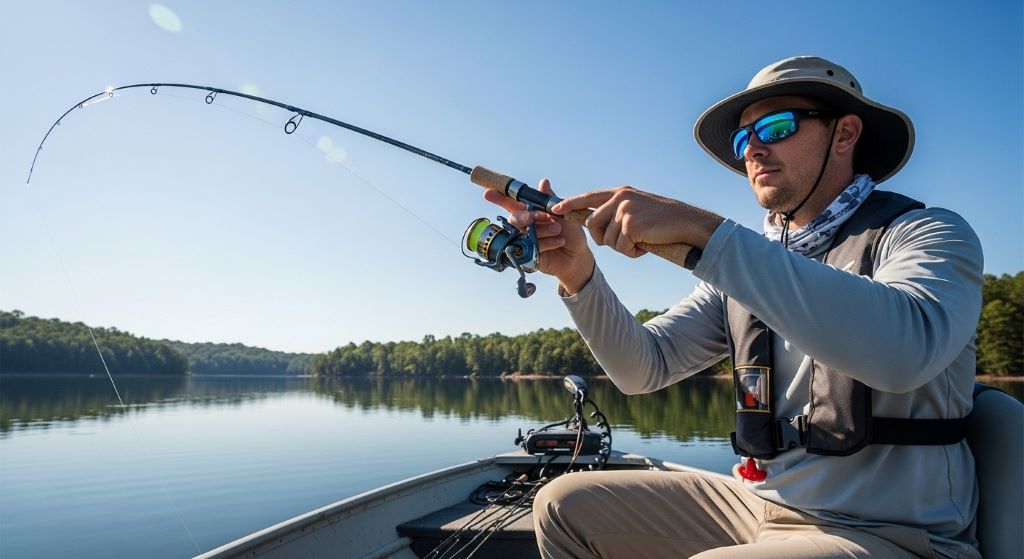
Handle Design and Comfort
The handle represents your primary contact point with the rod. Its design affects comfort, sensitivity, and control during long fishing sessions. Common materials include cork, EVA foam, and various synthetic options, each offering different characteristics.
Cork remains popular because it’s lightweight, comfortable, and provides excellent grip even when wet. Quality cork feels pleasant in hand and lasts many seasons with proper care. However, it requires more maintenance than synthetic alternatives and can deteriorate if not cleaned regularly.
EVA foam offers durability and low maintenance at a lower price point. It provides good grip and comfort while resisting water damage and mildew. Many anglers appreciate that EVA maintains consistent feel regardless of weather conditions or moisture.
Handle length depends on fishing style and personal preference. Longer handles provide leverage for longer casts and better control when fighting large fish. Shorter handles reduce weight and improve balance for finesse techniques and situations requiring one-handed casting.
Split-grip handles feature fore and aft grip sections separated by exposed blank. This design reduces weight and allows you to feel vibrations directly through the blank. Full-grip handles provide more hand placement options and work better in cold weather when you want maximum insulation.
Reel Seat Quality and Functionality
The reel seat secures your reel to the rod and transfers force during casts and hook sets. Quality reel seats lock firmly without slipping and last through years of use. Cheap seats develop play or fail, compromising your entire setup’s performance.
Most modern spinning rods use either graphite or aluminum reel seats. Graphite seats reduce weight and transmit vibrations well, making them popular on finesse rods. Aluminum seats offer maximum strength and durability for rods designed to handle larger fish.
Down-locking reel seats position the locking mechanism below the reel foot, keeping the reel closer to your hand. This configuration improves balance and sensitivity. Up-locking seats place the mechanism above the reel, providing a different balance point that some anglers prefer.
Additionally, check that the reel seat accommodates your reel’s foot size. Most spinning reels use standard sizing, but confirming compatibility prevents frustrating surprises. The seat should hold your reel securely without requiring excessive tightening that might damage components.
Matching Rod to Target Species
Different fish species require different rod characteristics for optimal success. Understanding what you’ll fish for most often helps narrow your choices significantly.
Bass fishing generally calls for medium to medium-heavy power rods with fast action. These characteristics provide the backbone needed for setting hooks in bony mouths while offering enough sensitivity to detect subtle bites. Lengths between 6’6″ and 7’6″ cover most bass fishing situations effectively.
Trout fishing typically works best with light to medium-light power rods featuring moderate to fast action. These lighter rods protect delicate tippets and make fighting smaller fish more enjoyable. Shorter lengths around six to seven feet provide better control in streams and small waters.
Walleye anglers often prefer medium power rods with fast tips for detecting light bites. These fish feed subtly, requiring sensitive equipment to detect their gentle takes. A 6’6″ to 7′ rod provides good versatility for various walleye techniques.
Panfish like crappie and bluegill work perfectly with ultra-light to light power rods. These smaller species don’t require heavy equipment, and lighter tackle makes catching them much more exciting. A 5’6″ to 6’6″ rod with light power offers tremendous fun with these abundant fish.
Pike and musky demand heavy power rods that can handle aggressive fights and set hooks in tough mouths. These predators require substantial backbone and durable construction. Rods from 7′ to 8′ with heavy power and fast action work well for these toothy species.
Testing Rods Before Purchase
Whenever possible, physically handle rods before buying. Even researching thoroughly online can’t replace the feel of a rod in your hands. Visit tackle shops and test multiple options to understand what feels right for you.
Flex the rod gently to assess its action. Fast action rods bend primarily in the upper third, while moderate action rods curve through the middle. Notice how the rod recovers from bending, which indicates quality and power.
Check the balance point by holding the rod at the reel seat with a reel attached. A well-balanced rod feels natural and doesn’t create hand fatigue. Tip-heavy rods tire you quickly, while butt-heavy rods feel awkward during casting motions.
Inspect build quality closely. Look for even thread wraps on guides, smooth finish on the blank, and secure reel seat mounting. Quality control varies between manufacturers, and close inspection reveals potential problems before purchase.
Budget Considerations and Value
Spinning rods range from under $30 to several hundred dollars. While price generally correlates with quality, you don’t need the most expensive option to catch fish successfully. Understanding what different price points offer helps you find the best value for your budget.
Entry-level rods under $50 work fine for beginners learning basic techniques. They won’t offer premium sensitivity or lightweight construction, but they’ll catch fish reliably. These rods help you develop skills before investing in expensive equipment.
Mid-range rods between $50 and $150 provide the best value for most anglers. This price point includes many excellent freshwater rods featuring quality components and good performance. You’ll find plenty of options that balance sensitivity, durability, and affordability.
Premium rods above $150 offer cutting-edge materials and superior craftsmanship. They provide maximum sensitivity, minimal weight, and often include lifetime warranties. Serious anglers who fish frequently appreciate these performance advantages.
However, remember that expensive rods don’t catch fish automatically. Technique, knowledge, and time on the water matter more than premium equipment. Start with quality mid-range options and upgrade as your skills and dedication increase.
Warranty and Customer Support
Warranty coverage indicates manufacturer confidence in their products. Many reputable brands offer limited lifetime warranties covering defects and sometimes even accidental breakage. Understanding warranty terms before purchase protects your investment.
Some manufacturers repair or replace broken rods regardless of cause, charging only shipping fees. Others cover manufacturing defects but not user damage. Read warranty details carefully and keep purchase receipts for potential claims.
Customer service quality varies significantly between brands. Companies with responsive support departments make warranty claims smooth and hassle-free. Research customer experiences through online reviews and fishing forums before committing to a brand.
Additionally, consider availability of replacement parts. Some manufacturers stock guides, tips, and other components for DIY repairs. This availability extends rod life and reduces costs if minor damage occurs.
Caring for Your Investment
Proper maintenance extends your rod’s life significantly. After each fishing trip, rinse the rod with fresh water to remove dirt, salt, and debris. Pay special attention to guides and the reel seat where buildup commonly occurs.
Store rods in protective cases or racks that prevent them from leaning or bending. Never store them in hot cars or direct sunlight, which can damage blank materials and weaken adhesives. A cool, dry location preserves rod integrity for years.
Inspect guides regularly for cracks or grooves that might damage line. Check thread wraps for loosening and repair small problems before they worsen. Tighten reel seat locking nuts if they develop play.
Transport rods carefully in rod tubes or cases that protect them from impact damage. Breaking a rod tip in a car door or trunk lid represents an easily preventable disaster. A little care during transport saves expensive repairs or replacements.
Making Your Final Decision
After considering all these factors, you’re ready to choose the best spinning rod for your needs. Start by identifying your primary target species and fishing locations. These factors determine the power, action, and length requirements for your ideal rod.
Set a realistic budget that balances your financial situation with your fishing frequency. Serious anglers who fish weekly benefit from premium equipment, while occasional anglers find excellent value in mid-range options.
Prioritize features that matter most for your fishing style. Sensitivity matters greatly for finesse techniques, while durability becomes crucial for fishing in heavy cover or targeting aggressive species. No single rod excels at everything, so focusing on your actual needs prevents wasting money on unnecessary features.
Don’t overlook the importance of how a rod feels in your hands. Comfort and confidence with your equipment directly affect your fishing success and enjoyment. Therefore, testing multiple options before purchasing pays dividends in satisfaction and performance.
Conclusion
Selecting the best spinning rod for freshwater fishing involves balancing numerous factors including length, power, action, and materials. Understanding how these characteristics affect performance helps you choose equipment that matches your fishing style and target species.
Lightweight fishing rods offer reduced fatigue and increased sensitivity, while graphite rods provide excellent performance across various applications. Freshwater rods come in numerous configurations, each designed for specific situations and species.
Remember that the best rod for you depends on where you fish, what you target, and your personal preferences. Quality equipment enhances your fishing experience, but technique and knowledge remain the most important factors in consistent success. Start with a versatile mid-range option that handles your most common fishing situations, then expand your collection as you develop specialized techniques.
By considering all the factors discussed in this guide, you’ll find a spinning rod that serves you well for many seasons of enjoyable fishing adventures.
Frequently Asked Questions
What’s the best all-around spinning rod length for freshwater fishing?
A 7-foot medium power rod with fast action works excellently for most freshwater situations. This length provides good casting distance while maintaining accuracy and control. It handles everything from bass to trout effectively, making it the most versatile choice for anglers who fish various species and locations.
Should beginners choose graphite or fiberglass spinning rods?
Beginners often benefit from fiberglass or composite rods because they’re more forgiving and durable. These materials tolerate learning mistakes better than brittle graphite. However, modern graphite rods have become more affordable and durable, making them viable for beginners who want excellent sensitivity and lightweight performance from the start.
How much should I spend on my first spinning rod?
Plan to spend between $50 and $100 for your first quality spinning rod. This price range offers excellent value with decent sensitivity, durability, and build quality. Avoid the cheapest options under $30, which often feature poor components that break easily and frustrate beginners trying to develop their skills.
Can I use the same spinning rod for bass and trout?
While possible, separate rods provide better performance for each species. Bass typically require medium to medium-heavy power rods, while trout fishing works best with light to medium-light power. A medium power rod with moderate-fast action offers reasonable compromise if you must choose only one rod for both species.
How do I know when it’s time to replace my spinning rod?
Replace your rod when you notice cracks in the blank, damaged guides that groove your line, or loose components that can’t be tightened properly. Additionally, if the rod no longer feels responsive or has developed a permanent bend, replacement improves your fishing experience. Quality rods last many years with proper care and maintenance.
Related Topics:
10 Must-Have Fishing Accessories That Make Every Trip Easier
5 Common Fishing Mistakes Beginners Make and How to Fix Them


