
Heavy rainstorms are a test of your roof’s resilience, but what happens when that protective barrier falters? A leaking roof can wreak havoc, especially during a downpour, risking costly water damage to your home. Fortunately, there are temporary fixes that can help minimize the damage until professional repairs can be arranged. Whether you need a quick fix to protect your belongings or a way to prevent further harm, these solutions will buy you the time you need to call in the experts.
For a wealth of home repair resources, explore Shahraradecor and discover tailored solutions for roofing, interiors, and more.
Identify the Source of the Leak First
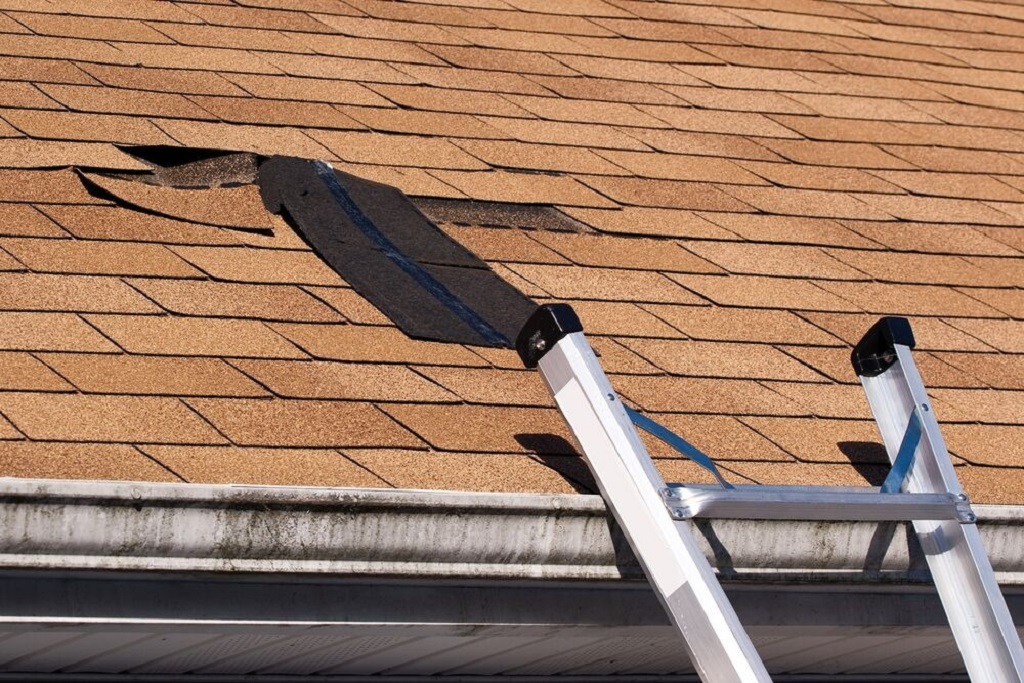
Understanding where the leak originates is critical for effective temporary repairs. A roof leak can stem from damaged shingles, cracked flashing, or worn seals around vents and chimneys. Pinpointing the issue is half the battle. If possible, inspect the attic during rainfall to follow water trails. Often, leaks are deceptively far from the water’s entry point, as gravity directs it to the nearest opening.
Pro tip: Use a flashlight to spot water reflecting off surfaces. If you notice discoloration or dripping, mark the area for repair.
Tools to Assist in Leak Identification:
- A flashlight or headlamp for precise visibility.
- Chalk to mark suspected areas.
- Waterproof gloves to protect your hands.
Remember, identifying the problem promptly reduces potential water damage to your ceilings and walls.
Use a Tarp to Cover the Damaged Area
One of the simplest and most effective temporary fixes for a leaking roof during heavy rain is to use a tarp. A high-quality, waterproof tarp can provide an immediate barrier against the downpour, keeping your home dry and safe. To secure the tarp, use nails or heavy objects, ensuring it stretches taut over the damaged section.
Step-by-Step Guide for Tarp Installation:
- Measure the area to ensure the tarp covers the leak entirely.
- Stretch the tarp from the eaves to the peak to prevent water pooling.
- Fasten the edges securely with roofing nails or duct tape.
This quick solution not only protects your interiors but also prevents additional roof damage until a professional can address the issue.
Additionally, if you’re dealing with a pigeon problem on the roof, check out this guide to prevent further damage caused by their activity.
Apply Roofing Tape for Small Cracks and Holes
Roofing tape is a lifesaver for small leaks, offering a straightforward solution for sealing minor cracks or holes. This material is adhesive and waterproof, sticking effectively to surfaces even during heavy rain. Roofing tape is widely available and easy to apply, making it a handy addition to any emergency toolkit.
Why Roofing Tape Works:
- It creates a watertight seal instantly.
- It’s resistant to temperature fluctuations, ensuring durability.
- Application is quick, requiring no additional tools.
Simply clean the area to ensure proper adhesion, then press the tape firmly over the leak. While not a long-term solution, roofing tape can hold up well for weeks, giving you ample time to schedule professional repairs.
Divert Water with Buckets and Plastic Sheets
If you’re unable to address the leak immediately, diverting water can save your floors, furniture, and electronics from significant damage. Place buckets beneath the dripping area to catch water and use plastic sheets to shield vulnerable areas.
Additional Tips for Water Diversion:
- Use absorbent towels around the bucket’s base to catch splashes.
- Position the plastic sheets at an angle to direct water into a bucket or basin.
- Regularly empty the buckets to avoid overflow.
While this method doesn’t resolve the leak, it minimizes damage and keeps your living spaces manageable.
Seal the Leak with Roofing Cement
For slightly larger leaks, roofing cement is an excellent stopgap measure. This thick, tar-like substance adheres strongly to surfaces, even in wet conditions, making it ideal for emergency repairs. Roofing cement is especially effective for sealing cracks around flashing, vents, and damaged shingles.
How to Use Roofing Cement:
- Clean the area around the leak to remove debris.
- Apply the cement generously over the crack or hole.
- Smooth it out with a putty knife for an even seal.
This method can provide a temporary solution for weeks, but remember that roofing cement is not a substitute for professional repair.
Replace Missing Shingles
Heavy winds accompanying rainstorms can dislodge shingles, leaving your roof vulnerable to leaks. Temporarily replacing missing shingles can help restore your roof’s integrity. Use spare shingles or, in a pinch, heavy-duty plastic as a substitute.
Read More Also: Crafting the Perfect Family Home Purchase: Essentials and Insights
Installation Tips:
- Secure the temporary shingle with roofing nails.
- Apply roofing cement along the edges to seal gaps.
- Ensure the material aligns with surrounding shingles to direct water flow correctly.
FAQs
How can I prevent further damage from a leaking roof during heavy rain?
Quick fixes like using a tarp, buckets, or roofing tape can minimize immediate damage. Ensure you schedule a professional inspection soon.
Is it safe to fix a leaking roof during a storm?
Climbing onto a roof during heavy rain is unsafe. Focus on interior fixes, such as diverting water, and address external repairs once conditions improve.
Can I use duct tape to stop a roof leak?
Duct tape is not recommended as it’s not waterproof. Opt for roofing tape or cement for a temporary fix.
How do I know if a roof leak requires professional repair?
Persistent leaks, extensive damage, or structural issues demand professional attention. Temporary fixes are just that—temporary.
What materials should I have on hand for roof emergencies?
A tarp, roofing tape, buckets, plastic sheeting, and roofing cement are essential for quick fixes.
Why do I need to address a pigeon problem on my roof?
Pigeons can damage roofing materials, exacerbate leaks, and cause blockages. Addressing this issue promptly prevents further complications.
Conclusion
Temporary fixes for a leaking roof during heavy rain are a homeowner’s first line of defense against costly water damage. Whether you use a tarp, roofing tape, or diversion methods, these solutions provide immediate relief until professional help arrives. Always prioritize safety when handling roof repairs and consult experts for lasting solutions.