

Investing in quality luggage makes all the difference when you travel frequently. A well-made bag saves you money over time and provides reliable performance trip after trip. Whether you’re planning weekend getaways or extended adventures, selecting the right bag requires careful consideration of materials, construction, and practical features.
Many travelers replace their bags every few years due to broken zippers, torn fabric, or failing straps. However, this cycle becomes unnecessary when you choose wisely from the start. Understanding what separates exceptional bags from mediocre ones helps you make informed decisions that pay dividends for years to come.
Understanding Material Quality
The fabric forms the foundation of any reliable bag. Different materials offer varying levels of protection and longevity. Ballistic nylon stands out as one of the strongest options available. Originally developed for military applications, this material resists abrasion exceptionally well and holds up under extreme conditions.
Cordura nylon presents another excellent choice for travelers seeking durability. This fabric features a textured surface that distributes stress evenly across the material. Additionally, it maintains its strength even after repeated exposure to water and sunlight. Many outdoor enthusiasts prefer Cordura for its proven track record in harsh environments.
Canvas offers a more traditional alternative with impressive staying power. While not synthetic, heavy-duty canvas brings natural toughness to the table. Modern treatments enhance its water resistance without sacrificing breathability. Furthermore, canvas develops a distinguished patina over time rather than looking worn out.
Polyester serves as a lighter option that still delivers adequate protection. High-denier polyester combines strength with reduced weight, making it ideal for those who prioritize easy carrying. Nevertheless, examining the denier count becomes crucial since higher numbers indicate thicker, more robust fibers.
Construction Techniques That Matter
How manufacturers assemble components determines whether a bag survives years of use or falls apart quickly. Double-stitched seams provide significantly more strength than single-stitched alternatives. Look for reinforced stress points at handle attachments and bottom corners where wear concentrates most heavily.
Bar-tacking represents another critical construction element. These reinforced stitch patterns appear as small rectangles or X-shapes at high-stress areas. They prevent fabric from tearing away from straps or zippers. Quality manufacturers never skip this essential step.
Bonded threads resist moisture and abrasion better than standard threads. They maintain their integrity even when exposed to rain, snow, or salty air. Moreover, UV-resistant threads prevent deterioration from sun exposure during outdoor storage or beach trips.
The base of your bag deserves special attention since it contacts rough surfaces constantly. Reinforced bottoms with extra layers or protective panels extend lifespan dramatically. Some bags incorporate plastic or rubber feet that elevate the main fabric off the ground, preventing direct abrasion.
Zipper Quality and Design
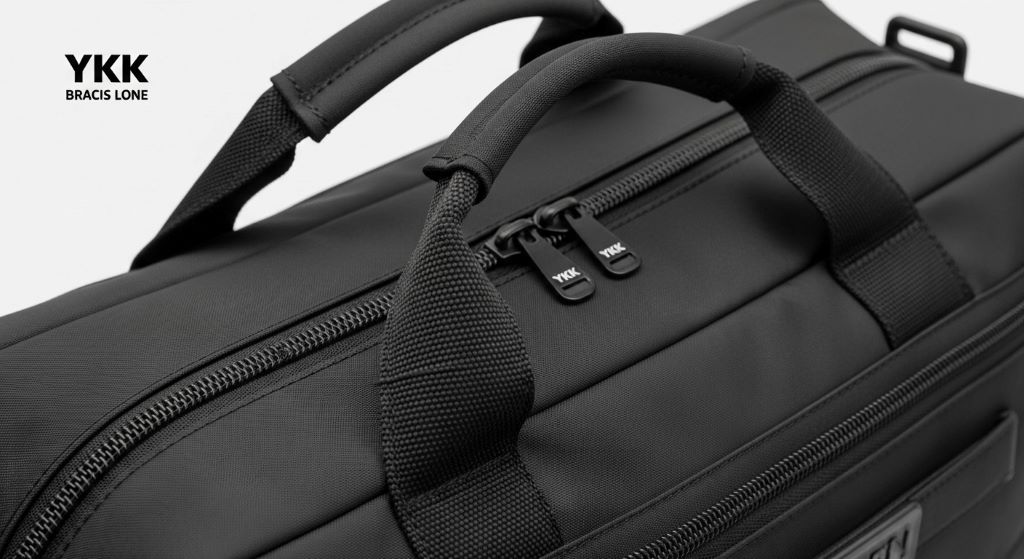
Zippers often fail before any other component on poorly made bags. Investing in a long lasting travel bag means prioritizing robust zipper systems. YKK zippers have earned their reputation through decades of reliable performance across countless products.
Self-repairing zippers feature specially designed teeth that realign automatically if they separate. This innovation prevents the frustrating situation where zipper halves come apart mid-journey. Additionally, these systems maintain smooth operation even after thousands of open-close cycles.
Zipper placement affects both functionality and durability. Main compartment zippers that extend around three sides provide easy access but create more potential failure points. Two-way zippers let you open bags from either end, distributing wear across more pulls and reducing stress on any single zipper head.
Weather-resistant zipper guards protect the teeth from rain and dirt. These protective flaps overlap the zipper when closed, creating a barrier against environmental hazards. Furthermore, they prevent accidental snagging on clothing or other items during packing.
Handle and Strap Durability
Carrying handles endure tremendous force every time you lift a packed bag. Padded handles increase comfort while distributing weight more evenly across the material. However, padding alone doesn’t ensure longevity. The attachment method determines whether handles stay secure over time.
Sewn-through attachments where straps loop completely around reinforcement bars provide maximum security. Riveted attachments offer decent strength but may eventually work loose under heavy loads. Therefore, examining how manufacturers connect straps to the bag body reveals much about overall quality.
Shoulder straps require adjustable length to accommodate different body types and carrying preferences. Metal hardware typically outlasts plastic components, though high-grade polymers perform adequately in many situations. Quick-release buckles should click firmly into place and resist accidental opening even when jostled.
Detachable straps increase versatility but introduce additional failure points. If you prefer this feature, verify that attachment clips use robust materials and locking mechanisms. Otherwise, a permanently attached strap eliminates one potential weakness.
Water Resistance and Weather Protection
While few bags claim complete waterproofing, good water resistance protects contents from light rain and splashes. Fabric treatments create a barrier that causes water to bead up and roll off rather than soaking through. These treatments require reapplication periodically but significantly extend usable life by preventing moisture damage.
Sealed seams prevent water from seeping through stitching holes. Manufacturers apply waterproof tape over seams on the interior, creating a continuous barrier. This feature proves especially valuable for heavy duty duffel options intended for outdoor adventures or marine environments.
Water-resistant zippers incorporate special coatings or structures that resist moisture penetration. Even if the main fabric gets wet, these zippers keep the interior dry. Additionally, they prevent rust and corrosion that compromise standard metal zippers over time.
Roll-top closures provide superior weather protection compared to standard zippers. By folding the opening several times and securing it with buckles, you create a nearly waterproof seal. This design works particularly well for water sports enthusiasts and travelers visiting rainy destinations.
Size Considerations and Versatility
Choosing the right size prevents overpacking while ensuring adequate space for your needs. Carry-on compliant bags measure no more than 22 by 14 by 9 inches for most airlines. Staying within these dimensions lets you avoid checked baggage fees and keeps belongings accessible throughout your journey.
Medium-sized bags ranging from 50 to 70 liters suit weekend trips and short vacations. They hold enough clothing and gear without becoming unwieldy. However, larger sizes between 80 and 100 liters accommodate extended trips or bulky equipment like camping gear.
Expandable compartments add flexibility without forcing you to carry excess capacity when unnecessary. Zippered expansion panels increase volume by 20 to 30 percent when needed. Furthermore, they compress down to maintain a sleek profile for lighter packing.
Multiple compartments help organize contents and distribute weight evenly. Separate shoe compartments isolate dirty items from clean clothing. Internal dividers prevent items from shifting during transport, which reduces wear on both contents and bag interior.
Warranty and Brand Reputation
Manufacturer warranties signal confidence in product durability. Lifetime warranties demonstrate a commitment to quality and customer satisfaction. Nevertheless, reading the fine print reveals what coverage actually includes and what circumstances void protection.
Limited warranties typically cover defects in materials and workmanship for specific time periods. These policies address manufacturing flaws but exclude damage from misuse or normal wear. Therefore, understanding warranty terms helps set realistic expectations about long-term support.
Brand reputation provides valuable insights into real-world performance. Companies with decades of experience often maintain higher quality standards. Additionally, established brands typically offer better customer service and honor warranties more consistently than unknown manufacturers.
Customer reviews reveal common failure points and durability issues that marketing materials overlook. Look for patterns in feedback rather than focusing on isolated complaints. Similarly, professional reviews from outdoor and travel publications provide expert perspectives based on rigorous testing.
Maintenance for Maximum Lifespan
Regular cleaning prevents dirt and grime from degrading fabric and components. Empty all compartments and shake out loose debris after each trip. Spot clean stains promptly using mild soap and water rather than letting them set.
Deep cleaning once or twice yearly maintains appearance and functionality. Most bags tolerate hand washing in lukewarm water with gentle detergent. Avoid machine washing unless explicitly approved by the manufacturer, as agitation and heat can damage waterproof coatings and structural elements.
Proper storage extends periods between uses without damage. Store bags in cool, dry locations away from direct sunlight. Stuff them loosely with newspaper or bubble wrap to maintain shape rather than folding them flat, which creates permanent creases.
Zipper maintenance keeps these critical components operating smoothly. Apply zipper lubricant or beeswax along the teeth several times per year. This simple step prevents sticking and reduces wear on both teeth and pulls.
Special Features Worth Considering
Lockable zippers add security when leaving bags unattended or checking them during flights. Small loops accommodate padlocks or cable ties that deter opportunistic theft. However, TSA-approved locks allow security personnel to inspect contents without breaking your locks.
Compression straps cinch down partially filled bags to reduce bulk. They also help stabilize contents during transport by preventing excessive shifting. Moreover, external compression points let you attach additional gear like sleeping bags or jackets.
Ventilated compartments prevent odor buildup from damp clothing or shoes. Mesh panels allow airflow while containing items securely. This feature proves particularly valuable for gym bags or travel following water activities.
Reflective elements improve visibility in low-light conditions. Though primarily a safety feature, reflective strips also help locate bags quickly in crowded areas or dimly lit hotel rooms. Additionally, they add a modern aesthetic touch.
Price Versus Value
Budget-friendly options under fifty dollars rarely incorporate the materials and construction needed for long-term durability. While initially attractive, these bags often require replacement within a year or two of regular use. Therefore, the apparent savings disappear when you factor in replacement costs.
Mid-range bags between seventy-five and one hundred fifty dollars typically offer the best value for most travelers. They incorporate quality materials and solid construction without premium brand markups. Furthermore, this price point usually includes decent warranties and customer support.
Premium bags exceeding two hundred dollars justify their cost through exceptional materials, innovative features, and lifetime warranties. Professional travelers and outdoor enthusiasts often find these investments worthwhile given their demanding usage patterns. Nevertheless, casual users may not fully utilize these advanced capabilities.
Sales and off-season purchasing provide opportunities to acquire quality bags at reduced prices. Last year’s colors or models often sell at significant discounts despite identical construction to current offerings. Additionally, factory outlet stores carry first-quality goods at lower prices than traditional retail channels.
Making Your Final Decision
Testing bags in person whenever possible helps assess quality firsthand. Examine stitching closely for tight, even patterns without loose threads. Pull on straps and handles to verify secure attachment points. Open and close zippers multiple times to ensure smooth operation.
Weight considerations become important for travelers who carry bags long distances. However, ultralight construction sometimes sacrifices durability for weight savings. Finding the right balance between these factors depends on your specific needs and usage patterns.
Your intended use should drive feature selection. Business travelers prioritize organizational compartments and professional appearance. Adventure travelers need weather resistance and rugged construction. Weekend warriors seek versatility and easy packing.
Reading detailed specifications helps compare options objectively. Pay attention to fabric type, denier ratings, zipper brands, and warranty terms. These concrete details reveal more about quality than marketing descriptions or attractive designs.
Conclusion
Selecting a heavy duty duffel that lasts for years requires attention to materials, construction, and features that match your travel style. Quality fabrics like ballistic nylon or Cordura provide the foundation for durability. Robust construction techniques including reinforced stitching and bar-tacking ensure components stay together under stress.
Reliable zippers, comfortable straps, and adequate weather protection separate exceptional bags from mediocre alternatives. Additionally, proper maintenance extends lifespan significantly regardless of initial quality. While premium options cost more upfront, they deliver better value over time by eliminating frequent replacements.
Investing wisely in luggage pays dividends through years of reliable service. A well-chosen bag becomes a trusted travel companion that handles whatever adventures you pursue. Therefore, taking time to research and select carefully ensures satisfaction with your purchase for many journeys ahead.
Frequently Asked Questions
What is the most durable material for travel bags?
Ballistic nylon offers the highest durability among commonly available materials. It resists tears, punctures, and abrasion better than standard fabrics. Cordura nylon provides similar performance at slightly lower cost while maintaining excellent longevity.
How can I tell if a duffel bag is well-made?
Examine the stitching for tight, even patterns with reinforced stress points. Check that zippers operate smoothly and bear reputable brand names like YKK. Quality bags feature bar-tacking at strap attachments and double-stitched seams throughout.
Are expensive duffel bags worth the investment?
Premium bags justify higher prices through superior materials, better construction, and longer warranties. For frequent travelers, the extended lifespan and reliability offset initial costs. Occasional users may find mid-range options provide adequate quality at better value.
How often should I clean my duffel bag?
Spot clean after each trip to remove fresh stains and dirt. Perform deep cleaning two to three times yearly depending on usage frequency. Regular maintenance prevents buildup that degrades materials and extends overall lifespan significantly.
What size duffel bag works best for weekend trips?
Bags between 40 and 60 liters typically accommodate weekend travel needs comfortably. This size holds two to three days of clothing plus toiletries without excess bulk. Ensure dimensions comply with airline carry-on restrictions if avoiding checked baggage.
Related Topics:
Materials Used in Coach Outlet Bags: A Comprehensive Guide
Dallas Bag Care and Cleaning Tips for High-End Bags