

Cold water shouldn’t stop you from enjoying your favorite water sports. Heated wetsuits have revolutionized winter surfing, diving, and paddleboarding by keeping athletes warm in frigid conditions. However, many people assume these technological marvels come with astronomical price tags that put them out of reach.
The truth is that you don’t need to spend thousands of dollars to stay warm in cold water. Smart shopping and knowing what features matter most can help you find quality heated wetsuits at reasonable prices. This guide will show you exactly how to identify value, avoid common pitfalls, and make an informed purchase that keeps you comfortable without draining your bank account.
Understanding How Heated Wetsuits Actually Work
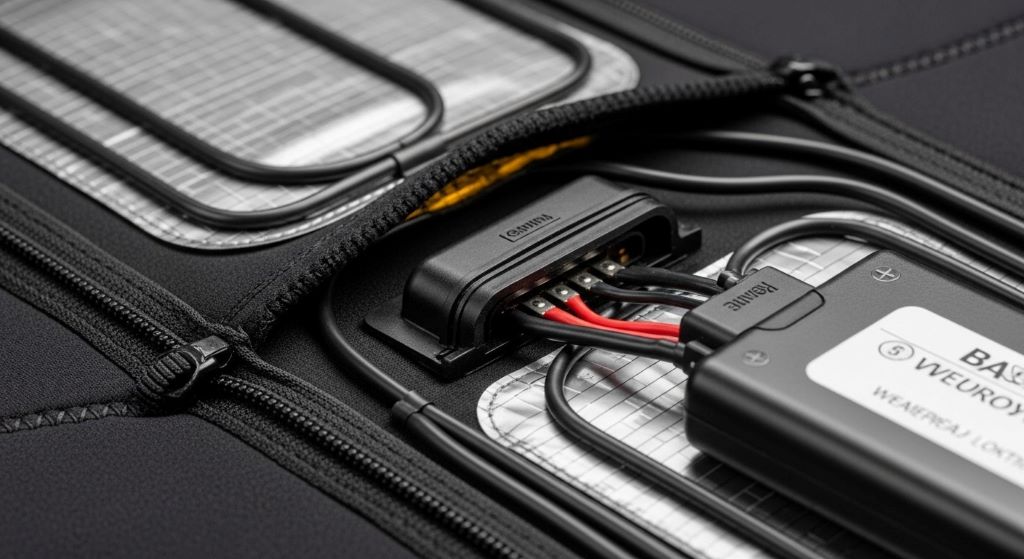
Before diving into shopping strategies, it’s helpful to understand the technology you’re buying. Heated wetsuits use thin, flexible heating elements integrated into the neoprene material. These elements connect to a battery pack that powers the heating system.
Most systems use carbon fiber or similar conductive materials woven into panels. When electricity flows through these panels, they generate warmth that radiates into your body. The heating zones typically cover your chest, back, and sometimes your kidneys, which are the core areas that most affect your overall body temperature.
Battery packs have evolved significantly in recent years. Modern lithium-ion batteries are smaller, lighter, and more efficient than older models. They’re usually waterproof and positioned in a pocket where they won’t interfere with your movement.
Temperature control varies by model. Some wetsuits offer multiple heat settings, while others provide a single temperature option. More expensive models often include smartphone connectivity and precise temperature control, but these features aren’t essential for most users.
Why Budget Heated Wetsuit Options Make Sense
Premium heated wetsuits can cost upwards of two thousand dollars. However, a budget heated wetsuit at a fraction of that price can deliver similar warmth and comfort for recreational users.
The main differences between expensive and affordable models usually involve brand name recognition, additional features, and materials quality. Unless you’re a professional athlete spending hours daily in freezing water, you probably don’t need the absolute top-tier option.
Entry-level models have improved dramatically over the past few years. Manufacturers have refined their production processes, making reliable heated wetsuits more accessible to average consumers. Competition in the market has also driven prices down while pushing quality standards up.
Consider your actual usage patterns. If you surf or dive a few times per month during cold seasons, a moderately priced wetsuit will serve you well. Save the premium investment for when you’re certain heated wetsuits are essential to your routine.
Key Features That Actually Matter
When evaluating affordable options, focus on the features that genuinely impact performance rather than marketing hype. Not every advertised benefit translates to real-world value.
Battery life stands as the most critical factor. Look for systems that provide at least three to four hours of continuous heat on medium settings. This duration covers most recreational sessions comfortably. Additionally, check how long the battery takes to recharge between uses.
Heating zone placement affects how warm you feel. Core heating around your chest and back provides the most benefit because warming your core keeps your entire body comfortable. Limb heating sounds appealing but adds weight and cost without proportional benefits for most users.
Wetsuit thickness works together with heating elements. A 4/3mm wetsuit with heating performs differently than a 3/2mm heated suit. Thicker neoprene provides more insulation but reduces flexibility. Consider your local water temperatures when choosing thickness.
Waterproofing quality determines how long your investment lasts. The battery compartment and electrical connections must be completely sealed. Even affordable models should offer reliable waterproofing. Check reviews specifically mentioning water intrusion issues.
Durability matters more than fancy features. Examine seam construction and neoprene quality. Glued and blind-stitched seams prevent water entry better than basic stitching. The neoprene should feel supple, not stiff or plasticky.
Where to Find the Best Deals
Knowing where to shop makes a tremendous difference in price. Different retailers target different market segments, and some consistently offer better values than others.
Direct manufacturer websites sometimes offer the best prices because they eliminate middleman markups. However, they also tend to have stricter return policies. Sign up for email newsletters to catch sales and promotional discounts.
Online marketplaces provide extensive selection and competitive pricing. You can compare multiple brands quickly and read customer reviews. Nevertheless, be cautious about counterfeit products or outdated models being sold as new.
Specialty water sports retailers employ knowledgeable staff who can answer technical questions. They typically charge higher prices but offer valuable expertise and better return policies. Visit these stores to try on different sizes and styles, then decide whether the price premium justifies the service.
End-of-season sales present excellent opportunities for savings. Retailers discount winter gear heavily in spring to clear inventory. You might find last year’s models at substantial markdowns. These older versions often perform just as well as current releases.
Second-hand markets deserve consideration, especially for trying heated wetsuits initially. Many people buy these suits, use them briefly, then sell them. You can find barely used options at significant discounts. However, inspect battery condition carefully and verify all heating elements function properly.
Timing Your Purchase for Maximum Savings
When you buy matters almost as much as what you buy. Strategic timing can save you hundreds of dollars on the same product.
Black Friday and Cyber Monday consistently deliver the year’s best deals on water sports equipment. Many manufacturers offer their deepest discounts during this period. Start researching options in October so you know exactly what to buy when sales begin.
Post-holiday clearances in January and February provide another opportunity. Retailers want to move winter inventory to make room for spring products. Patience during this period often pays off handsomely.
Pre-season sales in early fall can also yield savings. Manufacturers want to build momentum before peak season. They sometimes offer promotional pricing to early buyers.
However, don’t wait for sales if you need the wetsuit immediately. Missing out on water time costs more than you save. Calculate whether the potential discount justifies delaying your purchase.
Evaluating Different Price Tiers
Heated wetsuits generally fall into three price categories. Understanding what each tier offers helps you make informed decisions.
The entry-level heated wetsuit category typically ranges from three hundred to six hundred dollars. These suits provide basic heating functionality with fewer temperature settings and simpler battery systems. They work perfectly well for recreational users who want warmth without complexity.
Mid-range options cost between six hundred and twelve hundred dollars. They offer better neoprene quality, more refined heating zones, and improved battery life. This category represents the sweet spot for serious hobbyists who use their wetsuits regularly.
Premium models exceed twelve hundred dollars and can reach three thousand or more. They include advanced features like app connectivity, rapid heating, and superior materials. Professional athletes and extreme cold water enthusiasts benefit most from this tier.
For most people, mid-range suits provide the best value. They deliver professional-grade warmth and durability without the premium price tag. Unless you have specific needs that demand top-tier features, investing in this category makes practical sense.
Reading Between the Lines of Product Descriptions
Marketing language can obscure what you’re actually getting. Learning to decode product descriptions helps you identify genuine value versus empty promises.
Terms like “military-grade” or “professional quality” sound impressive but mean little without specific details. Instead, look for concrete specifications about battery capacity, heating element materials, and temperature ranges.
Vague claims about “all-day warmth” should prompt questions about actual battery life in hours. Similarly, “rapid heating” needs clarification about how quickly the suit reaches target temperatures.
Pay attention to what’s included versus what costs extra. Some manufacturers advertise low base prices but charge separately for batteries, chargers, or essential accessories. Calculate the total cost of everything you need for a fair comparison.
Warranty coverage reveals manufacturer confidence in their product. Longer warranties typically indicate better build quality. However, read the fine print about what’s covered and exclusion clauses.
Testing and Fitting Considerations
Unlike regular wetsuits, you can’t always try heated versions before buying, especially when shopping online for the best prices. Therefore, understanding fit becomes crucial.
Heated wetsuits should fit snugly without restricting movement. Too loose, and water enters, reducing both insulation and heating efficiency. Too tight, and you’ll feel uncomfortable and restricted. Most manufacturers provide detailed sizing charts based on height, weight, and chest measurements.
Consider ordering from retailers with generous return policies when buying online. This safety net lets you try the wetsuit at home and return it if the fit isn’t right. Some companies even encourage ordering multiple sizes to find the perfect match.
If possible, test in water before your first real session. Fill a bathtub with cold water and sit in it wearing the wetsuit. This controlled environment lets you evaluate heating performance and comfort without commitment to ocean or lake conditions.
Check all electrical components thoroughly upon arrival. Ensure the battery charges properly, all heating zones activate, and temperature controls function as described. Address any issues immediately while you’re still within the return window.
Maintaining Your Investment for Longevity
Proper care extends the life of any wetsuit significantly. Following maintenance best practices protects your investment and ensures consistent performance.
Rinse your wetsuit thoroughly with fresh water after every use. Salt, sand, and chlorine degrade neoprene and electrical components over time. Pay special attention to zippers, seams, and battery compartments.
Dry the suit inside out, away from direct sunlight. Hang it on a wide hanger that supports the shoulders evenly. Never use a wire hanger, which can damage the material. Avoid folding or creasing the wetsuit, especially near heating elements.
Store batteries separately at partial charge when not in use. Lithium-ion batteries last longer when stored at around fifty percent capacity. Fully charging or completely draining them repeatedly shortens their lifespan.
Inspect heating elements and connections regularly. Look for any fraying, corrosion, or damage to wires. Address small issues immediately before they become major problems requiring expensive repairs.
Apply wetsuit conditioner periodically to keep neoprene supple. This treatment prevents cracking and maintains flexibility. However, avoid getting conditioner on electrical components or battery contacts.
Common Mistakes to Avoid
First-time buyers often make preventable errors that cost money or result in disappointing purchases. Learning from others’ mistakes saves you frustration.
Choosing size based on street clothes measurements rather than wetsuit sizing leads to poor fit. Wetsuits size differently than regular clothing. Always consult manufacturer-specific size charts and measure yourself accurately.
Focusing exclusively on price without considering total cost of ownership creates false savings. A cheap heated surf wetsuit that breaks after one season costs more than a moderately priced option lasting five years. Factor in durability and warranty coverage.
Ignoring customer reviews, especially those mentioning specific problems, sets you up for disappointment. If multiple reviewers mention the same issue, believe them. One person might have a defective unit, but consistent complaints indicate systemic problems.
Buying the wrong thickness for your climate wastes money. Research typical water temperatures in your area. A 5/4mm wetsuit in relatively warm water makes you overheat, while a 3/2mm suit won’t suffice in truly frigid conditions.
Neglecting to verify what’s included in the purchase leads to unexpected expenses. Confirm that batteries, chargers, and any necessary accessories come with the wetsuit. Factor additional costs into your budget comparison.
Alternatives Worth Considering
Heated wetsuits aren’t the only solution for cold water comfort. Exploring alternatives helps ensure you’re making the right choice for your situation.
Heated vests worn under regular wetsuits offer flexibility and lower costs. You can use the same vest with different wetsuits and even in other activities. This option works well if you already own quality wetsuits.
Higher-quality traditional wetsuits with superior neoprene and construction keep you warmer than cheap ones. Sometimes upgrading your regular wetsuit eliminates the need for heating altogether. Consider whether better materials would solve your problem.
Layering systems using hooded vests or heated base layers provide customizable warmth. You can adjust insulation based on conditions. However, multiple layers can feel bulky and restrict movement.
Dry suits offer complete water protection in extremely cold conditions. While more expensive than most heated wetsuits, they might suit certain activities better. Evaluate whether your specific sport and location warrant this investment.
Making Your Final Decision
After researching options, understanding technology, and identifying your needs, it’s time to commit to a purchase. Several final considerations will guide your choice.
Create a prioritized list of must-have features versus nice-to-have additions. This clarity prevents you from paying for unnecessary bells and whistles. Stick to your list when evaluating options.
Set a realistic budget that includes all necessary accessories. Don’t stretch beyond your means for marginally better features. A wetsuit you can afford comfortably will bring more enjoyment than one that strains your finances.
Compare at least three to five different models within your price range. Look at specifications side by side. Read professional reviews and user feedback for each option. This thorough comparison reveals the best value.
Trust your research over sales pressure. Retailers sometimes push specific brands or models that benefit them more than you. Make your decision based on facts and your specific needs.
Conclusion
Finding an affordable heated wetsuit doesn’t require sacrificing quality or performance. By understanding the technology, focusing on essential features, and shopping strategically, you can stay warm in cold water without overpaying.
Remember that the most expensive option isn’t always the best choice for your needs. An entry-level heated wetsuit that fits properly and provides reliable warmth serves recreational users better than a premium model with features they’ll never use. Focus on battery life, heating zone placement, and build quality rather than brand names or flashy additions.
Timing your purchase, reading reviews carefully, and maintaining your wetsuit properly all contribute to getting maximum value from your investment. Whether you choose a budget heated wetsuit, a cheap heated surf wetsuit, or a mid-range option, the right choice is the one that matches your specific needs, budget, and usage patterns.
Cold water no longer needs to limit your time doing what you love. With smart shopping and realistic expectations, you can find heated wetsuit solutions that keep you comfortable and active throughout the year without breaking the bank.
Frequently Asked Questions
How long do heated wetsuit batteries typically last per charge?
Most heated wetsuit batteries provide three to six hours of heat on medium settings. Higher heat settings drain batteries faster, while lower settings extend runtime. Battery life decreases over time with repeated charging cycles. Quality batteries should maintain adequate performance for several seasons with proper care and storage between uses.
Can I use a heated wetsuit for activities other than surfing?
Absolutely. Heated wetsuits work excellently for diving, paddleboarding, kayaking, wakeboarding, and any water activity in cold conditions. The technology functions the same regardless of sport. However, ensure you choose a wetsuit cut designed for your specific activity, as different sports require different flexibility and movement patterns.
Are heated wetsuits safe to use in saltwater?
Yes, when properly manufactured with waterproof components. Quality heated wetsuits undergo rigorous testing to ensure electrical safety in all water conditions. The heating elements operate on low voltage that poses no danger even if water somehow contacts them. Always inspect your wetsuit for damage before each use and follow manufacturer safety guidelines.
How much does it cost to replace a heated wetsuit battery?
Replacement batteries typically cost between eighty and two hundred dollars depending on the brand and capacity. Some manufacturers offer battery upgrade programs. Generic compatible batteries sometimes cost less but may void warranties or have shorter lifespans. Factor battery replacement costs into your long-term ownership expenses when budgeting for a heated wetsuit.
Do I need special skills to maintain a heated wetsuit?
No special skills are required. Basic maintenance involves rinsing with fresh water, proper drying, and careful storage. Charging batteries follows simple instructions similar to phone chargers. The most important skills are developing good habits and inspecting your equipment regularly. Most problems arise from neglect rather than complexity, so consistent basic care keeps your wetsuit functioning perfectly.
Related Topics:
Rustic Canyon Eco-Friendly Course Maintenance Facts
Spitfire 52mm Wheels Review: Performance, Durability & Street Skating Test


