

Creating a biotope aquarium is a fulfilling way to bring a slice of nature into your home. By replicating specific natural habitats, you can design a thriving aquatic ecosystem for your fish and plants. This guide dives into the essentials, offering expert tips to ensure your biotope aquarium setup is both beautiful and sustainable. To explore more aquatic wonders, visit Reefaquariumblog.
What Is a Biotope Aquarium?
A biotope aquarium mimics a specific aquatic ecosystem, such as an Amazon River basin or an African Rift Lake. The goal is to replicate the natural environment in terms of water parameters, substrate, plants, and even fish species. This type of setup not only looks stunning but also provides optimal living conditions for your aquatic inhabitants.
Choosing the Right Biotope for Your Aquarium
Selecting the right biotope is crucial. Factors like tank size, species preferences, and available resources should guide your decision. Popular biotopes include:
- Amazon River Biotope: Known for its dense vegetation and soft, acidic water.
- Lake Malawi Biotope: Ideal for cichlids, with hard water and rocky substrates.
- Asian Stream Biotope: Features fast-flowing water and hardy plants like Java moss.
Each biotope has unique requirements, so research extensively before committing.
Water Quality and Temperature Control
Maintaining pristine water conditions is a cornerstone of biotope aquariums. Most species thrive in environments that closely resemble their natural habitats. For example, a tropical Amazon biotope might require water temperatures of 75-80°F.
For saltwater setups, ensuring the correct saltwater aquarium temperature is vital for species health. Regular monitoring with a high-quality aquarium thermometer is non-negotiable. Use heaters and chillers to stabilize temperatures, especially in climates with fluctuating seasons.
Substrate and Decoration: Setting the Scene
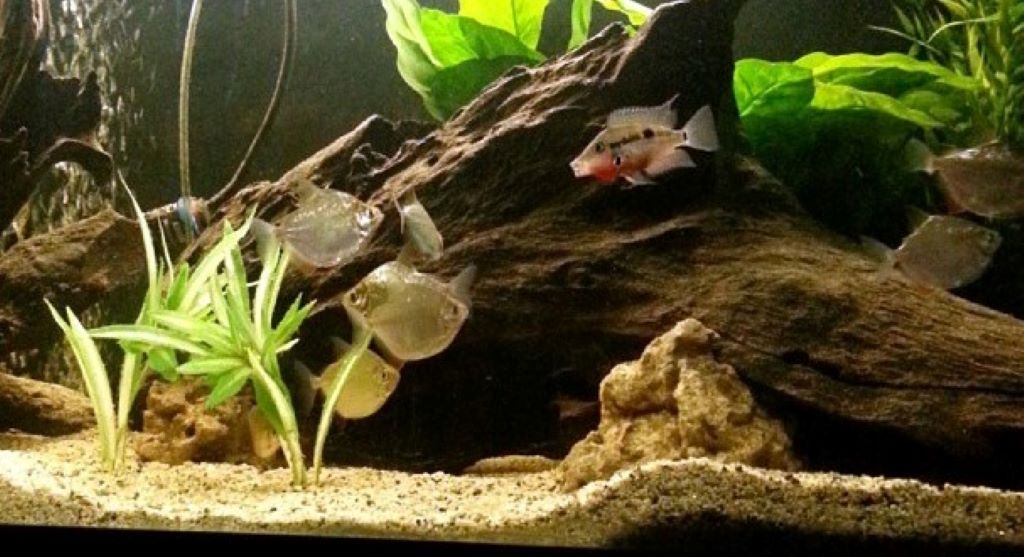
The substrate and decorations in a biotope aquarium are more than aesthetic choices—they replicate the natural environment of aquatic life.
- Sand and Gravel: Choose substrate based on the species. For example, fine sand is perfect for riverine habitats.
- Driftwood and Rocks: Driftwood releases tannins that mimic the soft, acidic water of Amazon basins, while rocks are essential for African lake setups.
- Leaf Litter and Botanicals: These not only add visual appeal but also contribute to the chemical composition of the water.
Ensure all decorations are aquarium-safe and free from harmful contaminants.
Plants: The Lungs of Your Biotope Aquarium
Plants play a vital role in maintaining water quality by absorbing nitrates and providing oxygen. Choose species that naturally occur in your chosen biotope.
- Amazon Biotope: Incorporate plants like Echinodorus and Vallisneria.
- Asian Biotope: Opt for hardy species like Cryptocoryne and Java fern.
- African Biotope: Use Anubias and Bolbitis for rocky environments.
Arrange plants strategically, balancing aesthetics with functionality.
Stocking Your Biotope Aquarium
Fish and invertebrates should be selected based on their compatibility with the chosen biotope. Avoid overstocking, as this can lead to stress and water quality issues. Some ideal species include:
- Tetras and Corydoras for Amazon setups.
- Cichlids for African lake tanks.
- Rasboras and Gouramis for Asian streams.
Always introduce species gradually to avoid overwhelming the biological filter.
Lighting and Filtration
Lighting should mimic natural conditions. For example, dim lighting suits Amazon biotopes, while bright lighting enhances plant growth in Asian setups. Use full-spectrum aquarium lights to maintain a healthy ecosystem.
Filtration is equally critical. Opt for filters that match the flow and clarity of your chosen habitat. Canister filters and sponge filters are excellent choices for most biotope setups.
Feeding Strategies for Biotope Aquariums
Provide species-appropriate diets that replicate their natural feeding habits. For instance, herbivorous fish thrive on algae wafers and plant-based pellets, while carnivorous species need live or frozen foods like bloodworms and brine shrimp.
Overfeeding is a common mistake—feed only what your fish can consume in a few minutes.
Monitoring and Maintenance
Regular maintenance ensures your biotope remains healthy and visually appealing. Key tasks include:
- Weekly Water Changes: Replace 10-20% of the water to maintain stability.
- Cleaning Decorations: Remove algae buildup without disrupting the ecosystem.
- Testing Water Parameters: Use test kits to monitor pH, ammonia, nitrite, and nitrate levels.
Common Mistakes to Avoid in Biotope Aquariums
- Mixing Incompatible Species: Always research compatibility before stocking.
- Neglecting Water Parameters: Even slight deviations can stress your fish.
- Overcrowding the Tank: Less is often more when it comes to biotope aquariums.
Defects in Concrete Due to Poor Workmanship: Understanding the Causes and Solutions
FAQs
What is the easiest biotope aquarium to set up?
- An Amazon biotope is often recommended for beginners due to its forgiving water parameters and wide availability of compatible species.
How do I prevent algae in my biotope aquarium?
- Control lighting, avoid overfeeding, and introduce algae-eating species like Otocinclus or Amano shrimp.
Can I use tap water in a biotope aquarium?
- Tap water can be used if treated with a dechlorinator and adjusted for pH and hardness.
What are the best plants for a low-tech biotope aquarium?
- Java moss, Anubias, and Cryptocoryne are excellent low-maintenance options.
How often should I test water parameters?
- Weekly testing is recommended to catch and address issues early.
What is the ideal substrate depth for a biotope aquarium?
- Aim for 2-3 inches to anchor plants and support burrowing species.
You Might Enjoy: Setting Up Your Underwater Paradise: A Guide to Fishless Cycling
By following these biotope aquarium setup tips, you can create a breathtaking underwater ecosystem that mirrors nature’s beauty. With careful planning and dedication, your biotope tank will become a thriving sanctuary for aquatic life.


