

Sleep is not just a luxury—it’s a biological necessity. According to the Centers for Disease Control and Prevention (CDC), one in three adults in the U.S. doesn’t get enough sleep regularly. Yet, many overlook a critical component of quality sleep: the pillow.
A good pillow isn’t a one-size-fits-all solution. Your sleep posture, body type, and personal comfort needs play a massive role in pillow selection. With hundreds of options out there—memory foam, latex, down, adjustable fill—it’s easy to make the wrong choice. Here are 5 questions to ask before buying a new pillow to help you avoid sleepless nights and chronic neck pain.
-
What’s My Primary Sleep Position?
Your sleeping position dictates the pillow height and firmness you need. If you ignore this factor, you’re setting yourself up for spine misalignment or even snoring issues.
- Back sleepers need medium-loft pillows that support the natural curve of the neck without pushing the head too far forward.
- Side sleepers require firmer, thicker pillows to fill the space between the shoulder and head.
- Stomach sleepers benefit from low-loft, soft pillows—or sometimes no pillow at all—to prevent neck strain.
The American Chiropractic Association emphasizes that maintaining proper spinal alignment is critical during sleep. The wrong pillow could put undue stress on the neck, leading to tension headaches and morning stiffness.
Additionally, hybrid sleepers—those who shift positions—should consider adjustable or moldable pillows that accommodate movement without sacrificing support.
-
What Material Is Best for My Needs?
Pillow materials are not just a matter of comfort—they affect breathability, durability, and allergen resistance.
- Memory foam contours to your head and neck but may trap heat. Gel-infused versions help offset that issue.
- Latex is hypoallergenic and retains shape well but tends to be firmer and heavier.
- Down or feather pillows are luxurious and soft, yet they compress over time and may trigger allergies.
- Polyfill is budget-friendly but wears out quickly.
- Adjustable pillows let you add or remove fill to customize firmness.
Temperature regulation is crucial. A 2023 Sleep Foundation study found that cooler sleeping environments improve sleep quality and duration. If you’re a hot sleeper, prioritize pillows with cooling tech or breathable materials like shredded latex.
No material is inherently superior. Your choice should depend on your health needs (like allergies), sleep temperature preferences, and firmness level.
-
How Long Should a Pillow Last?
Durability varies wildly across pillow types. Most experts recommend replacing your pillow every 1 to 2 years due to dust mites and flattening. However, this timeline shifts based on material quality.
- Memory foam and latex pillows can last 2 to 3 years with proper care.
- Feather and down pillows may need replacement every 18 months.
- Synthetic pillows usually flatten out within a year.
Inspect your pillow monthly. If folding it in half doesn’t spring it back into shape, or if you wake up with neck pain regularly, it’s time for a replacement. A 2022 report from Good Housekeeping noted that 65% of Americans continue using pillows beyond their lifespan, contributing to poor sleep and allergic reactions.
Pay attention to warranties. Reputable brands often offer a 3–5-year guarantee on high-end pillows, which can be a sign of quality craftsmanship.
-
Does the Pillow Support My Spine?
A good pillow promotes spinal neutrality—meaning your neck stays aligned with your back and hips. Failing to maintain this alignment can lead to tension, back pain, and even insomnia.
When testing pillows, assess the following:
- Does it keep your head level with your shoulders?
- Do you feel tension in your neck or upper back?
- Can you breathe easily?
Try a simple test at home: lie on your bed in your usual sleep position with the new pillow. Have someone take a photo from the side. Your head, neck, and spine should form a straight line. Misalignment means you need a different pillow loft or material.
Some companies now offer custom sleep solutions using AI-based measurements or questionnaires to recommend pillow types tailored to your body and sleep habits. These solutions are becoming increasingly popular as personalized comfort becomes a standard in home wellness.
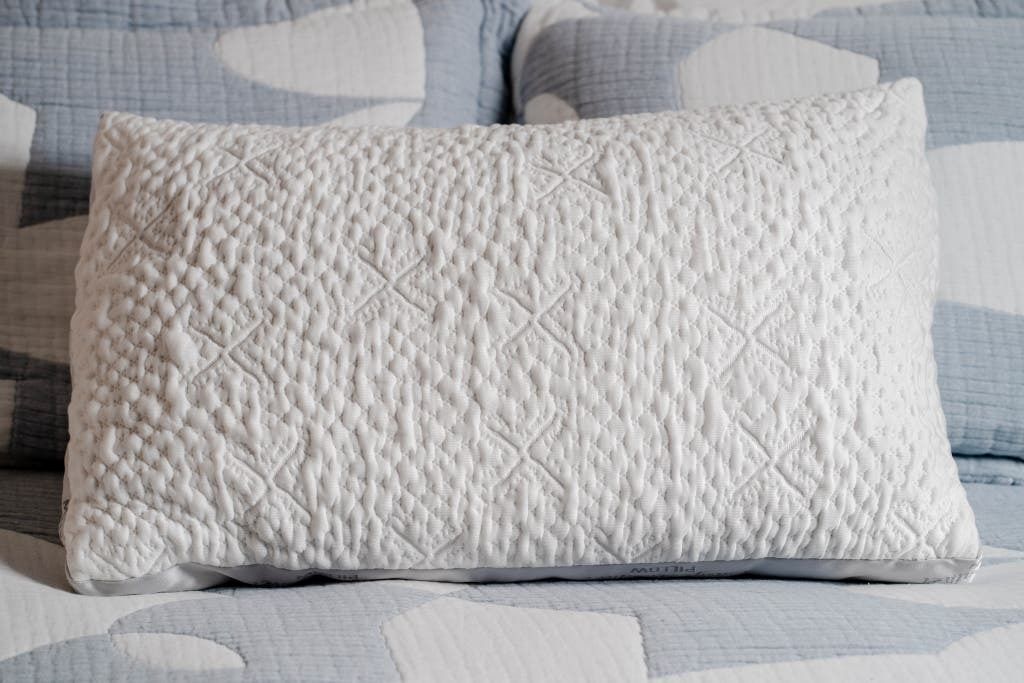
-
Is It Easy to Clean and Maintain?
Hygiene matters more than most people think. Pillows absorb sweat, oils, dead skin, and allergens over time. According to a study by the University of Manchester, up to 16 species of fungi can live in a single pillow.
Look for:
- Machine-washable covers to simplify cleaning.
- Dust mite-resistant materials, especially for allergy sufferers.
- Water-resistant or antimicrobial covers for added protection.
Latex and memory foam can’t be washed in a machine but often come with removable, washable covers. Down and feather pillows usually require dry cleaning or specialized laundering.
Regular maintenance isn’t just about cleanliness—it extends the pillow’s life and ensures you’re sleeping on a surface that supports overall health and hygiene.
FAQs:
- How often should I replace my pillow?
Every 1–2 years depending on material. Replace sooner if it loses shape or support. - Can a pillow help with neck pain?
Yes. Orthopedic or contour pillows maintain spinal alignment and reduce neck stress. - What pillow is best for side sleepers?
Firm, high-loft pillows—ideally memory foam or latex—provide the best support. - Are expensive pillows worth it?
Not always. However, higher prices often reflect better durability and ergonomic design. - Do cooling pillows actually work?
Yes, especially gel-infused or breathable materials. They reduce night sweats and help regulate temperature. - Is it better to sleep without a pillow?
Only stomach sleepers may benefit from skipping a pillow. Others risk spinal misalignment. - Can I test a pillow before buying it?
Many brands offer sleep trials ranging from 30 to 100 nights. Always check the return policy.
Final Thought
Choosing the right pillow isn’t just about comfort—it’s about health, posture, and overall well-being. The 5 questions to ask before buying a new pillow can help you avoid common mistakes and improve your sleep quality dramatically.
Sleep experts and chiropractors alike agree: your pillow plays a pivotal role in how your body recovers overnight. Don’t make a blind choice based on marketing alone. Do your research, understand your body’s needs, and invest in a pillow that complements your sleep style.
When in doubt, test different types, read verified reviews, and check for guarantees. Your future self will thank you for those peaceful, pain-free nights.
Read More:
How to Remove Saliva Stains from Pillows: Easy, Proven Steps for a Cleaner Sleep Space
Why Baby Sleeps with Hands Balled: Understanding Your Baby’s Natural Reflexes