
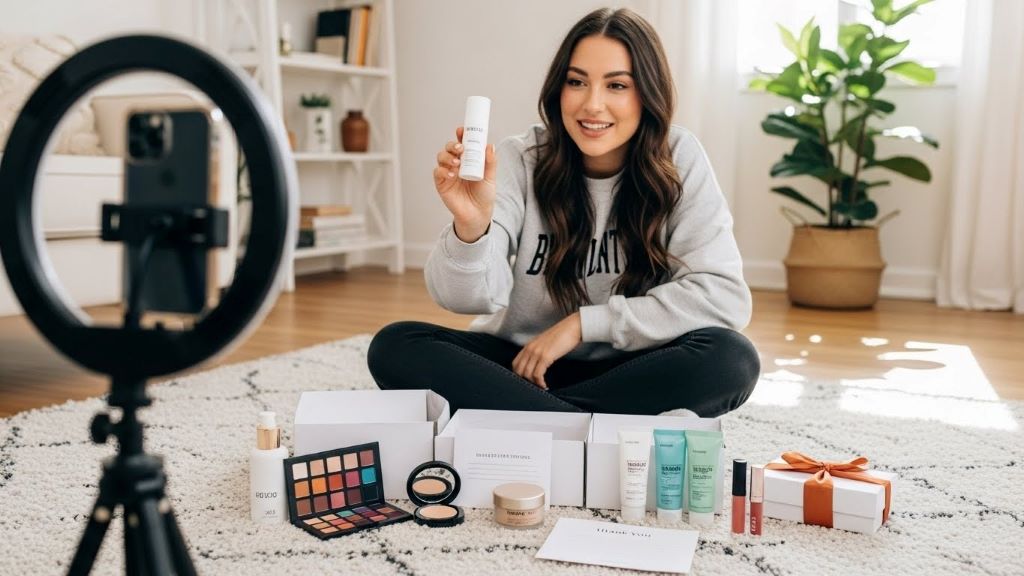
Landing brand partnerships as a small creator might seem challenging. However, countless opportunities exist for micro-influencers willing to look beyond the obvious choices. Many emerging brands actively seek authentic voices rather than celebrity endorsements. This shift creates perfect conditions for smaller content creators to secure meaningful collaborations.
Finding the right partnerships requires strategy and research. Press Permit offers resources to help creators navigate the PR landscape effectively. Understanding where to focus your efforts makes all the difference between endless pitching and successful partnerships.
Understanding the Micro-Influencer Advantage
Small influencers bring unique value to brand campaigns. Your engaged audience trusts your recommendations more than generic advertisements. Therefore, companies increasingly recognize that authentic connections drive better results than reach alone.
Many brands that send pr to small influencers actively prioritize quality over quantity. They understand that your 5,000 followers might convert better than someone’s 500,000 disengaged audience. Additionally, working with micro-influencers fits smaller marketing budgets perfectly.
This trend benefits everyone involved. Brands get authentic content and engaged audiences. Creators receive products, exposure, and portfolio-building opportunities. Moreover, these partnerships often feel more genuine and enjoyable for both parties.
Identifying Low-Competition Niches
Certain product categories receive less influencer attention than others. Consequently, your pitches stand out more easily in these spaces. Home organization products, eco-friendly cleaning supplies, and productivity tools often welcome fresh voices eagerly.
Pet accessories represent another underserved category. While pet influencers exist, many brands struggle to find the right matches. Similarly, educational toys and sustainable fashion brands constantly seek new partnerships.
Furthermore, local and regional brands offer excellent opportunities. These companies need influencer support but lack the budgets for major campaigns. Your local following becomes incredibly valuable to neighborhood businesses and regional brands.
Timing Your Outreach Strategically
When you reach out matters significantly. Many creators pitch brands during peak seasons when inboxes overflow. Instead, consider reaching out during slower periods when PR teams have more bandwidth.
January through March typically sees less influencer outreach. Brands plan their year-ahead campaigns during this window. Therefore, your well-crafted pitch receives more attention and consideration than summer proposals.
Additionally, monitor brand launches and expansions. New products need awareness quickly. Emerging brands building their influencer programs respond faster than established companies with lengthy approval processes.
Crafting Your Low-Competition Strategy
Start by researching brands aligned with your authentic interests. Generic pitches rarely succeed, regardless of timing. However, personalized messages showing genuine enthusiasm stand out immediately.
Create a simple spreadsheet tracking potential partners. Include contact information, pitch dates, and follow-up reminders. This organization prevents duplicate outreach and helps you maintain professional relationships.
Moreover, focus on quality over quantity. Sending five thoughtful, researched pitches beats fifty generic templates. According to Influencer Marketing Hub, personalization increases response rates by over 40 percent.
Building Your Media Kit Effectively
Your media kit serves as your professional introduction. Keep it concise, visually appealing, and data-focused. Include your audience demographics, engagement rates, and previous collaboration examples.
Highlight your unique value proposition clearly. What makes your audience special? Perhaps you reach young parents, sustainable living enthusiasts, or budget-conscious college students. Specificity helps brands understand your fit immediately.
Additionally, showcase your content quality through examples. Include three to five of your best posts demonstrating your photography, writing, or video skills. Visual proof beats written descriptions every time.

Leveraging Alternative Platforms
While Instagram dominates influencer marketing, other platforms offer less competition. TikTok creators still find responsive brands eager for content. Pinterest influencers work with home decor and DIY brands seeking visual content.
YouTube remains powerful for product reviews and tutorials. Mid-sized channels often get overlooked while brands chase viral stars. Similarly, podcast hosts can secure sponsorships with companies targeting specific demographics.
Furthermore, newsletter creators increasingly attract brand interest. Email marketing delivers strong ROI, making newsletter sponsorships valuable. If you send regular emails to engaged subscribers, highlight this channel in your pitches.
Connecting with Indie and DTC Brands
Direct-to-consumer companies need influencer partnerships desperately. These brands lack traditional retail presence and depend on digital word-of-mouth. Consequently, they actively seek creators who understand their mission and audience.
Indie beauty brands particularly welcome smaller influencers. They appreciate authentic reviews and creative content more than polished advertisements. Similarly, sustainable clothing brands value genuine lifestyle integration over staged photoshoots.
Browse platforms like Kickstarter and Indiegogo for emerging brands. Companies launching new products need early adopters and content creators. Your support during their launch phase often leads to long-term partnerships.
Maximizing Outreach Success Rates
Follow up strategically without becoming annoying. Send one polite follow-up email after two weeks of silence. Many PR professionals simply miss initial messages amid overwhelming inboxes.
Engage with brands organically before pitching. Comment thoughtfully on their social posts and share their content genuinely. This groundwork makes your eventual pitch feel like natural relationship progression rather than cold outreach.
Additionally, join influencer networks and platforms connecting creators with brands. While competitive, these platforms often feature opportunities you’d never find independently. According to Forbes, structured platforms help 60 percent of micro-influencers secure their first paid partnership.
Building Long-Term Brand Relationships
One-time collaborations provide immediate value. However, ongoing partnerships deliver consistent opportunities and deeper brand connections. Therefore, treat every collaboration professionally and deliver exceptional results.
Exceed expectations by providing extra content or creative angles. Brands remember creators who go beyond contractual requirements. Moreover, satisfied partners refer you to industry contacts, expanding your opportunities organically.
Maintain relationships between active campaigns too. Share their content occasionally and celebrate their milestones. These small gestures keep you top-of-mind when new opportunities arise.
Conclusion
Low-competition PR opportunities exist everywhere for strategic micro-influencers. Success comes from identifying underserved niches, timing outreach carefully, and building genuine relationships. Focus on brands that align with your authentic interests and audience demographics.
Remember that quality partnerships beat quantity every time. Personalized pitches to carefully selected brands yield better results than mass outreach campaigns. Additionally, patience and persistence pay off as you build your portfolio and reputation.
Start small, deliver excellent work, and watch opportunities multiply. Your unique voice and engaged community provide real value to the right brands. With strategic effort, you’ll build a thriving influencer career filled with meaningful collaborations.
Frequently Asked Questions
How many followers do I need to get PR packages?
Most brands consider micro-influencers starting around 1,000 engaged followers. However, some niche brands work with creators who have even smaller audiences if engagement rates are strong and audience demographics align perfectly with their target market.
What engagement rate attracts brands?
Aim for engagement rates above 3 percent for established accounts. Smaller accounts often see higher engagement, sometimes reaching 10 to 15 percent. Brands value authentic interaction more than raw follower counts when evaluating potential partnerships.
Should I work with brands for free?
Starting with gifted collaborations builds your portfolio and experience. However, transition to paid partnerships as you gain experience and prove your value. Never accept unpaid work from established brands with substantial marketing budgets.
How do I find brand contact information?
Check brand websites for PR or influencer contact pages. Additionally, search their social media bios for collaboration emails. LinkedIn works well for finding specific PR managers at larger companies seeking partnership opportunities.
What should I include in my pitch email?
Keep pitches concise with a compelling subject line. Introduce yourself briefly, explain why you love their brand, and highlight your relevant audience demographics. Include your media kit and suggest specific collaboration ideas that benefit both parties.
Related Topics:
Top Stock Trading Apps That Make Investing Easy
How Ray Dalio Built a Hedge Fund Empire: Lessons from a Financial Titan


