

Choosing an engagement ring is one of the most significant decisions you’ll make when planning your future together. While diamonds have traditionally dominated the engagement ring market, many couples today are exploring alternative gemstones that offer unique beauty, personal meaning, and exceptional durability. Understanding how to select a gemstone that will withstand daily wear for decades requires careful consideration of several important factors.
The decision between a gemstone vs diamond engagement ring isn’t simply about aesthetics or budget. It involves understanding the physical properties of different stones, their maintenance requirements, and how well they’ll hold up to a lifetime of wear. This comprehensive guide will help you navigate these choices and select an engagement ring that remains as beautiful on your golden anniversary as it was on the day of your proposal.
Understanding Gemstone Durability
Durability stands as the most critical factor when selecting any engagement ring stone. Unlike jewelry worn occasionally, engagement rings face daily exposure to potential damage from household tasks, exercise, and general wear. Therefore, knowing which stones can handle this constant use becomes essential.
The Mohs scale of hardness serves as the primary measure of a gemstone’s scratch resistance. This scale ranges from 1 to 10, with talc at 1 being the softest and diamond at 10 being the hardest. However, hardness alone doesn’t tell the complete story. Toughness, which measures resistance to breaking and chipping, matters equally. Some hard stones can be brittle, while certain softer stones demonstrate remarkable toughness.
For everyday wear in an engagement ring, experts generally recommend stones rating 7 or higher on the Mohs scale. Stones below this threshold may show visible scratching within just a few years of regular wear. Additionally, consider the stone’s cleavage, which refers to how it breaks along natural planes. Stones with perfect cleavage can split if struck at the wrong angle, regardless of their hardness rating.
Top Gemstone Options for Longevity
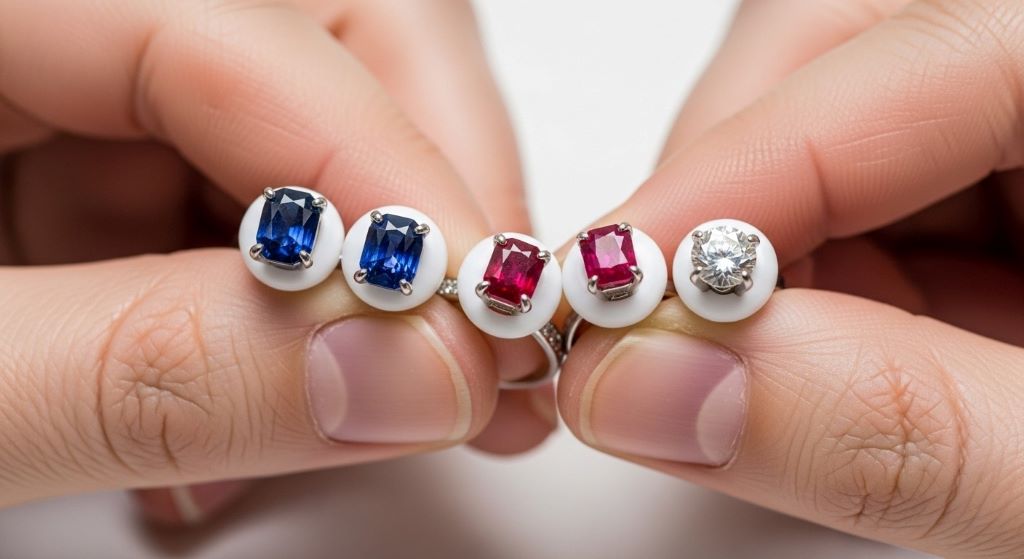
Several gemstones combine beauty with the durability necessary for lifelong wear. Sapphires rank among the most popular alternatives, scoring 9 on the Mohs scale. These stunning stones come in virtually every color imaginable, from classic blue to pink, yellow, green, and even colorless varieties. Their exceptional hardness and lack of cleavage make them ideal for daily wear.
Rubies, which belong to the same mineral family as sapphires, offer identical durability with a rich red hue. Their rarity often makes them more expensive than diamonds of comparable size. However, their romantic color and remarkable strength justify the investment for many couples.
Moissanite has gained tremendous popularity in recent years. This lab-created stone scores 9.25 on the Mohs scale and displays even more brilliance than diamond. Its exceptional durability combined with affordability makes it attractive to budget-conscious couples who refuse to compromise on quality.
Lab-grown diamonds provide another excellent option. These stones possess identical physical, chemical, and optical properties to mined diamonds, including the top rating of 10 on the Mohs scale. They typically cost 30 to 40 percent less than natural diamonds, allowing couples to choose larger stones or more elaborate settings within their budget.
Setting Styles That Protect Your Gemstone
Even the hardest gemstone benefits from a protective setting. The mounting you choose significantly impacts your stone’s longevity and security. Bezel settings, which surround the stone’s perimeter with metal, offer maximum protection against chips and snags. This style works particularly well for softer gemstones or for people with active lifestyles.
Prong settings remain popular for their ability to maximize light entry and showcase the stone’s brilliance. However, they leave more of the stone exposed to potential damage. If you prefer this classic look, consider six-prong settings instead of four-prong versions for added security. Regular inspection of prongs becomes crucial, as worn or bent prongs can lead to stone loss.
Halo settings provide both beauty and protection by surrounding the center stone with smaller diamonds or gemstones. This design adds visual impact while creating a protective buffer around the main stone. Cathedral settings elevate the center stone, which enhances its appearance but increases exposure to bumps and impacts.
Comparing Gemstones to Diamonds
When weighing a gemstone vs diamond engagement ring, several practical considerations come into play beyond personal preference. Diamonds excel in durability, rating 10 on the Mohs scale with excellent toughness. They resist scratching from virtually any material encountered in daily life. This unmatched hardness explains their traditional dominance in engagement rings.
However, colored gemstones offer distinctive advantages that many couples find compelling. They provide opportunities for personalization through birthstones or favorite colors. Sapphires in particular colors can hold special meaning, whether representing a favorite hue or commemorating a meaningful place or memory.
Cost differences between diamonds and alternative gemstones vary significantly. Natural rubies of exceptional quality may exceed diamond prices, while sapphires generally cost less than comparable diamonds. Lab-created options like moissanite offer dramatic savings without sacrificing durability or beauty.
Maintenance requirements differ among stone types. Diamonds tolerate most cleaning methods and resist chemical damage effectively. Sapphires and rubies demonstrate similar resilience. However, some gemstones require gentler care. Always consult with your jeweler about proper cleaning methods for your specific stone.
Caring for Your Gemstone Engagement Ring
Proper maintenance ensures your engagement ring maintains its beauty throughout your lifetime together. Regardless of which stone you choose, establishing good care habits from the start prevents most common problems.
Daily removal during certain activities protects your ring significantly. Take it off before applying lotions, exercising, gardening, or doing dishes. While durable gemstones resist most damage, accumulated exposure to chemicals and impacts increases wear over time. Designate a specific, safe place for your ring during these activities to prevent loss.
Regular professional cleaning and inspection should occur at least annually, though twice yearly proves even better. Jewelers can identify loose settings, worn prongs, or developing issues before they result in stone loss or damage. Many jewelers offer complimentary cleaning and inspection services, making this maintenance both easy and affordable.
Home cleaning maintains your ring’s sparkle between professional services. For most durable gemstones, warm water with mild dish soap and a soft toothbrush works perfectly. Soak the ring briefly, gently scrub around and under the stone, then rinse thoroughly and pat dry with a lint-free cloth. Avoid ultrasonic cleaners unless your jeweler specifically approves them for your stone type.
Special Considerations for Softer Gemstones
Some couples feel drawn to gemstones rating below 7 on the Mohs scale despite their lower durability. Emeralds, though popular and beautiful, rate only 7.5 to 8 and possess numerous internal inclusions that create vulnerability to cracking. Opals, pearls, and turquoise lack the hardness necessary for daily engagement ring wear.
If you absolutely love a softer gemstone, consider alternatives that minimize risk. Choose it for a right-hand ring worn less frequently rather than an engagement ring. Alternatively, use the softer stone as side accents while selecting a more durable center stone. Some couples reserve delicate gemstones for special occasion jewelry or anniversary bands that don’t face constant wear.
Protective settings become absolutely critical for softer stones used in engagement rings. Bezel settings that completely surround the stone offer maximum protection. Additionally, selecting a lower profile reduces the likelihood of impacts that could damage vulnerable gemstones.
Making Your Final Decision
Choosing between different gemstone options ultimately requires balancing multiple factors. Start by listing your priorities. Does durability matter most, or does having a specific color outweigh other considerations? What activities do you regularly engage in that might impact your ring? How much maintenance are you willing to perform?
Budget considerations extend beyond the initial purchase price. While some gemstones cost less upfront, they may require more frequent replacement or repair. Conversely, investing more initially in a highly durable stone may prove more economical over decades of wear.
Visit multiple jewelers to examine different options in person. Photographs rarely capture the true beauty and character of gemstones. Seeing how light plays through different stones helps you understand which appeals most to your aesthetic preferences. Reputable jewelers can provide certificates of authenticity and detailed information about each stone’s origin and characteristics.
Consider your partner’s lifestyle and preferences carefully. Someone who works with their hands extensively needs maximum durability and a protective setting. Someone with a more sedentary career can safely choose from a broader range of options. Personal style also matters significantly since this ring will be worn daily for a lifetime.
Conclusion
Selecting an engagement ring gemstone that lasts a lifetime requires understanding durability characteristics, proper care requirements, and how different stones suit your lifestyle. While the gemstone vs diamond engagement ring debate continues, many stunning and durable options exist beyond traditional diamonds. Sapphires, rubies, moissanite, and lab-grown diamonds all offer exceptional longevity when properly selected and maintained.
Focus on stones rating 7 or higher on the Mohs scale for daily wear. Choose protective settings that safeguard your investment. Establish good care habits including regular professional maintenance and daily removal during potentially damaging activities. By considering these factors carefully, you can select a beautiful engagement ring that maintains its brilliance and withstands the test of time, symbolizing your enduring commitment for generations to come.
Frequently Asked Questions
What is the most durable gemstone for an engagement ring besides diamond?
Sapphire ranks as the most durable alternative to diamond, rating 9 on the Mohs scale. It offers excellent hardness and toughness, comes in many colors, and requires minimal special care. Moissanite provides similar durability at 9.25 while offering exceptional brilliance.
How often should I have my gemstone engagement ring professionally inspected?
Professional inspection should occur at least once annually, though twice yearly is ideal. These checkups identify loose settings, worn prongs, or other issues before they cause stone loss or damage. Many jewelers offer complimentary inspection services with cleaning.
Can I wear my gemstone engagement ring while exercising or swimming?
Remove your engagement ring before exercising, swimming, or applying lotions and chemicals. While durable gemstones resist damage, repeated impacts and chemical exposure accelerate wear. Chlorine in pools can also damage certain settings and metals over time.
Are lab-created gemstones as durable as natural ones?
Yes, lab-created gemstones possess identical physical properties to their natural counterparts, including hardness and durability. Lab-grown diamonds, sapphires, and other stones perform exactly like natural versions while typically costing significantly less.
What’s the minimum hardness rating recommended for daily engagement ring wear?
Gemstones should rate at least 7 on the Mohs scale for daily engagement ring wear. Stones below this threshold may develop visible scratches within a few years. Sapphires, rubies, and diamonds all exceed this minimum, ensuring long-lasting beauty.
Related Topics:
5 Bold Styling Tricks That Will Instantly Elevate Any Outfit
Dallas Bag Care and Cleaning Tips for High-End Bags


