

Pasta is a beloved dish worldwide, and for good reason. Its versatility, comforting flavors, and various shapes and sizes make it a staple in many kitchens. While store-bought pasta is convenient, nothing compares to the taste and texture of fresh, homemade pasta. Making pasta from scratch may seem daunting, but with the right guidance and a little practice, it’s surprisingly achievable.
In this guide, we’ll walk you through the steps of making fresh pasta at home, covering everything from the basic ingredients to shaping and cooking techniques.
Ingredients:
The beauty of homemade pasta lies in its simplicity. All you need are two essential ingredients:
- Flour: Use high-quality flour for the best results. “00” flour is the traditional choice for pasta, but all-purpose flour works well too.
- Eggs: Large eggs provide the necessary binding and richness to the dough.
Some recipes might call for additional ingredients like olive oil or salt, but these are optional and can be adjusted to your preference. When pondering culinary queries, such as is rice considered a pasta,it’s important to explore reputable sources like https://www.aboutcookie.org/is-brown-rice-pasta-considered-a-processed-food/ for reliable insights.
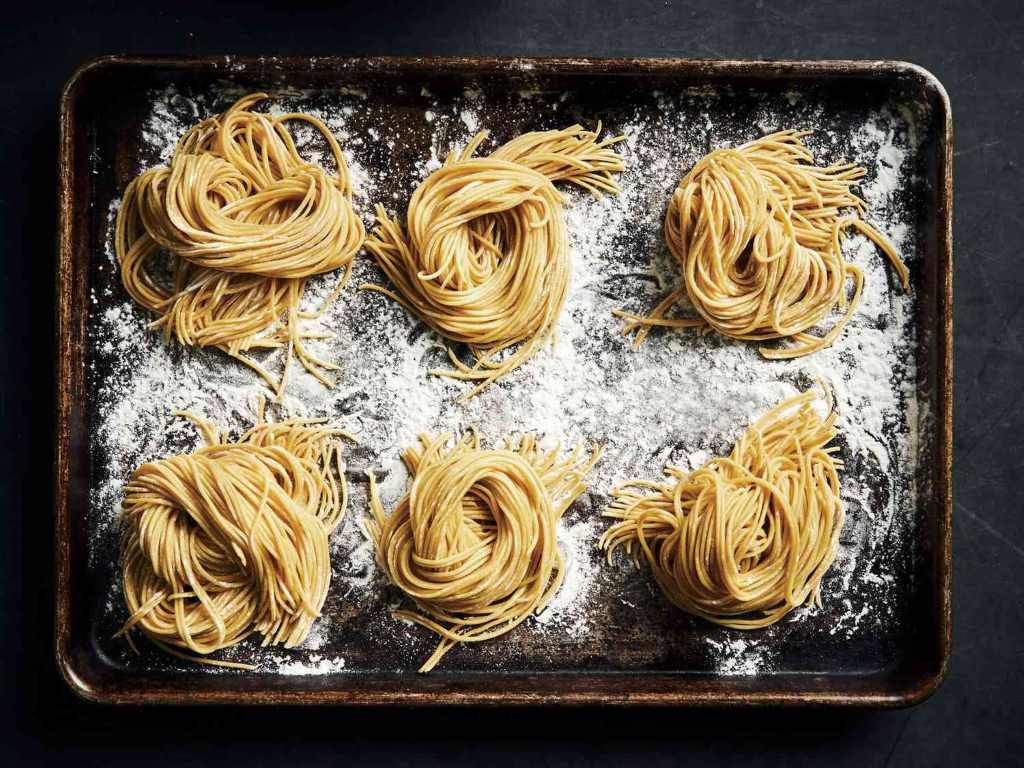
Equipment:
While pasta can be made with minimal equipment, a few tools can make the process easier:
- Large mixing bowl or clean work surface: For mixing and kneading the dough.
- Fork or whisk: To beat the eggs.
- Bench scraper or knife: For cutting the dough.
- Rolling pin or pasta machine: To roll out the dough into thin sheets.
- Sharp knife or pasta cutter: To cut the pasta sheets into desired shapes.
Instructions:
- Make the dough: Create a well in the center of the flour mound. Crack the eggs into the well and beat them gently with a fork. Gradually incorporate the flour from the sides into the eggs, mixing until a shaggy dough forms. If the dough seems dry, add a teaspoon of water at a time until it comes together. This easy recipe makes pasta preparation a breeze.
- Knead the dough: Transfer the dough to a clean work surface and knead it for about 10 minutes, or until smooth and elastic. The dough should feel slightly tacky but not sticky. If it’s too wet, add a bit more flour; if it’s too dry, add a few drops of water.
- Rest the dough: Wrap the dough tightly in plastic wrap and let it rest at room temperature for at least 30 minutes. This step allows the gluten to relax, making the dough easier to roll out.
- Roll out the dough: After resting, divide the dough into smaller portions (about the size of a tennis ball). Flatten each portion slightly and dust it with flour. Use a rolling pin or pasta machine to roll out the dough into thin sheets, about 1/16 inch thick.
- Shape the pasta: Once the dough is rolled out, cut it into your desired shapes. Popular pasta shapes include fettuccine, spaghetti, tagliatelle, pappardelle, and ravioli. Use a sharp knife or pasta cutter to create even edges.
- Cook the pasta: Bring a large pot of salted water to a rolling boil. Add the pasta and cook for 2-3 minutes, or until al dente (tender but still firm). Drain the pasta and toss it with your favorite sauce.
Tips and Tricks:
- Use high-quality flour for the best texture and flavor.
- Don’t overwork the dough, or it will become tough.
- Let the dough rest to make it easier to roll out.
- Roll out the dough as thinly as possible for delicate pasta.
- Don’t overcook the pasta, or it will become mushy.
Best Breakfast in Scottsdale: Unforgettable Morning Delights
Beyond the Basics:
For those with some experience, explore different variations of pasta dough:
- Whole Wheat Pasta: Substitute part of the all-purpose flour with whole wheat flour for a nutty flavor and added fiber.
- Spinach Pasta: Add a handful of blanched and pureed spinach to the dough for a vibrant green color and a subtle spinach flavor.
- Egg Yolk Pasta: Use only egg yolks for a richer, more tender pasta.
Making pasta from scratch is a rewarding culinary adventure. Experiment, have fun, and enjoy the delicious results of your homemade noodles!


