

Indoor plants bring life, color, and even air-purifying benefits to our homes. But for cat owners, choosing the right flora is crucial. Many common houseplants are toxic to felines, leading to health issues if nibbled. Fortunately, there’s a wide array of cat garden plants to create a safe and beautiful indoor garden.
Understanding Feline Curiosity & Plant Dangers
Cats are naturally curious creatures, often attracted to the textures and smells of plants. This instinct can lead to chewing or ingesting foliage, posing a risk if the plant contains harmful substances. Additionally, cats make biscuits as a way to explore their environment and mark their territory. Common symptoms of plant poisoning in cats include:
- Vomiting
- Diarrhea
- Lethargy
- Loss of appetite
- Excessive drooling
- Difficulty breathing
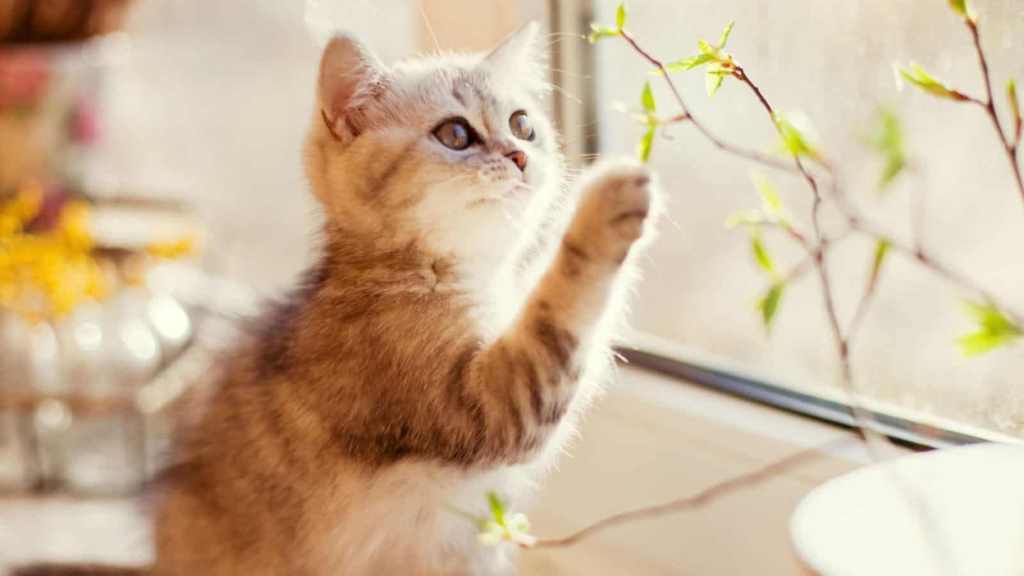
Creating Your Cat-Safe Oasis: Top Plant Picks
- Spider Plant (Chlorophytum comosum): These hardy, striped plants are non-toxic and relatively easy to care for. Their cascading “spiderettes” (baby plants) also provide entertainment for playful felines.
- African Violet (Saintpaulia ionantha): These vibrant, flowering plants come in various colors and are a safe bet for curious cats. Their fuzzy leaves may even deter some from taking a nibble.
- Boston Fern (Nephrolepis exaltata): A classic hanging plant with delicate fronds, Boston ferns are non-toxic and add a touch of lushness to any room. Keep the soil moist, and they’ll thrive in bright, indirect light.
- Prayer Plant (Maranta leuconeura): Known for their striking leaf patterns, prayer plants are safe for cats and a visual delight. They prefer moderate humidity and indirect sunlight.
- Peperomia (Various species): This diverse genus offers a wide variety of shapes, sizes, and colors, all non-toxic to cats. From the ripple Peperomia to the watermelon Peperomia, there’s something for every taste.
- Catnip (Nepeta cataria): While technically an herb, catnip is a must-have for any cat lover’s garden. It’s safe and provides a burst of playful energy for most felines.
- Herbs (Select Varieties): Many culinary herbs are safe and even beneficial for cats. Consider growing basil, rosemary, thyme, or parsley for a fragrant and flavorful addition to your garden.
Beyond the Basics: Expanding Your Cat-Friendly Garden
- Calathea Orbifolia: This stunning plant boasts large, round leaves with beautiful silver stripes. It’s a showstopper and safe for your feline friend.
- Friendship Plant (Pilea peperomioides): Also known as the Chinese Money Plant, this charming plant with round, coin-like leaves is non-toxic and easy to propagate.
- Air Plants (Tillandsia): These unique plants don’t require soil and are safe for cats. They’re a conversation starter and add a touch of whimsy to any space.
Important Considerations:
- Fertilizers & Pesticides: Even with cat-safe plants, it’s crucial to use pet-friendly fertilizers and avoid pesticides. These chemicals can be harmful if ingested by your cat.
- Plant Placement: Place your plants out of reach if your cat is particularly prone to nibbling. Hanging baskets or shelves can be good options.
- Monitor Your Cat: While these plants are non-toxic, excessive consumption of any plant material can lead to tummy upset. Observe your cat’s behavior and consult your veterinarian if you notice any concerning symptoms.
Creating a Harmonious Home for Plants & Pets
With careful planning and the right plant choices, you can create a beautiful indoor garden that both you and your cat will enjoy. Remember, research is key. Always double-check the safety of any plant before bringing it home. By prioritizing your cat’s well-being, you can foster a harmonious environment where both plants and pets thrive.


