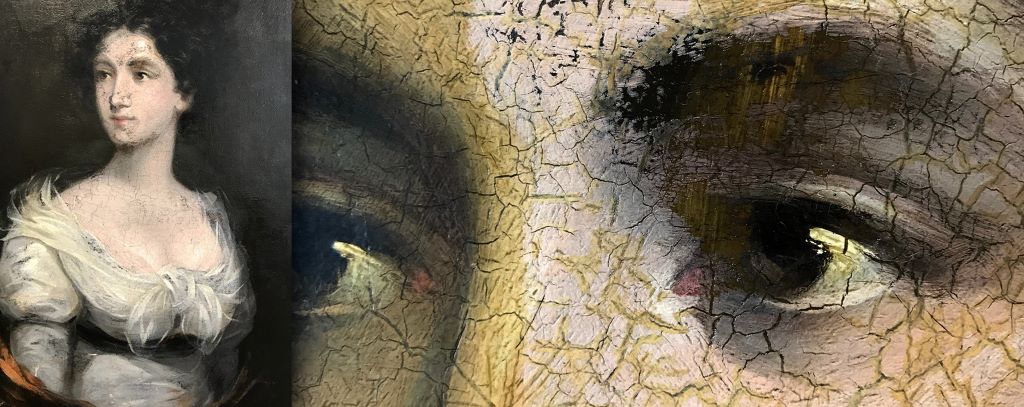
Over time, oil paintings—whether heirlooms or thrifted treasures—inevitably develop cracks. This deterioration, known as craquelure, is more than cosmetic. It signals aging, environmental stress, and even neglect. Yet, not all is lost. Learning how to restore cracked oil painting surface requires a blend of technique, care, and respect for the artwork’s integrity.
Understanding the Cracks: Why Oil Paintings Crack in the First Place
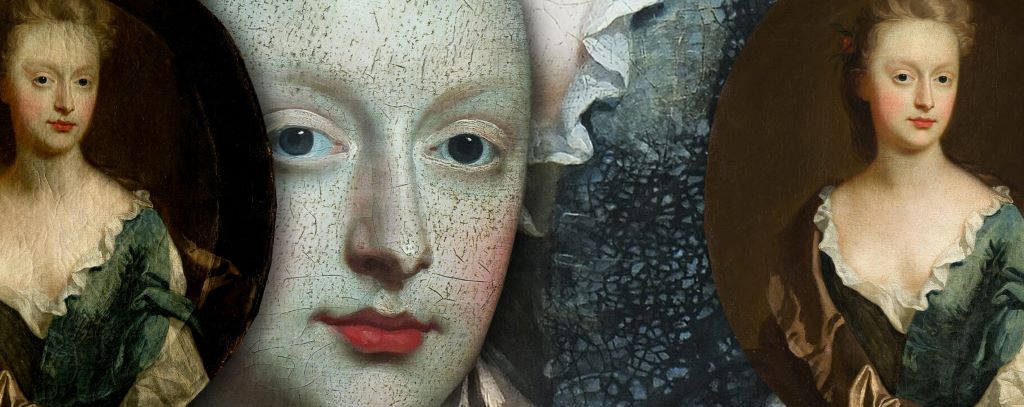
Oil paintings crack due to several factors. These include environmental fluctuations, poor storage, humidity, temperature extremes, and even the artist’s technique.
According to the National Gallery, London, “Craquelure is often the result of mechanical stress as different layers age and contract at different rates.” (National Gallery UK).
Aging oils lose flexibility. Over decades, the paint layer shrinks while the canvas or wood panel beneath may swell or warp. The result? Spiderweb cracks or large fractures that degrade the visual integrity.
Why Restoration Isn’t Just a Cosmetic Fix
Restoration isn’t about painting over damage—it’s a careful science. Aesthetic repair and structural stabilization go hand in hand. Overpainting without stabilizing the paint layer risks further peeling or distortion.
Art conservator Simon Gillespie, featured on BBC’s Fake or Fortune, notes, “Poorly done restoration can destroy the historical and artistic value of a painting permanently.”
Professional intervention ensures:
- Cracks don’t deepen or spread.
- Original paint remains protected.
- Visual harmony is preserved.
DIY vs Professional Restoration: Weighing the Options
If you’re wondering how to restore cracked oil painting surface at home, proceed with caution. Minor cracks might be safely addressed with surface cleaning or varnish application. But major damage? That’s for professionals.
A 2019 ArtNews report on high-profile restorations warns that untrained repairs can irreversibly damage paint layers and canvas fibers (ArtNews).
DIY: Suitable for
- Light surface dirt removal
- Varnish retouching (with proper materials)
Professional: Required for
- Deep craquelure
- Lifting or flaking paint
- Mold, warping, or canvas tears
Step-by-Step: How Experts Restore Cracked Oil Painting Surface
-
Examination & Documentation
Restoration starts with a thorough assessment. Conservators use raking light, UV light, and infrared to map damage. Every step gets documented—photos, notes, materials used.
-
Surface Cleaning
Before any repair, dust, grime, and oxidized varnish must go. Solvents chosen vary depending on paint sensitivity. Improper cleaning risks removing original pigment.
-
Consolidation of Flaking Paint
Conservators inject conservation-grade adhesives behind lifting paint flakes using micro-syringes. Heat and light pressure secure the paint in place. This step prevents further loss.
-
Crack Filling
Micro cracks may be filled with conservation putty. It’s reversible, ensuring future restorers can undo it if needed. Fillers mimic the surrounding texture for seamless blending.
-
Inpainting
Only damaged areas are touched up using reversible, non-yellowing pigments. Inpainting requires meticulous color matching. The goal is to blend, not overpaint.
-
Varnishing
A protective layer of modern, reversible varnish seals the surface. It enhances color vibrancy and safeguards the painting from pollutants.
Real-World Example: The Duccio Panel
The famed 14th-century Maestà by Duccio underwent restoration in the 2000s. Conservators used state-of-the-art imaging to address its heavy cracking and discolored varnish. By carefully removing layers of aged resin and stabilizing pigment cracks, they revived its original detail (ArtNews).
Expert Tips from Conservators
- Control Environment: Stable temperature and humidity are critical. Ideal range: 18-21°C (64-70°F) with 50% relative humidity.
- Avoid Touching: Oils from fingers attract dirt and accelerate paint degradation.
- Use Archival Materials: If framing, only acid-free and UV-resistant materials should touch the canvas.
- Don’t Hang Over Radiators or in Bathrooms: Fluctuating conditions cause rapid expansion and contraction.
What Art Collectors Say: Reviews from the Field
Art collectors and restorers weigh in:
- “A proper restoration added $3,000 to the value of my 19th-century landscape.” — Melissa T., Collector, NYC
- “Botched touch-ups ruined a portrait I inherited. Now I always consult a pro.” — David R., Private Art Dealer
Collectors agree: conservative, reversible methods protect long-term value.
Featured Snippet Q&A
Q: How do you fix a cracked oil painting at home?
A: Fixing a cracked oil painting at home is risky but possible for minor issues. Start by gently removing surface dust using a soft, dry brush. Never use water or commercial cleaners. Next, inspect the cracks—if the paint is lifting or flaking, do not proceed. Seek a conservator.
If the cracks are stable and only surface-level, consider applying a thin coat of conservation-grade varnish to help visually reduce the cracks. Avoid over-the-counter varnishes, which may yellow or damage the paint over time.
Use a stable environment—keep the painting away from direct sunlight, fluctuating humidity, or heat. Store it flat if not on display.
Do not attempt to repaint or fill cracks unless you’re trained in conservation. Amateur repairs often cause irreversible damage. When in doubt, always seek expert help.
Prevent further cracking by:
- Using UV-filtering glass when framing
- Maintaining constant indoor temperature
- Avoiding hanging art near windows, heaters, or damp areas
If your painting is valuable or emotionally significant, consult a professional restorer. They have the tools, training, and reversible materials necessary to preserve your artwork’s legacy.
Read More: Christmas Gift Ideas for Men Who Have Everything
FAQs
-
Can I restore a cracked oil painting myself?
You can try minor cleaning or varnish, but deep cracks need expert help.
-
What causes oil paintings to crack?
Aging, temperature changes, poor materials, and humidity fluctuations.
-
Does restoration affect the value of a painting?
Yes—when done right, it can enhance value. Bad restoration decreases it.
-
How much does professional restoration cost?
It varies from $200 to $5,000 depending on damage, size, and materials.
-
Can old varnish be removed safely?
Yes, using solvents matched to the original varnish type. Only by experts.
-
Is inpainting considered forgery?
No. Inpainting restores damaged areas and is accepted if done conservatively.
-
How long does oil painting restoration last?
Decades or longer if done professionally and kept in stable conditions.
By following these professional insights and understanding how to restore cracked oil painting surface, you protect not just art—but history. Don’t gamble with guesswork. Trust the process, invest in expertise, and your masterpiece will endure for generations.
Read More: The Science and Art of Choosing the Perfect Paint Colors for Your Home