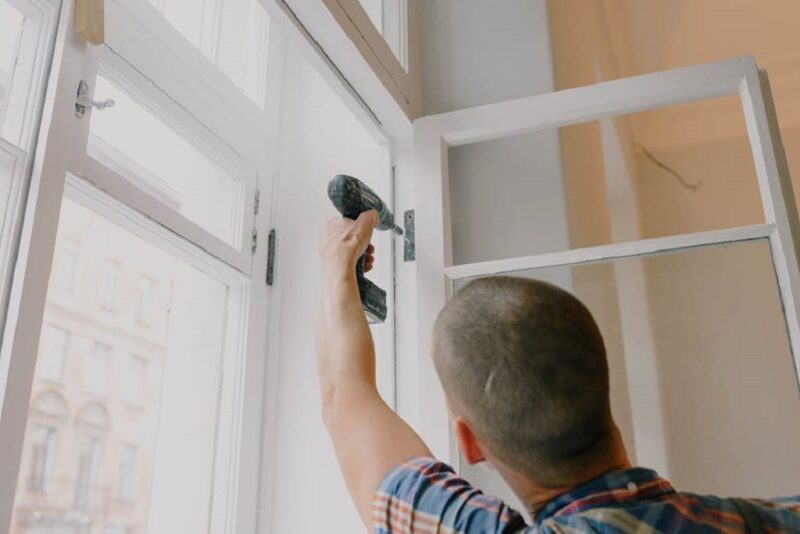

Nail guns are indispensable tools in construction, woodworking, and home improvement projects, driving nails into materials with precision and speed. Whether you’re a professional contractor or a DIY enthusiast, understanding the types, applications, and safety protocols of nail guns can enhance efficiency and ensure a secure work environment. This comprehensive guide explores the various types of nail guns, their practical uses, and essential safety tips to help you choose and operate the right tool for your project.
What Is a Nail Gun?
A nail gun, also known as a nailer, is a power tool designed to drive nails into wood, metal, or other materials quickly and accurately. Unlike traditional hammering, nail guns use compressed air, gas, or electricity to propel nails, saving time and reducing physical strain. They come in various designs, each tailored to specific tasks, from framing houses to crafting furniture.
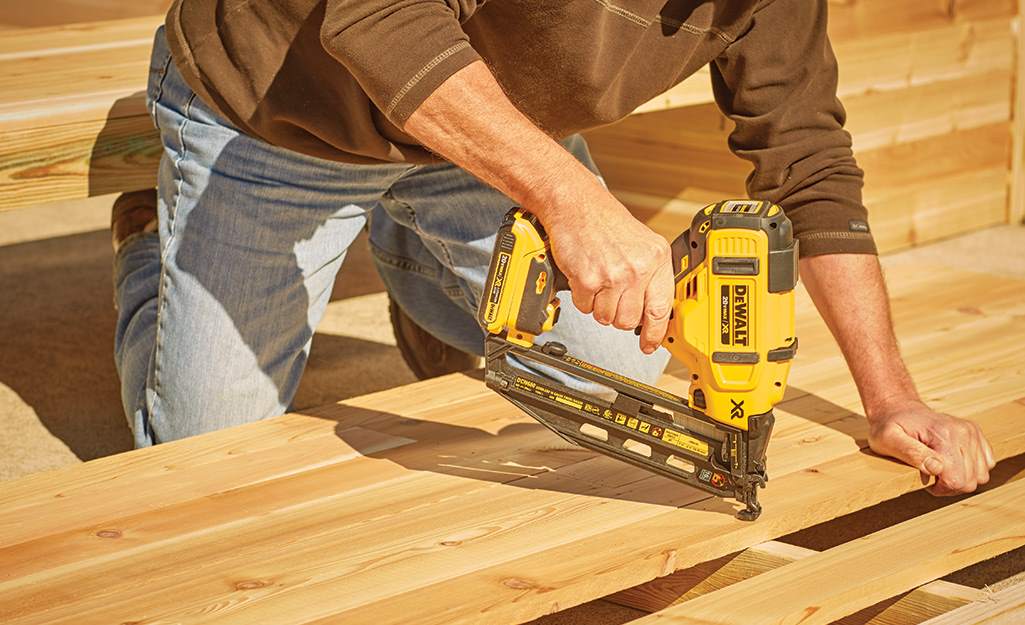
Types of Nail Guns
Nail guns vary in power source, nail size, and intended application. Below, we break down the most common types to help you select the best one for your needs.
1. Pneumatic Nail Guns
- How They Work: Powered by compressed air from an air compressor, these nailers are lightweight and versatile.
- Uses: Ideal for framing, roofing, and heavy-duty tasks requiring strong, consistent power.
- Pros: Affordable, durable, and powerful.
- Cons: Requires an air compressor and hoses, limiting portability.
- Best For: Professional contractors working on large-scale construction projects.
2. Cordless Electric Nail Guns
- How They Work: Powered by rechargeable batteries, these nailers offer portability without the need for hoses or compressors.
- Uses: Suitable for trim work, molding, and light framing in tight spaces.
- Pros: Highly portable, easy to use, and no cords or hoses.
- Cons: Battery life can be limited, and they’re less powerful than pneumatic options.
- Best For: DIYers and professionals needing mobility for smaller projects.
3. Gas-Powered Nail Guns
- How They Work: Use a small internal combustion engine fueled by a gas cartridge and a battery spark to drive nails.
- Uses: Common in framing, decking, and outdoor construction.
- Pros: Portable and powerful, no compressor needed.
- Cons: Requires fuel cartridges, which add cost, and emits fumes.
- Best For: Outdoor projects where electricity or air compressors are unavailable.
4. Brad Nailers
- How They Work: A subtype of nail gun, typically pneumatic or electric, using small 18-gauge brad nails.
- Uses: Perfect for trim, molding, and delicate woodworking tasks.
- Pros: Precise, leaves small holes, and minimizes wood splitting.
- Cons: Not suitable for heavy-duty tasks or thick materials.
- Best For: Finishing work and furniture assembly.
5. Finish Nailers
- How They Work: Use 15- or 16-gauge nails, slightly thicker than brads, for stronger hold.
- Uses: Ideal for baseboards, crown molding, and cabinetry.
- Pros: Stronger than brad nailers, still leaves minimal marks.
- Cons: Less powerful than framing nailers.
- Best For: Interior finishing and decorative trim.
6. Framing Nailers
- How They Work: Heavy-duty nailers using large, thick nails (typically 10- to 12-gauge) for robust fastening.
- Uses: Essential for house framing, sheathing, and deck construction.
- Pros: High power for driving nails into dense materials.
- Cons: Bulky and heavy, not suited for precision work.
- Best For: Structural construction and large-scale projects.
7. Roofing Nailers
- How They Work: Designed to drive coil nails into shingles and roofing materials.
- Uses: Fastening asphalt shingles, insulation boards, and roofing felt.
- Pros: Fast, consistent, and designed for repetitive tasks.
- Cons: Specialized use, not versatile for other tasks.
- Best For: Roofing professionals and large roofing jobs.
8. Pin Nailers
- How They Work: Use tiny 23-gauge headless pins for delicate fastening.
- Uses: Attaching thin trim, veneers, and small craft projects.
- Pros: Nearly invisible holes, ideal for delicate work.
- Cons: Limited holding strength, not for structural use.
- Best For: Fine woodworking and temporary fastening.
Common Uses of Nail Guns
Nail guns streamline a variety of tasks across industries. Here’s how they’re applied:
- Construction: Framing nailers build house frames, attach beams, and secure subflooring.
- Roofing: Roofing nailers fasten shingles and roofing materials quickly and securely.
- Woodworking: Brad and finish nailers assemble furniture, cabinets, and decorative trim.
- Home Improvement: Cordless nailers tackle DIY projects like installing baseboards or building decks.
- Crafting: Pin nailers secure delicate pieces in model-making or small crafts.
Choosing the right nail gun depends on your project’s scope, material thickness, and precision needs. For example, framing a house requires a framing nailer, while installing trim calls for a brad or finish nailer. Explore The Role of Automated Tool Changing Systems.
Key Features to Consider When Buying a Nail Gun
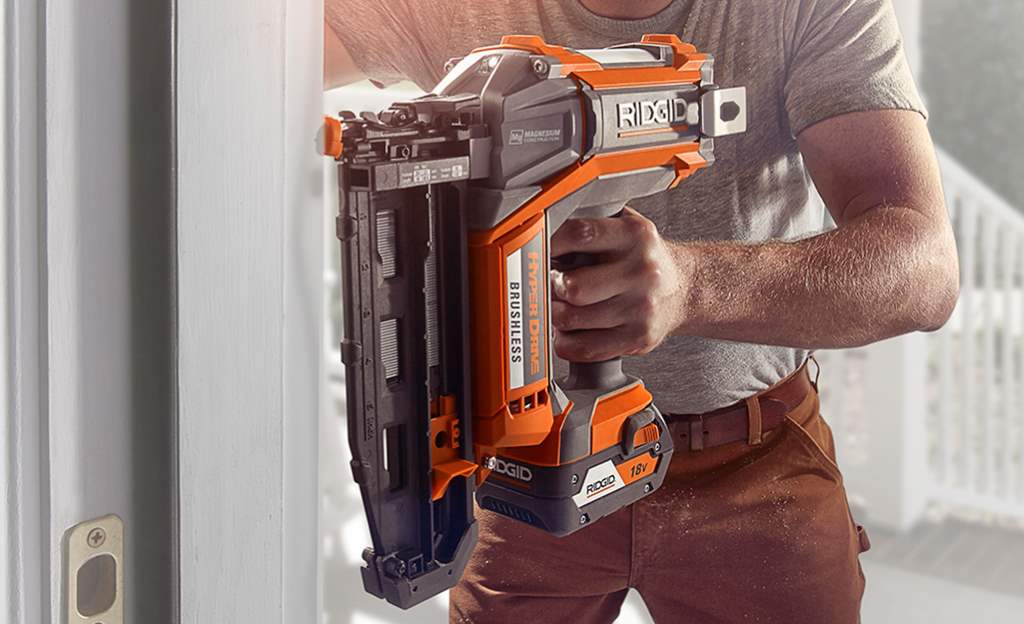
Before purchasing a nail gun, evaluate these factors:
- Power Source: Decide between pneumatic, electric, or gas based on portability and power needs.
- Nail Size and Type: Ensure the nailer supports the gauge and length of nails your project requires.
- Magazine Capacity: A larger magazine holds more nails, reducing reload frequency.
- Depth Adjustment: Allows control over how deep nails are driven, preventing material damage.
- Weight and Ergonomics: Lighter, well-balanced tools reduce fatigue during extended use.
- Safety Features: Look for trigger locks, anti-dry fire mechanisms, and tip guards.
Safety Tips for Using Nail Guns
Nail guns are powerful but can cause serious injury if mishandled. Follow these safety tips to protect yourself and others:
- Wear Protective Gear
- Use safety glasses to shield eyes from flying debris.
- Wear ear protection, especially with pneumatic nailers, to reduce noise exposure.
- Gloves and steel-toed boots prevent hand and foot injuries.
- Read the Manual
- Familiarize yourself with the tool’s operation, maintenance, and safety features before use.
- Follow manufacturer guidelines for nail size and loading.
- Keep Fingers Away from the Trigger
- Use a sequential trigger mode to prevent accidental firing.
- Never bypass safety mechanisms or carry the tool with the trigger pressed.
- Point the Nail Gun Safely
- Never aim the nailer at yourself or others.
- Keep the muzzle pointed away from your body, even when not in use.
- Disconnect Power When Not in Use
- Unplug electric nailers, remove batteries, or disconnect air hoses during breaks or maintenance.
- This prevents accidental discharges during cleaning or adjustments.
- Check Your Work Area
- Clear the workspace of clutter, debris, and bystanders.
- Ensure the material is secure to avoid slips or misfires.
- Maintain the Tool
- Regularly clean and inspect the nail gun for wear, jams, or damage.
- Lubricate pneumatic nailers as recommended to ensure smooth operation.
- Store Safely
- Store nail guns in a locked case or cabinet, out of reach of children.
- Remove nails and power sources before storage.
Benefits of Using Nail Guns
- Speed: Drives nails faster than manual hammering, boosting productivity.
- Precision: Ensures consistent nail placement and depth.
- Reduced Fatigue: Minimizes physical strain compared to hand tools.
- Versatility: Handles tasks from framing to finishing with the right model.
Common Mistakes to Avoid
- Using the Wrong Nail Gun: A brad nailer won’t handle framing tasks, and a framing nailer is overkill for trim.
- Ignoring Safety Gear: Skipping goggles or gloves risks serious injury.
- Poor Maintenance: Failing to clean or lubricate can cause jams or malfunctions.
- Incorrect Nail Size: Using nails too long or too short can damage materials or weaken joints.
Conclusion
Nail guns are game-changers for construction, woodworking, and DIY projects, offering speed, precision, and versatility. By understanding the types—pneumatic, cordless, gas-powered, brad, finish, framing, roofing, and pin nailers—you can choose the right tool for your task. Whether you’re framing a house, installing trim, or roofing, pairing the correct nailer with proper safety practices ensures efficiency and security. Always prioritize protective gear, follow manufacturer guidelines, and maintain your tool for optimal performance. Ready to tackle your next project? Select the perfect nail gun and nail it with confidence!
Key Takeaways
- Match the nail gun type to your project: framing for construction, brad for trim, etc.
- Prioritize safety with gear, proper handling, and a clear workspace.
- Consider power source, nail size, and features when buying a nail gun.