

When you see markings divided into 32 equal parts on a ruler, those are known as 32nds of an inch. Each tiny line represents 1/32 of an inch, which allows for very precise measurements. This level of accuracy is often needed in woodworking, metalworking, and other trades where even small differences can affect the outcome.
Why is converting inches to 32nds important?
Learning how to break down inches to 32nds makes it easier to read measurements without confusion. For instance, instead of estimating fractions like 5/16 or 7/32, you can directly count the lines on your ruler. This method is especially helpful for beginners who may find fractional conversions challenging at first.
How do you read 32nds on a standard ruler?
To read 32nds, start by identifying the inch mark. Between each inch, you’ll find 32 smaller divisions. Counting from zero, each mark goes up by 1/32. For example:
- 1/32 = the first small mark after zero
- 2/32 (or 1/16) = the second mark
- 16/32 (or 1/2) = the midpoint between the inch marks
- 32/32 = the next full inch
With practice, your eyes will quickly recognize common fractions without needing to count every line.
What tools can help beginners with 32nds?
Beginners often struggle with visualizing such small increments. Using a clear ruler with bold markings is one solution. Additionally, digital calipers can convert fractions into decimals instantly, making comparisons easier. For more resources on accurate measuring tools, you can explore Best USA Tools, where guides and product reviews help users choose the right equipment.
How does measuring in 32nds compare with decimals?
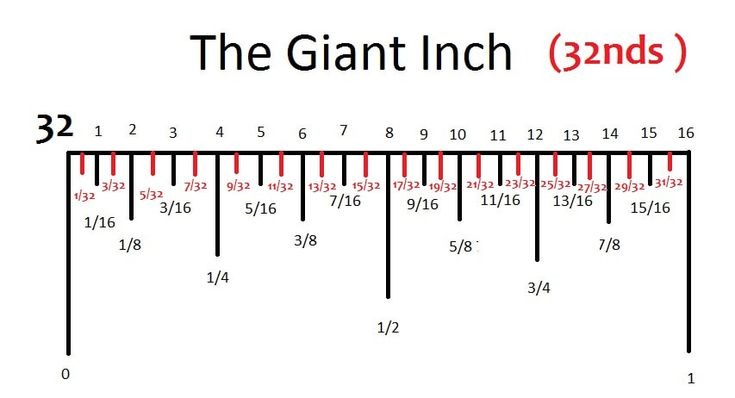
Another way to understand 32nds is to translate them into decimals. For example, 1/32 equals 0.03125 inches. This approach is useful when working with technical plans or machinery that require decimal measurements. Additionally, many online calculators and conversion charts provide quick references for fraction-to-decimal conversions (Engineering Toolbox offers one such resource).
What are practical examples of using 32nds?
In real-world projects, precision matters. Here are a few cases where 32nds come into play:
- Woodworking: Ensuring joints fit snugly without gaps.
- Metalworking: Cutting sheet metal to exact specifications.
- DIY projects: Measuring fabric, glass, or flooring for custom fits.
Even small inaccuracies can add up, so understanding how to read these measurements directly affects quality.
What are some common mistakes beginners make?
Several mistakes often occur when first learning to read 32nds:
- Confusing 32nds with 16ths or 8ths due to similar line spacing.
- Not aligning the ruler properly with the object.
- Forgetting to check whether the ruler is in inches or centimeters.
Therefore, double-checking your alignment and unit system before marking or cutting can save time and materials.
Conclusion
Understanding 32nds on a ruler gives you the power to measure with greater accuracy. Whether you’re building furniture, installing fixtures, or handling delicate projects, this knowledge ensures precision and confidence. Once you master counting these small lines, you’ll no longer feel overwhelmed by fractions. Take time to practice, and remember that the more you use this system, the easier it becomes.
Read More Also: Gift Cards for Home Repair or Handyman Services
FAQ
What is the smallest measurement on a standard ruler?
On most rulers, the smallest marking is 1/32 of an inch, though some specialty rulers may show 1/64 divisions.
How do I quickly convert 32nds into decimals?
You can divide the numerator by 32. For example, 5/32 equals 0.15625 inches. Many conversion charts and calculators can do this instantly.
Why not just use metric measurements instead?
Metric measurements are simpler since they use decimals, but in the United States, many industries still rely on fractions of an inch.
Is using 32nds only for professionals?
No, anyone who wants precision—whether in crafts, home projects, or hobbies—can benefit from learning to read 32nds.
What happens if I misread a 32nd mark?
Even a small error like 1/32 of an inch can affect the fit or finish of a project. Always double-check before cutting or drilling.
Where can I find rulers marked in 32nds?
Most hardware stores, craft shops, and online retailers carry rulers with 32nd-inch markings.
How does this help with tool settings?
When adjusting saw blades or drill bits, knowing exact measurements in 32nds ensures accuracy and prevents costly mistakes.


