

In today’s fast-changing economy, investors are turning to tangible assets that hold long-term value. Among these, antique jewellery investment stands out as a blend of art, history, and financial security. Unlike modern accessories that depreciate quickly, antique pieces often appreciate over time, becoming both emotional and financial treasures.
Antique jewellery isn’t just beautiful—it’s a store of cultural and historical wealth. Every brooch, ring, or pendant tells a story of craftsmanship and era. As global markets grow uncertain, investing in these rare items offers both emotional satisfaction and financial resilience. If you’ve ever wondered why invest in antique jewellery, the reasons are rooted in heritage, exclusivity, and consistent appreciation.
1. Why Does Antique Jewellery Appreciate in Value Over Time?
Unlike mass-produced modern pieces, antique jewellery items are finite. Their rarity enhances their value over the years. As demand grows among collectors and investors, prices steadily increase. This appreciation makes antique jewellery not just an aesthetic purchase but also a strategic financial decision.
Historical craftsmanship, precious gems, and meticulous detailing add layers of worth. The uniqueness of each piece means it cannot be duplicated, securing its position as a collectible asset with long-term capital growth potential.
- Limited supply: Genuine antiques are not being reproduced, increasing scarcity.
- Historical interest: Pieces from specific eras (Victorian, Georgian, or Edwardian) draw strong collector appeal.
- Material value: Many antique items feature high-grade gold, platinum, and natural gemstones.
In essence, antique jewellery investment merges rarity with permanence. It’s a smart hedge against inflation and market volatility.
2. How Does Antique Jewellery Offer Portfolio Diversification?
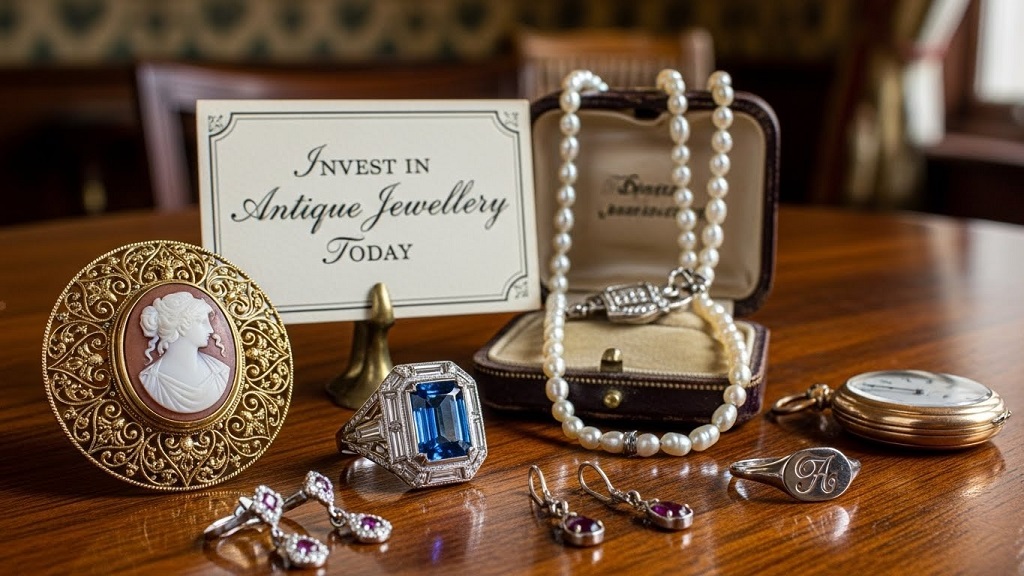
Investors are increasingly seeking alternatives beyond traditional stocks and real estate. Antique jewellery provides a tangible asset class that moves independently of market trends. This trait makes it a perfect diversification tool within an investment portfolio.
Where stocks are affected by inflation or economic downturns, tangible assets like antique jewellery remain stable. Their worth is tied to material quality, historical importance, and collector desirability—not corporate earnings or interest rates.
- Counter-cyclical protection: Antique assets maintain value even when markets dip.
- Portable wealth: Unlike real estate, jewellery is easy to transport, store, and liquidate globally.
- Emotional return: You can wear and enjoy your investment daily, a luxury not possible with most assets.
This combination of financial and lifestyle benefits makes antique jewellery one of the most resilient alternative investments available today.
3. Why Is Authentic Craftsmanship So Important?
When examining why invest in antique jewellery, craftsmanship is at the heart of its lasting value. Each piece was created by artisans using techniques no longer replicated today. Handcrafted engravings, detailed stone settings, and artisanal designs deliver both aesthetic and monetary premiums.
In contemporary jewellery, machine production dominates. Antique pieces, however, bear the fingerprints of history—literally and figuratively. Their imperfections make them unique, adding character and exclusivity.
- Historical techniques: Filigree, repoussé, and hand-enameling show extinct art forms.
- Durability: Older jewellery was made with solid metals and natural gems for longevity.
- Collector value: Authentic handmade items consistently outperform mass-market jewellery in resale auctions.
In other words, investing in antique jewellery means investing in irreplaceable human skill, history, and artistry that modern manufacturing can’t replicate.
4. How Does Provenance Increase the Value of Antique Jewellery?
The term “provenance” refers to the documented history of an item—its origin, ownership, and story. For antique jewellery investors, provenance is more than paperwork; it’s a critical value driver. A verified piece with royal or celebrity ownership can multiply in worth overnight.
Collectors are drawn to stories as much as gems. For example, a necklace once worn by an aristocrat or actress comes with built-in prestige. Auction houses like Sotheby’s and Christie’s often see significant bidding wars over pieces with verified provenance.
- Authentication adds trust: Certificates and provenance boost credibility and price.
- Rarity improves allure: Historical ownership makes pieces one of a kind.
- Increased desirability: Storytelling influences emotional buyers and collectors.
When building your antique jewellery investment portfolio, prioritizing provenance helps ensure you’re not only buying beauty but also legacy.
5. Why Is Now the Right Time to Invest in Antique Jewellery?
Global market uncertainty and inflation have renewed interest in tangible luxury assets. Antique jewellery, especially from recognizable design houses or historic periods, has seen consistent upward trends in both demand and price. As generational wealth shifts toward millennials and Gen Z, more people view such pieces as both fashion statements and wealth protectors.
Online auction platforms, jewellery fairs, and digitized authentication tools have also made the market more transparent and accessible. Today’s buyer can research, buy, and appraise with confidence from anywhere in the world.
- Strong historical performance: Antique jewellery values have increased by 5–10% annually in major markets.
- Resilient during downturns: Rare collectibles outperform most asset classes during recessions.
- Aesthetic value: Your investment doubles as wearable art and generational heirloom.
If you’re wondering when to begin your antique jewellery investment journey, the answer is today. Early entry ensures better pricing and access to rare pieces before demand surges further.
What Should You Consider Before Investing?
Before diving into the antique jewellery market, due diligence is crucial. Start by understanding hallmark stamps, metal purity, gemstone grading, and reputable sources. Engage certified appraisers and insist on purchasing from dealers with recognized affiliations such as LAPADA or NAJ.
Here are practical tips:
- Research periods and makers to identify valuable designs.
- Authenticate all items with professional certification.
- Prioritize quality over quantity—focus on timeless, unique pieces.
- Insure your collection to protect long-term value.
Taking these steps ensures that your investment is not only beautiful but also financially sound and secure.
Conclusion: Where Passion Meets Profit
Antique jewellery investment is more than a financial decision—it’s a statement of taste, legacy, and emotional connection. With time-tested appreciation potential, exceptional craftsmanship, and proven resilience against inflation, these treasures offer unmatched returns. Whether you’re a collector, investor, or first-time buyer, antique jewellery can serve as both a protective asset and a source of joy.
Call to Action: Begin your journey today—explore antique auctions, consult heritage jewellers, or add your first timeless piece to your collection. The earlier you start, the more value your collection will gather over generations.
Frequently Asked Questions (FAQs)
Is antique jewellery a good investment?
Yes. Antique jewellery is a solid investment because it appreciates over time, is limited in supply, and serves as both a wearable asset and hedge against inflation.
How can I verify if my antique jewellery is authentic?
Always buy from reputable dealers and request authentication certificates. Look for hallmarks, craftsmanship details, and appraisals by certified gemologists.
Does antique jewellery lose value?
Properly maintained antique jewellery rarely loses value. Its rarity and historical significance typically enhance appreciation over the years.
Where can I buy antique jewellery for investment?
You can source it from trusted antique dealers, certified auction platforms, or heritage jewellers specializing in specific eras like Victorian or Edwardian.
What makes antique jewellery different from vintage pieces?
Antique jewellery is generally over 100 years old, while vintage pieces are typically 20–100 years old. Antiques command higher value due to age and rarity.
Can I wear my antique jewellery or should I store it?
You can wear antique jewellery occasionally, but handle it with care. Store pieces in climate-controlled boxes and avoid exposure to harsh chemicals or sunlight.
What are the most valuable types of antique jewellery?
Pieces with historical provenance, precious metals (like platinum or 18k gold), and natural gemstones hold the highest investment value.
Related Topics: Risks of Skill Decay from AI-Assisted Homework Tools
Related Topics: Apple Evolution Timeline in Human Storytelling


