

Fish tape, also known as a draw wire or draw tape, is an indispensable tool for electricians, DIY enthusiasts, and anyone working on wiring projects. Its primary purpose is to thread wires through walls, conduits, or other inaccessible spaces. While it may seem intimidating at first, using fish tape is a straightforward process that can be mastered with the right knowledge and technique. This guide will walk you through everything you need to know about fish tape, from understanding its different types to mastering various techniques for pulling wires. The content is provided by Best USA Tools.
Understanding Fish Tape
Fish tape, typically a long, flat metal or fiberglass ribbon housed in a reel, comes in various lengths and widths, each suited for different applications. Metal fish tapes, more durable and better for pushing through obstacles, are often preferred for projects requiring robustness, while fiberglass tapes, non-conductive and safer for electrical environments, offer their own advantages. The choice between them depends on the specific requirements of your project, ensuring you select the right fish tape for pulling wire.
Choosing the Right Fish Tape
Selecting the appropriate fish tape is crucial for the success of your wiring project. Consider the following factors:
- Length: Determine the approximate distance you need to cover. Choose a fish tape that is slightly longer than the intended path to allow for some maneuvering.
- Material: If you’re working with electrical wires, prioritize fiberglass fish tape for safety. For other applications, metal fish tape might be a better choice.
- Width: Wider fish tapes are generally more robust and can push through denser obstacles, while narrower tapes are more flexible and better for navigating tight bends.
Basic Techniques for Pulling Wires
- Preparation: Before starting, turn off the power to the circuit you’ll be working on. Clear the path for the fish tape by removing any obstructions or debris.
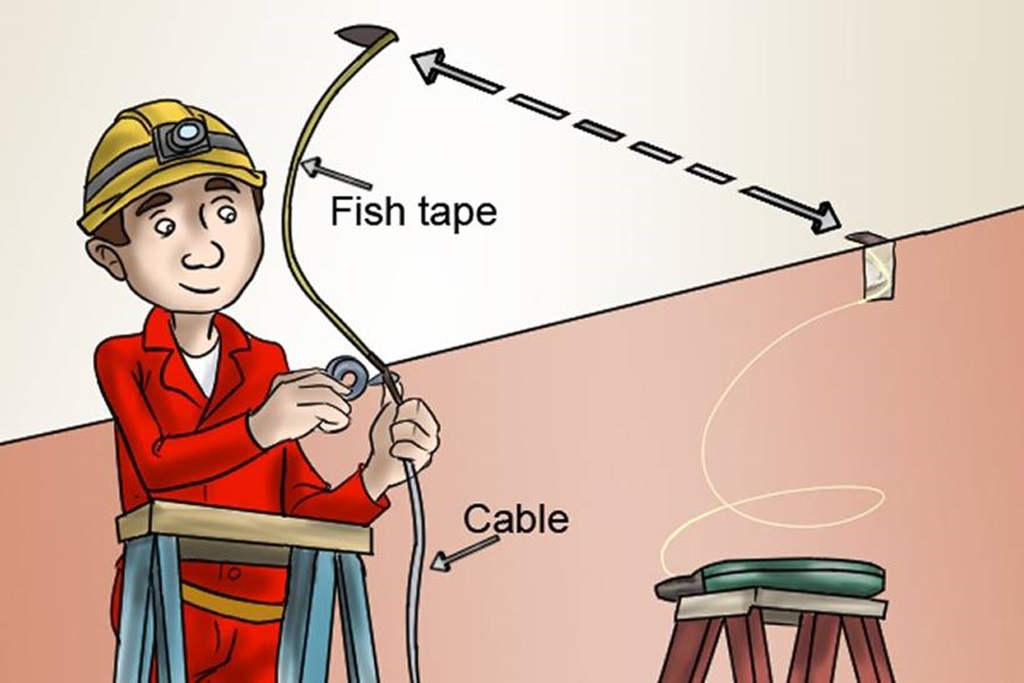
- Feeding the Tape: Insert the end of the fish tape into the opening where you want the wire to emerge. Gently push and twist the tape until it reaches the other end.
- Attaching the Wire: Securely fasten the wire to the hook or loop at the end of the fish tape. Use electrical tape to ensure a snug fit and prevent the wire from detaching during the pull.
- Pulling the Wire: Slowly and steadily pull the fish tape back through the path, guiding the wire along with it. Avoid jerking or excessive force, as this could damage the wire or the fish tape.
- Disconnecting the Wire: Once the wire has been pulled through, carefully disconnect it from the fish tape and ensure it’s properly connected to its intended destination.
Related: Do You Need a Wire Clamp?
Advanced Techniques
- Lubrication: Applying a lubricant to the fish tape can help it slide through obstacles more easily, especially in tight spaces.
- Helper: For longer runs or difficult paths, having a helper at the other end can make the pulling process smoother.
- Multiple Tapes: In some cases, you may need to use multiple fish tapes to navigate complex pathways or pull heavier wires.
Safety Precautions
- Electrical Safety: Always work with the power turned off and use non-conductive fiberglass fish tape when dealing with electrical wires.
- Sharp Edges: Be cautious of sharp edges on the fish tape or the surrounding environment, as they can cause injuries or damage the wire.
- Proper Technique: Avoid excessive force or jerking motions to prevent damage to the fish tape or the wire.
Beyond the Basics
Fish tape isn’t just for pulling wires. It can also be used for various other tasks, such as:
- Running cables: Network cables, coaxial cables, and other types of cables can be easily threaded through walls or conduits using fish tape.
- Fishing objects: If you’ve dropped a small object behind a wall or appliance, fish tape can help you retrieve it.
- Clearing blockages: In some cases, fish tape can be used to dislodge minor blockages in pipes or ducts.
Conclusion
Mastering the use of fish tape is a valuable skill for anyone involved in wiring projects or home improvement tasks. By understanding the different types of fish tape, choosing the right one for your needs, and practicing the various techniques. You can confidently tackle a wide range of projects and achieve successful results. Remember to prioritize safety and use the appropriate tools and techniques for the specific task at hand. With practice and experience, you’ll find that fish tape is a versatile and indispensable tool in your arsenal.