When shopping for a vacuum cleaner, one key question dominates: Bagged vs. Bagless: Which Type of Vacuum Is Right for You? It’s not just a matter of personal preference—it affects cleanliness, cost, convenience, and even your health. With modern models offering both options packed with features, the decision can feel overwhelming. This guide will cut through the noise and provide a clear, detailed breakdown of both vacuum types.
What Is a Bagged Vacuum?
Bagged vacuums use a disposable bag to collect dirt, dust, and debris. Once full, the bag is removed and replaced. These models have long been the standard, with brands like Miele and Hoover refining them over decades.
Pros of Bagged Vacuums
- Better for Allergies: Bagged vacuums are often recommended for allergy sufferers. According to the American Lung Association, they trap dust and allergens more effectively than bagless alternatives.
- Hygienic Disposal: With a sealed bag, users avoid direct contact with debris. This reduces airborne allergens during disposal.
- Consistent Performance: The filter is built into the bag, so suction power stays steady until the bag is nearly full.
Cons of Bagged Vacuums
- Recurring Costs: Bags must be purchased regularly. On average, households spend $30–$60 annually on replacement bags.
- Inconvenience: When the bag is full, the vacuum stops working until replaced.
- Limited Availability: Some models require specific bags that may not be readily available in stores.
What Is a Bagless Vacuum?
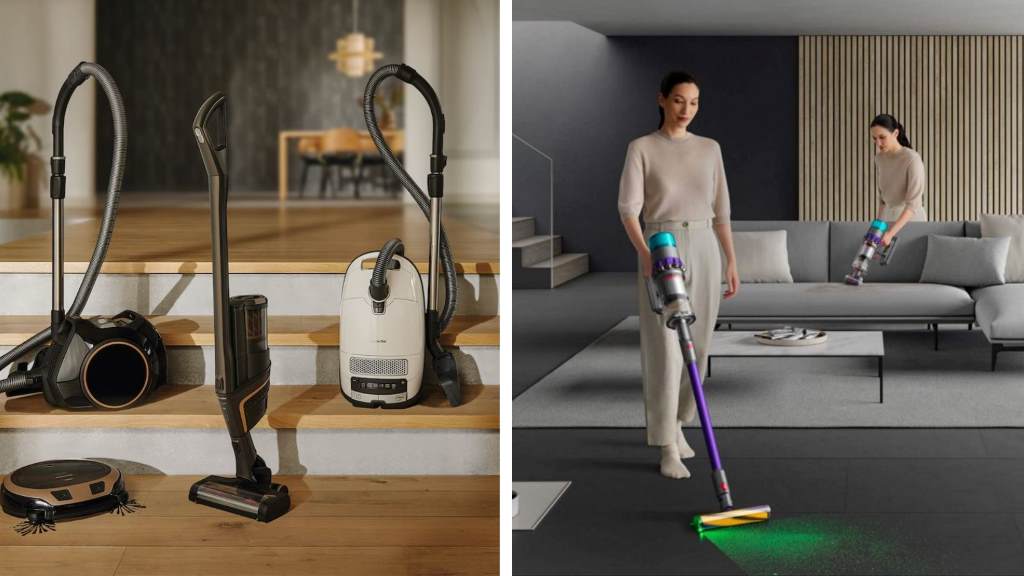
Bagless vacuums use a plastic canister to hold collected dirt, which is emptied manually. Dyson revolutionized this format, promoting it as more eco-friendly and cost-effective. Discover Shark Vacuum Brush Not Spinning Easy Guideline.
Pros of Bagless Vacuums
- Cost-Effective: There’s no need to buy bags. This makes them more economical over time.
- Eco-Friendly: No disposable bags mean less waste—an appealing choice for environmentally conscious consumers.
- Easier to Know When It’s Full: Clear canisters allow you to see dirt levels and empty before performance drops.
Cons of Bagless Vacuums
- Messy to Empty: Dust clouds during disposal are common. This makes them less ideal for allergy sufferers.
- Filter Maintenance: Most require frequent cleaning or replacement of filters to maintain suction.
- Wear and Tear: The canister and seals may degrade over time, reducing efficiency.
Performance and Suction Power
Suction power is a non-negotiable. A vacuum should effectively pull dirt from carpets, floors, and upholstery. Bagged vacuums typically maintain suction longer because the design supports better airflow as the bag fills. In contrast, some bagless models lose suction unless filters are cleaned regularly.
Consumer Reports states that 75% of top-performing vacuums in recent tests were bagged. However, high-end bagless options like Dyson and Shark have improved significantly, offering advanced cyclonic technology to maintain performance.
Maintenance and Ease of Use
When asking Bagged vs. Bagless: Which Type of Vacuum Is Right for You? consider long-term maintenance. Bagged vacuums are low-maintenance apart from replacing bags. However, locating the correct bag can be a hassle.
Bagless models require frequent emptying and filter cleaning, which can be inconvenient. According to a Wirecutter comparison, many users abandon regular filter cleaning, which leads to performance decline over time.
Environmental Impact
Bagless vacuums are often marketed as the greener choice. No bags mean less landfill waste. But this doesn’t tell the whole story. Many bagless models require frequent filter replacements, which also contribute to waste. Meanwhile, some modern bagged vacuums use biodegradable or recyclable bags.
An honest assessment reveals it’s not just bag vs. no bag. It’s about how you maintain the vacuum. The most eco-friendly vacuum is one that’s well cared for and long-lasting.
Cost Comparison Over Time
Upfront costs vary widely. Budget bagless models start around $60, while high-end models can exceed $500. Bagged vacuums often fall in a similar range. However, long-term costs differ.
- Bagged models: Average $40/year in bags.
- Bagless models: Filter replacements and potential repairs can cost $20–$50 annually.
Over a 5-year span, costs tend to even out. The deciding factor is user preference and willingness to perform regular maintenance.
Health Considerations
People with asthma or dust sensitivities should lean toward bagged vacuums. A Mayo Clinic report highlights the importance of dust containment in managing respiratory conditions. Bagged models excel here by sealing in particles.
Bagless vacuums can release particles back into the air during emptying. Some newer models include HEPA filters, which help trap fine dust. Still, exposure during disposal remains a concern.
Which Vacuum Fits Your Lifestyle?
Let’s break it down by user type:
- Pet Owners: Bagless vacuums allow frequent cleaning without buying bags. However, emptying fur-filled bins can be messy.
- Families with Allergies: Bagged vacuums, especially those with HEPA filters, are a safer bet.
- Urban Apartment Dwellers: Bagless options take up less storage and cost less over time.
- Busy Professionals: Bagged vacuums need less frequent maintenance, ideal for those short on time.
FAQs
1. Do bagged vacuums really clean better than bagless ones?
Yes, particularly in retaining allergens. Bagged models often include better seals and filtration.
2. Are bagless vacuums harder to clean?
They require more frequent emptying and filter maintenance, which can be messy.
3. Can I use a bagless vacuum if I have allergies?
It’s possible, but choose one with a sealed system and true HEPA filter.
4. Which vacuum lasts longer—bagged or bagless?
Bagged vacuums generally last longer due to simpler mechanics and less frequent exposure to debris.
5. Are bagged vacuums better for carpets?
Yes. They often have stronger, more consistent suction for deep cleaning thick carpets.
6. Do bagless vacuums really save money?
They save on bags but may require more frequent filter replacements, balancing out the cost.
7. What’s the most hygienic vacuum type?
Bagged vacuums, as you never touch the dirt and dust directly during disposal.
Final Thought
So, Bagged vs. Bagless: Which Type of Vacuum Is Right for You? The answer depends on your lifestyle, health needs, and maintenance habits. Bagged vacuums shine in performance, hygiene, and allergen control. Bagless vacuums offer convenience and lower ongoing costs but require more attention to cleanliness.
Ultimately, there’s no one-size-fits-all answer. For homes with allergy concerns or pets, bagged vacuums like the Miele Complete C3 may be the superior choice. Meanwhile, tech-savvy households wanting ease and eco-friendliness may prefer a Dyson bagless model.
The best vacuum is the one you’ll use consistently and maintain properly. Consider what matters most—cost, convenience, health—and the decision becomes clearer.
Now that you know the facts, you’re better equipped to make the right call for your home and health.