

Outdoor adventures with dogs have become more popular than ever this year. Recent pet travel surveys show that more than 60% of dog owners now include their pets in hiking and camping trips regularly. However, many owners still overlook important hiking gear that improves safety and comfort for both humans and dogs. The right accessories can prevent injuries, dehydration, overheating, and unexpected emergencies on the trail. Moreover, modern hiking gear for dogs has become lighter, smarter, and more durable than older products. This guide covers the most useful dog hiking accessories every outdoor owner should consider before their next adventure.
Why Proper Dog Hiking Gear Matters
Many dog owners assume a leash and water bowl are enough for outdoor adventures. However, hiking trails often expose dogs to rough terrain, extreme weather, insects, and dehydration risks. Proper accessories help reduce stress while improving control and visibility during hikes. In addition, quality gear protects your dog’s joints and paws over long distances. Smart preparation also makes hiking more enjoyable for both the owner and the pet.
Reliable walking gear always forms the foundation of safe outdoor travel. Many hikers start by upgrading to a durable leash system that can handle rough trails and sudden pulling. If you want better trail control without overspending, this guide on durable budget-friendly dog leashes explains what features actually matter for hiking conditions.
Another overlooked benefit of hiking accessories involves reducing mental fatigue in dogs. Some dogs become anxious in crowded parks or unfamiliar environments during long hikes. Secure harnesses, hydration systems, and cooling products help dogs stay calm and comfortable throughout the journey. Consequently, dogs behave better and maintain more energy during outdoor activities. Proper gear also reduces recovery time after long adventures.
1. Hands-Free Hiking Leash
A hands-free hiking leash gives owners better mobility and balance on uneven terrain. Unlike standard leashes, these systems attach around the waist while absorbing sudden pulling force. This setup allows hikers to use trekking poles or climb safely without constantly holding a leash. Additionally, shock-absorbing designs reduce arm strain during long walks. Many experienced hikers now consider this accessory essential.
Strong leash materials matter more than many owners realize. Cheap clips and weak stitching often fail during sudden lunges or encounters with wildlife. Therefore, choose climbing-grade carabiners and weather-resistant nylon for durability. Adjustable leash lengths also improve control on narrow or crowded trails. Reflective stitching provides extra visibility during early morning hikes.
Some advanced hiking leashes even include storage pockets for waste bags or keys. Others feature bungee sections that reduce stress on both the dog and the owner’s body. Surprisingly, proper leash tension can also prevent joint strain in active dogs over time. This small detail rarely appears in typical hiking gear guides. Yet it makes a major difference during long-distance hikes.
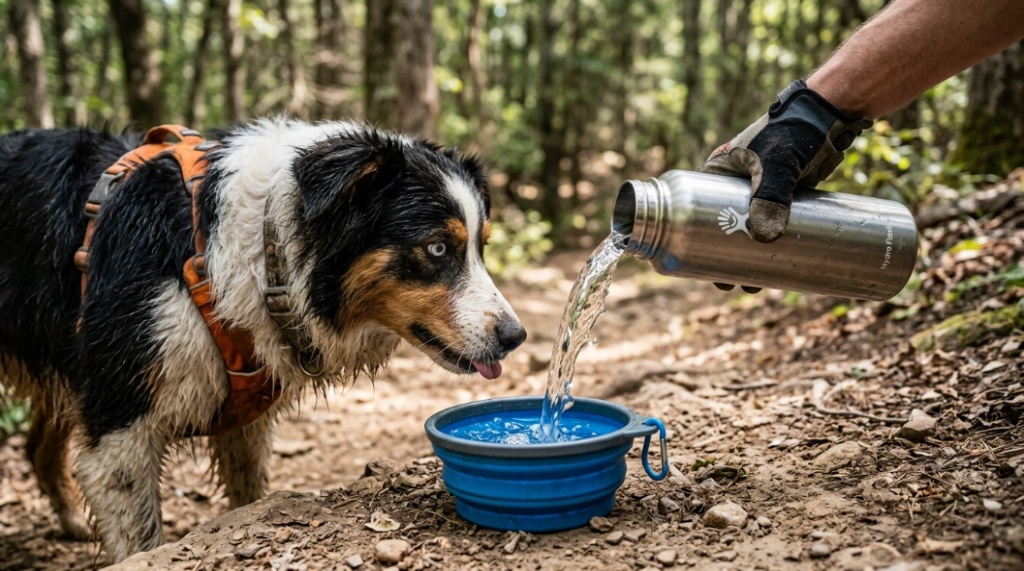
2. Portable Dog Water Bottle
Hydration remains one of the biggest concerns during outdoor activities with dogs. Dogs can overheat quickly because they regulate body temperature differently than humans. A portable dog water bottle makes hydration simple without carrying separate bowls. Modern designs allow owners to squeeze water directly into attached drinking trays. Consequently, dogs can drink quickly during short trail breaks.
Lightweight water bottles work best for long hikes and mountain trails. Large bulky containers often become uncomfortable after several miles of walking. Therefore, many hikers prefer leak-proof squeeze bottles with locking lids. Insulated models also help keep water cooler during summer adventures. Cooler water encourages dogs to drink more frequently.
One uncommon but important point involves water contamination on trails. Streams and lakes may contain harmful bacteria or parasites that affect dogs. Portable water systems help owners avoid risky natural water sources entirely. Moreover, dogs that drink dirty water often experience stomach issues after hiking trips. Clean hydration systems reduce those risks significantly.
3. Reflective Dog Harness
A reflective harness improves both safety and control during outdoor adventures. Unlike collars, harnesses distribute pressure evenly across the dog’s chest and shoulders. This reduces neck strain while improving stability during climbing or steep descents. Reflective materials also increase visibility during fog, rain, or evening hikes. As a result, drivers and cyclists can spot dogs more easily near roads or campsites.
Choosing the right harness fit is extremely important for hiking comfort. Loose harnesses may cause rubbing and painful skin irritation during long walks. Tight harnesses can restrict movement and breathing during uphill climbs. Therefore, owners should always test harness fit before extended outdoor trips. Adjustable chest straps usually provide the best long-term flexibility.
Night visibility has become especially important for hikers who camp outdoors or walk during sunrise hours. Reflective gear helps owners locate dogs quickly in low-light conditions around campsites or wooded areas. This helpful guide on choosing a reflective dog harness for nighttime safety explains the key features worth considering before buying one.
4. Dog Cooling Vest
Hot weather hikes can become dangerous for dogs much faster than most owners expect. Dogs cannot cool themselves efficiently during humid or high-temperature conditions. Cooling vests help regulate body temperature by using evaporative fabric technology. These vests reduce overheating risk during summer hikes and desert environments. Consequently, dogs stay active longer without excessive panting.
Cooling vests work especially well for thick-coated breeds and older dogs. Breeds like Huskies, Golden Retrievers, and German Shepherds struggle more in hot climates. Therefore, cooling accessories become essential during summer travel. Lightweight cooling fabrics also prevent overheating without limiting movement. Most modern designs remain comfortable even during extended hikes.
Many owners incorrectly assume shade alone prevents overheating problems. However, rocky terrain and direct sunlight can still raise body temperatures rapidly. Cooling vests create a more stable cooling effect throughout the hike. In addition, these products help reduce fatigue and improve recovery after outdoor exercise. Dogs with shorter snouts often benefit the most from cooling systems.
If you often hike during warmer months, learning how to select proper cooling gear becomes extremely valuable. This detailed guide on choosing the right dog cooling vest explains what materials and designs perform best in real outdoor conditions.
5. Protective Dog Boots
Dog boots protect paws from rough terrain, hot rocks, ice, and sharp debris. Many hiking trails contain surfaces that gradually damage paw pads during long walks. Protective boots reduce cuts, burns, and infections caused by difficult terrain. Additionally, boots improve traction on slippery rocks or muddy trails. Dogs often gain more confidence while walking on unstable surfaces.
Proper boot sizing matters because poor fit can frustrate dogs quickly. Loose boots may slip off during running or climbing sections. Tight boots can restrict circulation and cause discomfort after extended use. Therefore, owners should measure paws carefully before purchasing hiking boots. Adjustable straps usually improve long-distance performance.
Snow hiking creates unique paw protection challenges for dogs. Ice crystals and road salt often irritate paw pads during winter adventures. Surprisingly, cold-weather paw injuries can happen even during short hikes. Boots help prevent cracked pads and frost-related irritation effectively. Many experienced winter hikers never travel without them.
6. Dog Backpack for Trail Carrying
Dog backpacks allow active dogs to carry lightweight supplies during hikes. Many dogs enjoy having small responsibilities while walking alongside owners. A properly fitted backpack can carry collapsible bowls, waste bags, or snacks comfortably. However, owners should never overload dogs with excessive weight. Balanced packing helps avoid joint strain or fatigue.
Most veterinarians recommend limiting backpack weight to about 10–15% of the dog’s body weight. Smaller breeds should carry even less weight during hikes. Therefore, owners must monitor posture and movement carefully during outdoor trips. Lightweight designs with padded straps provide the best long-term comfort. Ventilated materials also reduce overheating risks.
An uncommon but useful advantage of dog backpacks involves improving focus during hikes. Working dogs often become calmer and more attentive when carrying light gear. This mental stimulation helps reduce pulling and hyperactivity on trails. Consequently, hikes become smoother and easier for owners. Many trainers use backpacks during structured outdoor exercise routines.
7. LED Safety Collar or Trail Light
LED collars and trail lights improve visibility during low-light adventures and camping trips. These accessories help owners track dogs during early morning or evening hikes. Bright LED lighting also alerts cyclists, vehicles, and other hikers nearby. Rechargeable designs now offer long battery life and waterproof protection. Therefore, they perform reliably in unpredictable weather conditions.
Trail lights attach easily to harnesses, collars, or backpacks for flexible use. Flashing modes increase visibility during foggy or rainy conditions. Moreover, LED systems help owners quickly identify dogs in wooded campsites after dark. Some advanced models even include GPS tracking compatibility. These features improve security during off-leash adventures.
Battery management remains an important detail many owners forget before hiking trips. Always recharge LED gear fully before starting outdoor activities. Carrying a small backup light also prevents unexpected visibility problems. Tiny safety upgrades like this often prevent larger outdoor accidents later. Prepared hikers rarely regret extra safety equipment.
How to Choose the Right Hiking Accessories for Your Dog
Every dog has different hiking needs based on breed, size, age, and climate conditions. Small dogs may need lightweight gear with softer padding for comfort. Large active breeds often require heavy-duty materials for durability and support. Therefore, owners should evaluate hiking environments before purchasing accessories. Climate and trail type influence gear selection heavily.
Comfort should always come before appearance when selecting outdoor equipment. Poorly designed gear can create soreness, stress, or skin irritation during hikes. Testing accessories during short walks helps identify problems early. Additionally, adjustable equipment usually adapts better to changing weather conditions. Flexible gear provides better long-term value.
Many owners overlook seasonal hiking changes while shopping for accessories. Summer trails require cooling systems and hydration tools more frequently. Winter hikes often demand paw protection and reflective safety gear instead. Consequently, smart hikers adjust equipment depending on the season and terrain. This approach improves safety and hiking enjoyment year-round.
Common Mistakes Dog Owners Make on Hiking Trips
One common mistake involves bringing dogs on difficult trails without conditioning them gradually. Dogs need endurance training just like humans before long hikes. Sudden overexertion may lead to joint injuries or dehydration problems. Therefore, owners should increase hiking distances slowly over time. Regular conditioning builds stronger trail endurance safely.
Another frequent mistake involves ignoring weather conditions before hiking trips. Hot pavement, humidity, or sudden storms can quickly create dangerous situations for dogs. Smart owners monitor weather forecasts carefully before leaving home. Additionally, emergency supplies should always remain accessible during hikes. Preparation prevents many avoidable accidents outdoors.
Some owners also fail to monitor signs of stress or overheating during hikes. Excessive panting, drooling, or slowing down often signal physical exhaustion. Immediate rest and hydration help prevent serious complications. Moreover, forcing tired dogs to continue hiking may cause long-term health issues. Responsible hiking always prioritizes the dog’s wellbeing first.
Conclusion
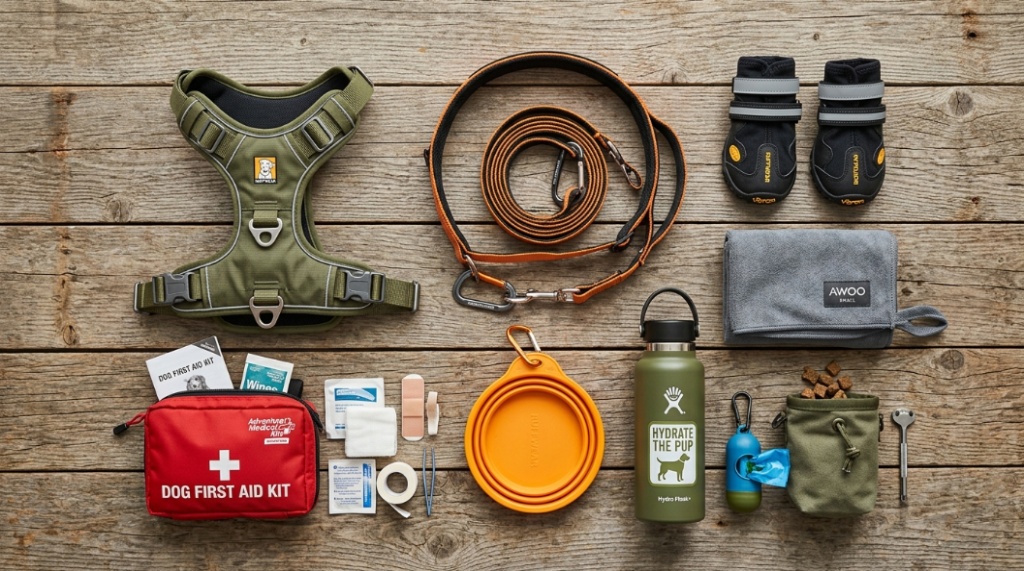
The right hiking accessories can transform outdoor adventures into safer and more enjoyable experiences for both dogs and owners. From hydration systems and cooling vests to reflective harnesses and protective boots, every item serves an important purpose on the trail. Smart preparation reduces injuries, prevents overheating, and improves overall hiking comfort throughout the year. Investing in quality gear also helps dogs stay active and confident during different outdoor conditions. Before your next adventure, consider upgrading your hiking setup with trusted equipment like a high-visibility reflective harness to improve safety and trail performance.
FAQs
What is the most important dog hiking accessory?
A portable water bottle is usually the most essential hiking accessory for dogs.
Do dogs really need hiking boots?
Yes, hiking boots help protect paws from sharp rocks, hot surfaces, and snow.
How much weight can a dog carry in a backpack?
Most dogs should carry no more than 10–15% of their body weight.
Are cooling vests safe for all dog breeds?
Yes, cooling vests are generally safe and especially useful for thick-coated breeds.
Why should dogs wear reflective gear while hiking?
Reflective gear improves visibility and helps prevent accidents in low-light conditions.


