

Reflective fabrics are invaluable for enhancing visibility and safety in low-light conditions. From sportswear to safety gear, these materials play a crucial role in protecting individuals. However, their effectiveness hinges on proper usage and care. In this article, we delve into common mistakes people make when using reflective fabrics and provide actionable solutions to ensure optimal performance and longevity.
1. Overlooking Proper Placement and Design
One of the most fundamental errors is neglecting strategic placement of reflective materials. Randomly attaching reflective strips or patches won’t guarantee visibility. For maximum impact, concentrate reflective elements on areas with the most movement, such as arms, legs, and joints.
Additionally, consider the overall design of the garment. Reflective accents should complement the garment’s aesthetics without compromising functionality. When selecting reflective accents, it’s important to understand what material is reflective and how it will integrate with the rest of the design. Aim for a balance that ensures visibility while maintaining a cohesive look.
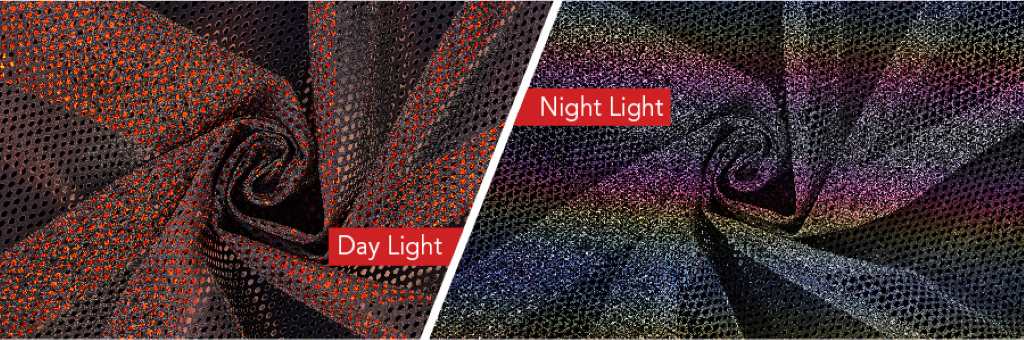
2. Choosing the Wrong Type of Reflective Fabric
Not all reflective fabrics are created equal. Different types cater to specific needs. For instance, prismatic reflective materials offer superior brightness, while glass bead reflective fabrics are known for their durability.
Carefully assess your intended use before selecting a reflective fabric. If your activities involve high-intensity movement or exposure to harsh weather conditions, prioritize durability. Conversely, if you prioritize brightness for nighttime visibility, prismatic materials might be a better fit.
3. Neglecting Maintenance and Cleaning
Reflective fabrics require proper care to maintain their effectiveness. Dirt, grime, and detergent residue can significantly diminish their reflective properties. Regularly clean reflective garments according to the manufacturer’s instructions. Avoid using harsh chemicals or bleach, as these can damage the reflective material.
Furthermore, inspect reflective elements for signs of wear and tear, as maintaining these is just as important as the attention to detail in traditional weddings. Cracked or peeling reflective strips should be replaced promptly to ensure optimal visibility and safety.
4. Ignoring Environmental Factors
Environmental conditions can impact the performance of reflective fabrics. Extreme heat or cold can affect the material’s flexibility and reflective properties. Likewise, exposure to moisture or humidity can lead to degradation over time.
When using reflective garments in challenging environments, take necessary precautions. If you anticipate exposure to harsh weather, consider layering or opting for reflective fabrics designed for those conditions.
5. Overestimating Reflective Fabric Capabilities
Reflective fabrics enhance visibility, but they don’t make you invincible. Overestimating their capabilities can lead to dangerous situations. Remember, these materials work best when combined with other safety measures, such as lights and cautionary signals.
Never rely solely on reflective fabrics for safety. Always prioritize a multi-faceted approach to ensure your well-being in low-light environments.
6. Disregarding Proper Fit and Adjustment
The fit of a garment with reflective elements is crucial. Loose or ill-fitting clothing can obstruct the reflective material’s visibility or cause it to bunch up, reducing its effectiveness.
Ensure that reflective garments fit properly and allow for a full range of motion. If necessary, use adjustable straps or fasteners to secure the garment in place.
7. Not Testing Reflectivity
Before venturing into low-light conditions, test the reflectivity of your garments. Shine a flashlight or headlamp on the reflective material from a distance. The reflected light should be bright and easily visible.
If the reflectivity appears dim or patchy, it could indicate damage or degradation of the material. Replace or repair the garment as needed to ensure your safety.
Conclusion
Reflective fabrics are a valuable tool for enhancing visibility and safety. By understanding and avoiding these common mistakes, you can maximize the effectiveness of these materials and ensure their longevity. Remember, proper placement, design, maintenance, and a realistic understanding of their capabilities are key to reaping the full benefits of reflective fabrics.
By prioritizing these factors, you can confidently navigate low-light environments, knowing that you’ve taken every precaution to protect yourself and those around you.


