

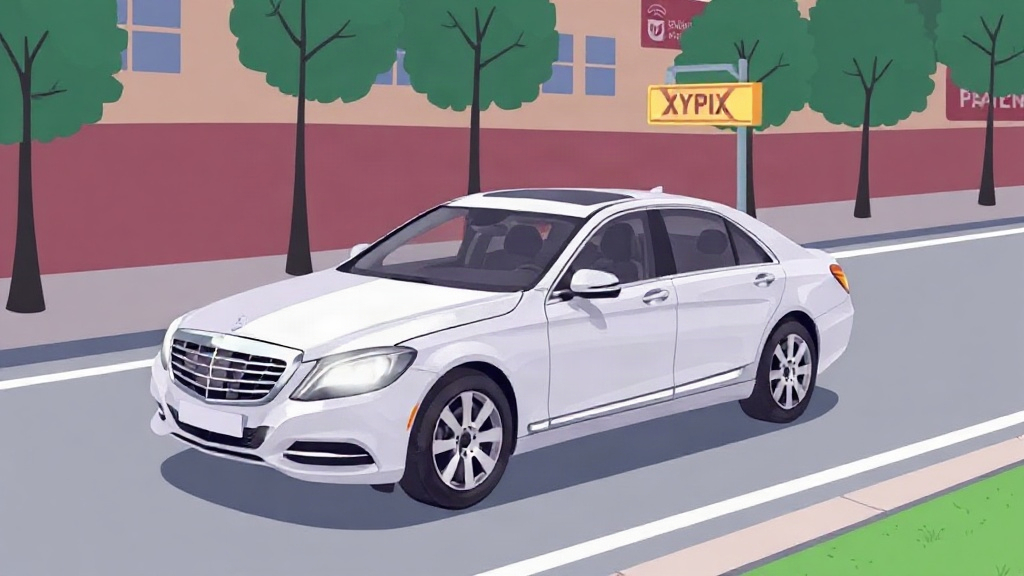
A black sedan pulls up outside a hotel, the driver in a suit opens the rear door, and a passenger pays for a pre-booked ride. That scene looks simple, yet it sits on a stack of vehicle licensing rules for chauffeur services that vary by city, state, and country. Drivers and operators often ask one question first: which licence, plate, and insurance combination lets me legally carry paying passengers? The answer depends on how your local regulator classifies your vehicle and how you book trips. Understanding that framework early saves money, avoids fines, and keeps your business running. For a broader reference on how regulators sort vehicles into categories, see //bereviewers.com/.
Quick answer: Chauffeur services usually need a commercial or for-hire vehicle licence, a specific plate or permit, commercial insurance, and a driver credential such as a hackney or chauffeur permit. The exact rules depend on your jurisdiction and on whether trips are pre-booked rather than hailed on the street.
What is vehicle licensing rules for chauffeur services?
Vehicle licensing rules for chauffeur services are the legal requirements a regulator sets before a car can carry paying passengers on a pre-booked basis. They define which vehicles qualify, how those vehicles are marked, what insurance applies, and who may drive them. The rules sit alongside driver licensing, which is a separate credential in most places.
The core idea is that a private car and a for-hire car are treated differently. A family sedan used to give a friend a lift needs only standard registration. The same car carrying a paying client for a flat airport fee usually needs a commercial classification. Regulators draw that line because passengers are vulnerable: they trust the driver, the vehicle, and the operator.
The main categories regulators use
Most jurisdictions sort for-hire vehicles into a few buckets. Names change, but the pattern is recognizable:
- Private hire or pre-booked vehicles — trips must be arranged in advance through an operator. Street hailing is not allowed.
- Taxi or hackney carriages — may pick up passengers at ranks or by hail, often with fare meters.
- Limousines and executive cars — a subcategory with specific size, age, or appearance standards in some areas.
- Chauffeur permits — a driver-level credential layered on top of a standard driver’s licence.
A vehicle used for corporate accounts, weddings, or airport transfers typically falls into the private hire bucket. Knowing which bucket applies tells you which application form, fee, and inspection schedule you face. Cities that separate these categories also enforce them: a private hire car caught picking up a street fare can lose its licence.
The same sedan can be legal or illegal depending on how the trip was booked. Regulators care about the booking model, not just the vehicle.
Why vehicle licensing rules for chauffeur services matters
Operating without the right licence is a financial and legal risk, not a paperwork nuisance. Regulators routinely fine unlicensed operators, and insurers can refuse to pay a claim if a vehicle was carrying passengers for hire outside its policy terms. One serious collision without valid cover can end a small chauffeur business.
Compliance also protects the driver. A licensed chauffeur can show a permit during a traffic stop, pass a vehicle inspection, and demonstrate insurance coverage. That evidence shortens roadside conversations and reduces the chance of a vehicle being impounded. Operators bidding for corporate contracts are usually asked to prove their licensing status before a deal is signed.
Passengers increasingly check. Hotel concierges and corporate travel managers often ask whether a car service is licensed, because their own liability depends on it. A visible plate, a permit number, and clear insurance give clients confidence that the ride is legitimate.
There is a competitive angle too. Licensed operators compete on a level field with other licensed operators. Unlicensed rivals undercut prices by skipping insurance and inspections, which distorts the market. Enforcement helps honest businesses stay viable.
Cost is real, but so is the downside of skipping it. Licensing fees, inspections, and commercial insurance add up. Compare that with a fine, a lost vehicle, or a denied claim after a crash, and the licensed path usually costs less over a year of trading.
A standard personal auto policy rarely covers paid passenger transport. Confirm in writing that your policy covers for-hire use before your first paid trip.
The rules also shape how you buy vehicles. If your city caps vehicle age at, say, five or seven years, a ten-year-old luxury sedan may be ineligible no matter how well maintained it is. Checking the age and emission standards before purchase avoids a costly mistake.
Best practices
Getting licensed is a process, and a few habits make it smoother.
Check the classification before you buy. Ask the regulator which category your intended service falls into. A pre-booked executive service and a taxi-style operation can face different vehicle standards, so confirm the fit first.
Build a compliance file. Keep copies of the vehicle licence, insurance certificate, inspection report, and driver permits in one place. Renewal dates belong in a calendar with reminders set weeks ahead.
Match insurance to use. Tell your insurer exactly what you do: pre-booked, chauffeur-driven, corporate and private clients. Ask for the coverage in writing and re-check it whenever you add a vehicle or driver.
Keep maintenance records. Inspections go faster when you can show service history. A logbook of oil changes, tyre replacements, and safety checks also supports your case if a regulator questions vehicle condition.
Train drivers on the rules. A new chauffeur should know which pickups are legal, how to display the licence, and what to do during a compliance check. A short briefing at onboarding prevents avoidable breaches.
Understand the livery question. Regulators sometimes treat signage, branding, and vehicle appearance as evidence of commercial use. Learning what counts as a livery vehicle helps you decide how to brand your fleet without triggering a reclassification.
Licence renewals can stall on missing documents. Submit a few weeks before the expiry date so your cars never sit idle.
Review rules annually. Fees, emission standards, and vehicle age limits change. A yearly review of your local regulator’s guidance catches updates before they become violations.
Common mistakes to avoid
Most licensing problems trace back to a handful of avoidable errors.
Assuming a personal policy covers everything. Standard auto insurance usually excludes paid passenger transport. Driving clients on a personal policy leaves you uninsured at the worst possible moment.
Ignoring the booking method. A private hire vehicle that accepts street hails breaks the rules in many cities, even if the driver holds a valid permit. The trip method matters as much as the paperwork.
Letting vehicle age creep past the limit. A car that qualified at purchase may fall outside the standard a few years later. Track the age cap for your category and plan replacements before the deadline.
Skipping the driver credential. A licensed vehicle with an unlicensed driver is not compliant. Chauffeur permits, background checks, and medical certificates are separate steps that take time.
Mislabelling the service. Calling a taxi-style operation a “private hire” service, or the reverse, confuses regulators and insurers alike. Describe your business accurately on every form.
Forgetting signage and plate rules. Some jurisdictions require plates to be visible at all times; others restrict certain markings. A mismatch between your vehicle’s appearance and its licence category invites scrutiny.
Treating renewal as a formality. Lapsed licences can void insurance and halt operations. A missed renewal date is one of the easiest failures to prevent and one of the most expensive to fix.
If an insurer learns a vehicle was carrying paying passengers outside policy terms, a claim may be refused entirely, leaving you personally liable.
FAQ
Do I need a special licence to drive a chauffeur car?
In most jurisdictions, yes. Beyond a standard driver’s licence, chauffeurs often need a for-hire driver permit, which may involve a background check, a medical assessment, and a knowledge test. Requirements vary, so check with your local licensing authority.
How much does vehicle licensing cost for a chauffeur service?
Costs vary widely by location and vehicle type. Expect application fees, annual licence fees, inspection charges, and higher commercial insurance premiums. The insurance difference is often the largest ongoing expense, so get quotes before committing.
Can I use a personal car for chauffeur work?
Sometimes, but only after re-registering it and insuring it for commercial use. Many jurisdictions require a for-hire plate, an inspection, and proof of commercial cover. Using an unmodified personal car for paid rides is usually a breach of both licensing and insurance rules.
How long does the licensing process take?
Timelines range from a few days to several weeks. Vehicle inspections, background checks, and insurance confirmation each add time. Start the process before you plan to take your first booking, and keep buffer room for document requests.
What happens if I operate without a licence?
Penalties can include fines, vehicle impoundment, and loss of the right to operate. Insurers may also refuse claims for unlicensed use. The financial exposure usually outweighs the cost of compliance by a wide margin.
Conclusion
Licensing for chauffeur services comes down to four pillars: the right vehicle category, valid commercial insurance, an approved driver credential, and current paperwork. Get the classification right before you buy or brand a car, keep renewal dates visible, and confirm your policy covers paid transport in writing. Rules shift with fees and emission standards, so review them once a year. Start today by checking your local regulator’s current requirements for your vehicle type and booking model, and build your compliance file before the first paid trip.


