

Power tool batteries are the backbone of modern construction, DIY projects, and industrial tasks. However, extreme temperatures can significantly affect their efficiency, lifespan, and performance. Whether you’re battling scorching summers or freezing winters, learning how to protect your batteries is crucial for productivity and cost savings. This guide dives into practical solutions, scientific insights, and actionable strategies for extending the lifespan of power tool batteries in extreme conditions. Let’s explore how to maintain optimal performance while protecting your tools. To explore more tools and tips, visit Bestusatools.
Understanding How Extreme Temperatures Affect Power Tool Batteries
Before diving into solutions, it’s vital to understand the science behind temperature-related battery degradation. Batteries, particularly lithium-ion ones, are sensitive to both heat and cold. Extreme heat accelerates chemical reactions, leading to faster wear and capacity loss. On the flip side, freezing temperatures slow down the electrochemical processes, causing reduced output and temporary power losses.
According to a 2021 study by the National Renewable Energy Laboratory, exposing lithium-ion batteries to temperatures over 95°F can reduce their lifespan by 20% in just one year. Similarly, subzero temperatures can result in up to 30% efficiency loss during use.
Why Protecting Power Tool Batteries Matters
Imagine starting your day with fully charged batteries only to find them draining faster than usual or refusing to work altogether. Not only is this frustrating, but it can also stall critical projects, increase downtime, and even result in costly replacements. Proper care for your batteries isn’t just a cost-saving measure—it’s a productivity booster and a way to reduce environmental waste. Protecting your investment ensures reliable performance, especially when working in extreme conditions.
Choose the Right Battery for the Job
Not all batteries are created equal. When working in extreme temperatures, it’s essential to select a power tool battery designed to withstand environmental challenges. Many manufacturers, like DeWalt and Milwaukee, now offer batteries with built-in thermal protection.
For example, Milwaukee’s REDLITHIUM batteries include temperature management systems to maintain performance during hot or cold conditions. Always check the manufacturer’s specifications and consider upgrading to temperature-resistant models if you frequently work in harsh environments.
Preheat or Cool Batteries Before Use
Temperature management begins before you even turn on your tools. In cold weather, batteries may benefit from preheating. Store them in a warm place (such as a heated toolbox) before use to prevent performance dips. On the other hand, in scorching heat, keeping batteries in the shade or an insulated cooler can make a significant difference.
A simple tip is to invest in a battery storage case that provides thermal insulation, ensuring your batteries remain at an optimal temperature range of 50°F to 77°F.
The Role of Chargers in Extending Battery Lifespan
Charging your batteries at the right time and under the right conditions is critical for maintaining their health. Avoid charging batteries in extremely hot or cold environments. Many smart chargers come equipped with thermal sensors that stop charging if temperatures exceed safe levels.
Moreover, ensure you’re using the charger recommended by the manufacturer. Using generic or incompatible chargers can lead to overcharging, overheating, and long-term damage.
Storage Tips for Extreme Temperature Zones
Proper storage can make or break the lifespan of your batteries.
If you live or work in a region with extreme temperatures, follow these storage tips:
- Avoid leaving batteries in vehicles: Temperatures inside cars can exceed 120°F on hot days and dip below freezing in winter.
- Use climate-controlled storage: Keeping batteries in a cool, dry, and consistent environment prevents temperature-induced wear.
- Store batteries at a partial charge: For long-term storage, charge batteries to 40-60%. This helps maintain their chemical stability.
Using Power Tools in Extreme Cold? Follow These Tips
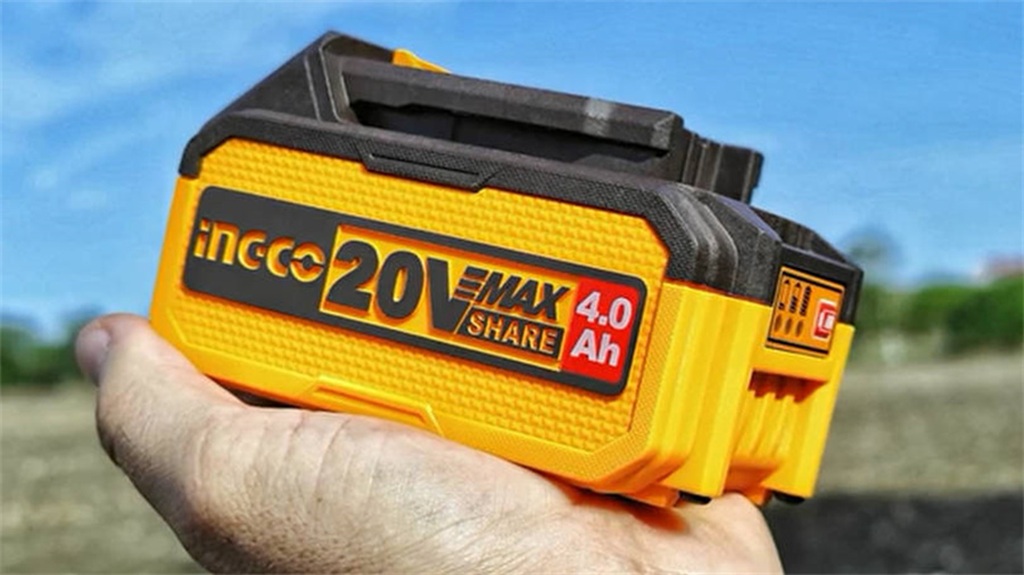
Operating power tools in freezing temperatures requires extra care. Cold temperatures reduce the flow of ions inside the battery, leading to slower performance. To combat this, allow your tools and batteries to warm up slightly before use.
One trick professionals use is to keep a second battery inside their coat pocket to keep it warm. Rotating between batteries ensures consistent power output throughout your project.
Related: Taming the Toolshed: Your Guide to Packing Garden Tools for a Move
How to Use Power Tools in Extreme Heat
Heat is one of the biggest enemies of lithium-ion batteries. In scorching temperatures, avoid running your power tools continuously for long periods, as this can lead to overheating. Allow your tools to cool down between tasks and avoid direct sunlight.
If you’re working outdoors, consider using a pop-up canopy or a similar shaded structure to protect your tools and batteries from heat exposure.
The Importance of Maintenance and Inspections
Regular maintenance goes a long way in extending the lifespan of power tool batteries. Inspect your batteries for physical damage, corrosion, or dirt buildup. Cleaning the battery terminals with a dry cloth can improve conductivity and efficiency.
Additionally, always ensure the battery’s ventilation ports (if applicable) are clean and free from debris. Clogged ports can trap heat and lead to overheating.
Using specialized tools, like different types of wood routers, with batteries emphasizes the importance of compatibility and battery life. Wood routers often require steady power for precision cuts, which can strain batteries in extreme conditions. Ensuring the battery and tool are compatible and following temperature management tips can improve both tool performance and battery longevity.
Signs of Battery Stress Due to Extreme Temperatures
Watch out for these signs indicating that your batteries are suffering from extreme temperatures:
- Rapid draining: Batteries deplete faster than usual.
- Swelling or deformation: Physical changes indicate overheating or overcharging.
- Erratic charging behavior: Batteries take longer to charge or fail to charge altogether.
If you notice any of these issues, take immediate steps to address the problem to prevent permanent damage.
Smart Investments in Battery Accessories
Accessories like battery cooling fans, thermal cases, and smart chargers can be game-changers. Brands like Makita and Bosch offer innovative solutions designed to protect batteries during extreme use. While these accessories might come at an additional cost, they can save you money in the long run by extending your battery’s lifespan.
Extending the Lifespan of Power Tool Batteries in Extreme Temperatures (FAQs)
How do extreme temperatures impact lithium-ion batteries?
Extreme heat accelerates chemical degradation, reducing battery lifespan, while extreme cold slows ion movement, causing temporary power loss.
What is the ideal temperature range for storing power tool batteries?
The ideal range is between 50°F and 77°F to maintain chemical stability and longevity.
Can I leave my batteries in the garage during winter?
It’s not recommended. Garages can get too cold, which can damage battery performance and health.
Do battery warranties cover damage caused by extreme temperatures?
Most warranties don’t cover damage caused by misuse or extreme temperature exposure. Always check the warranty terms.
Related: When to Choose a Snap-on Torque Wrench Over a Torque Screwdriver
Are smart chargers worth the investment?
Yes, smart chargers can prevent overcharging, overheating, and undercharging, significantly extending battery life.
How often should I inspect my power tool batteries?
Inspect them every few weeks, especially if you frequently work in extreme conditions.
Conclusion
Extending the lifespan of power tool batteries in extreme temperatures is all about understanding their limitations and taking proactive measures. From choosing temperature-resistant batteries to adopting smart storage and charging practices, these strategies can save you time, money, and frustration. Whether you’re a professional contractor or a DIY enthusiast, investing in proper battery care ensures your tools are ready to tackle any challenge.


